
Now Reading: Benefits of Mindfulness for Anxiety: A Natural Path to Calm and Clarity
-
01
Benefits of Mindfulness for Anxiety: A Natural Path to Calm and Clarity
Benefits of Mindfulness for Anxiety: A Natural Path to Calm and Clarity
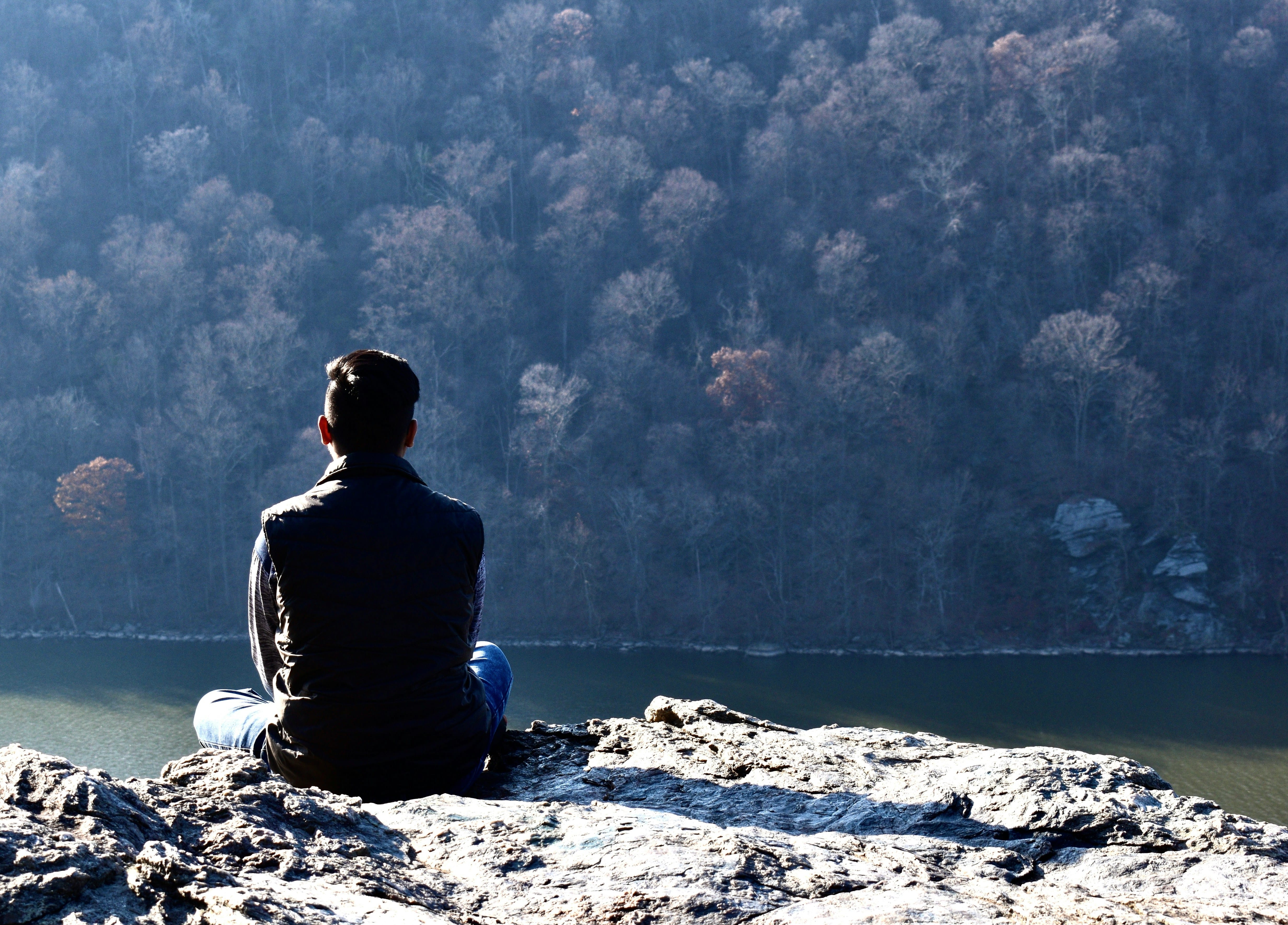
Anxiety is something many people struggle with every day. It can make your heart race, cloud your thoughts, and leave you feeling restless or overwhelmed. While therapy and medication help many, there’s also a simple, natural way to find relief—mindfulness.
In this article, we’ll explore the benefits of mindfulness for anxiety and how you can use easy, everyday practices to feel more present, calm, and emotionally balanced.
What Is Mindfulness?
Mindfulness is the practice of focusing your attention on the present moment. It means being aware of your thoughts, emotions, and surroundings without judgment. You observe what’s happening without trying to change it or react impulsively.
It might sound simple, but this practice is powerful. Mindfulness teaches you to stop, breathe, and stay grounded—especially when anxiety tries to take control.
Why Mindfulness Works for Anxiety
Anxiety often comes from worrying about the future or ruminating on the past. Mindfulness breaks this cycle by bringing your attention back to the now. When you’re fully present, you’re less likely to be swept away by fear or panic.
According to the American Psychological Association (APA), mindfulness can reduce anxiety, improve mood, and strengthen emotional regulation (APA, 2020). It does this by calming the nervous system and helping the brain create new, healthier patterns of thinking.
Key Benefits of Mindfulness for Anxiety
Let’s take a closer look at the most important benefits of mindfulness for anxiety and why these practices are so effective.
1. Reduces Racing Thoughts
One of the most common symptoms of anxiety is an overactive mind. You may feel stuck in a loop of “what if” thinking. Mindfulness teaches you to notice your thoughts without getting lost in them. Over time, this creates space between your thoughts and your reactions.
A 2014 study published in JAMA Internal Medicine found that people who practiced mindfulness meditation regularly had significantly reduced symptoms of anxiety and stress (Goyal et al., 2014).
2. Promotes Calm and Relaxation
When you practice mindfulness, your body naturally starts to relax. Deep breathing and focused attention activate the parasympathetic nervous system, which helps lower heart rate and blood pressure.
This calming effect can reduce the physical symptoms of anxiety—such as muscle tension, rapid heartbeat, or shallow breathing—and make it easier to cope during anxious moments.
3. Improves Emotional Awareness
Mindfulness helps you get better at recognizing your emotions without being overwhelmed by them. Instead of reacting quickly to fear or frustration, you learn to pause, observe, and respond with clarity.
This awareness builds emotional resilience and helps prevent anxiety from taking over your thoughts or actions.
4. Enhances Focus and Concentration
Anxious thoughts often interrupt focus. Mindfulness trains the brain to stay on task and return to the present moment when distractions arise.
In fact, a study from Harvard University found that mindfulness practice increases gray matter in brain regions tied to memory, learning, and emotion regulation (Harvard Gazette, 2011).
5. Improves Sleep Quality
Mindfulness helps calm the mind before bed, making it easier to fall asleep and stay asleep. People with anxiety often struggle to “turn off” their thoughts at night. Simple mindfulness techniques like body scans or breathing exercises can make a big difference.
Better sleep, in turn, reduces daytime anxiety and improves overall well-being.

How to Start Practicing Mindfulness
You don’t need hours of meditation or expensive tools to benefit from mindfulness. Just a few minutes a day can begin to shift how you feel and respond to anxiety.
Easy Mindfulness Practices:
1. Mindful Breathing
Sit comfortably and focus on your breath. Inhale slowly, exhale fully. When your mind wanders, gently bring it back to the breath.
2. Body Scan Meditation
Lie down and slowly move your attention from your toes to your head. Notice any sensations without judgment.
3. 5-4-3-2-1 Grounding Exercise
Identify 5 things you see, 4 you can touch, 3 you hear, 2 you smell, and 1 you taste. This brings you back to the present moment.
4. Mindful Walking
Take a slow walk, paying attention to each step, your breath, and the world around you.
Start with 5–10 minutes daily and increase as you feel comfortable.
Real-Life Experiences
Amanda, a 28-year-old graphic designer, started practicing mindfulness to manage panic attacks. “I used to feel out of control,” she says. “Now, I take a few deep breaths and remind myself I’m safe. It makes a huge difference.”
James, a college student, uses mindful walking before exams. “When I get anxious, I walk slowly and just notice what’s around me. It helps me focus and relax.”
These stories highlight the real-world benefits of mindfulness for anxiety—you don’t need to be perfect; you just need to start.
Pairing Mindfulness with Other Tools
Mindfulness works well on its own but is even more effective when paired with other support tools:
- Therapy: Cognitive Behavioral Therapy (CBT) and mindfulness complement each other well.
- Exercise: Movement helps release anxiety and supports a calm mind.
- Healthy habits: Mindful eating, sleep, and screen time can all improve emotional health.
Final Thoughts
Anxiety doesn’t have to control your life. Mindfulness offers a safe, natural, and powerful way to manage anxious thoughts and emotions. By learning to be present, you gain the tools to stay grounded, think clearly, and respond calmly—even when anxiety strikes.
The benefits of mindfulness for anxiety go beyond quick fixes. They help build long-term emotional strength, self-awareness, and peace of mind.
Start small. Breathe. Notice the now. Your journey to a calmer life begins with one mindful moment at a time.
References
- American Psychological Association (APA). “Mindfulness meditation: A research-proven way to reduce stress.” 2020. https://www.apa.org
- Goyal, M. et al. “Meditation programs for psychological stress and well-being.” JAMA Internal Medicine, 2014.
- Harvard Gazette. “Eight weeks to a better brain.” 2011. https://news.harvard.edu