

Now Reading: How Mindfulness Reduces Anxiety: A Simple Guide to Feeling Calmer Every Day
-
01
How Mindfulness Reduces Anxiety: A Simple Guide to Feeling Calmer Every Day
How Mindfulness Reduces Anxiety: A Simple Guide to Feeling Calmer Every Day
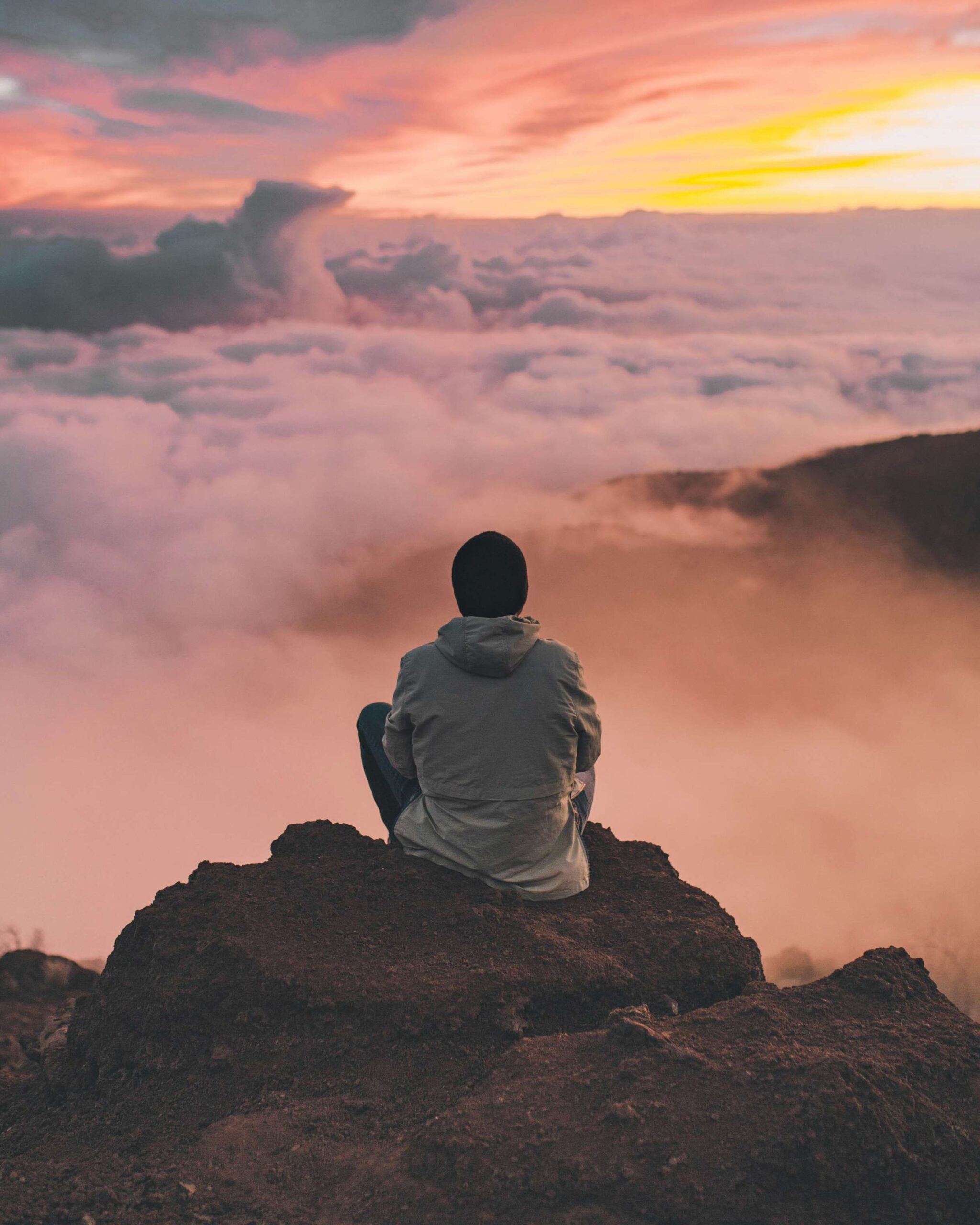
Anxiety affects millions of people around the world. In fact, more than 301 million people live with an anxiety disorder, according to the World Health Organization (2023). Whether you experience constant worry, racing thoughts, or a tight feeling in your chest, anxiety can make daily life challenging. Many people look for natural and effective ways to manage their symptoms, and one approach that continues to stand out is mindfulness. Understanding how mindfulness reduces anxiety can help you take practical steps toward a calmer and more balanced life.
Mindfulness is easy to learn, simple to practice, and backed by science. It focuses on paying attention to the present moment without judging your thoughts or emotions. When you practice mindfulness regularly, it can change the way your brain responds to stress. In this article, you will learn exactly how mindfulness reduces anxiety, why it works, and how you can start using it today.
What Is Mindfulness?
Mindfulness is the practice of being fully present in the moment. It means paying attention to what you feel, hear, see, or think without trying to change it. Instead of reacting automatically, you learn to pause, observe, and respond with clarity.
The idea may sound simple, but it trains your brain to slow down and relax. Because anxiety pulls your mind into future worries or stressful thoughts, mindfulness brings you back to what is real and safe right now.
How Mindfulness Reduces Anxiety on a Biological Level
Many studies explain how mindfulness reduces anxiety by showing what happens inside the brain. When you practice mindfulness:
1. It calms the amygdala
The amygdala controls your fight-or-flight response. During anxiety, it becomes overactive and sends signals of danger, even when nothing is wrong. A study published in Psychiatry Research: Neuroimaging (2011) found that mindfulness meditation reduces activity in the amygdala, leading to less fear and emotional reactivity.
2. It strengthens the prefrontal cortex
The prefrontal cortex helps you think clearly, solve problems, and regulate emotions. Researchers at Harvard University (2014) discovered that people who meditated for eight weeks showed increased gray matter in this part of the brain. This growth helps your brain stay focused and reduces overthinking.
3. It lowers stress hormones
Mindfulness decreases cortisol levels—the body’s stress hormone. According to a 2019 study in the Journal of Clinical Psychology, participants who practiced mindfulness for just 10–15 minutes daily experienced significant drops in cortisol. Lower cortisol means fewer physical symptoms like muscle tension, rapid heartbeat, and restlessness.
These biological changes explain how mindfulness reduces anxiety and helps your mind stay balanced even during stressful moments.

How Mindfulness Reduces Anxiety Through Thought Awareness
Many people struggle with anxiety because they feel trapped in their thoughts. Worries repeat in a loop, and the mind jumps from one fear to another. Mindfulness teaches you to observe thoughts instead of believing them.
1. It interrupts the worry cycle
Mindfulness helps you step back and notice your thoughts. Instead of reacting automatically, you see them as passing events. This distance weakens anxiety’s power.
2. It increases acceptance
Mindfulness doesn’t ask you to ignore fear. Instead, it helps you accept your feelings without judgment. Acceptance reduces inner conflict and allows you to move forward.
3. It improves emotional regulation
When you practice mindfulness, you learn to respond rather than react. This skill becomes especially valuable during anxiety, helping you stay grounded and calm.
These shifts explain another layer of how mindfulness reduces anxiety, especially in people who struggle with racing thoughts or mental restlessness.
How Mindfulness Reduces Anxiety in Your Daily Life
Beyond the science, mindfulness helps in practical ways you can feel every day.
1. It slows down your breathing
Mindfulness often includes deep breathing exercises. These activate the parasympathetic nervous system, which tells your body to relax.
2. It creates space between you and your stress
When you become more aware, you stop acting on impulses. You can decide how to respond instead of letting anxiety take over.
3. It boosts self-compassion
Many people with anxiety blame themselves for feeling “weak” or “too emotional.” Mindfulness teaches gentle self-support. A study by Kristin Neff (University of Texas, 2020) found that self-compassion reduces anxiety symptoms and improves emotional resilience.
Together, these daily benefits show how mindfulness reduces anxiety in a way that feels natural and long-lasting.
Mindfulness Techniques That Reduce Anxiety
Here are simple and effective exercises that demonstrate how mindfulness reduces anxiety in practice:
1. Mindful Breathing
Sit comfortably and focus your attention on your breath. Feel the air as it enters and leaves your body. When your mind wanders, gently bring it back.
2. Body Scan Meditation
Lie down and pay attention to each part of your body. Notice sensations without trying to change them. This helps release tension stored from anxiety.
3. Grounding Through the Five Senses
Look around and name:
- 5 things you can see
- 4 things you can touch
- 3 things you can hear
- 2 things you can smell
- 1 thing you can taste
This exercise brings you back into the present moment quickly.
4. Mindful Walking
Walk slowly and pay attention to your steps, breathing, and environment. This is a powerful way to reduce stress during the day.
5. Thought Labeling
When a worry appears, label it: “fear,” “future thought,” or “what-if.” Labeling weakens anxiety and helps your brain stay calm.
Final Thoughts: How Mindfulness Reduces Anxiety in the Long Term
Understanding how mindfulness reduces anxiety is the first step. Practicing it regularly is what creates lasting change. You don’t need hours of meditation. Even 5–10 minutes a day can make a meaningful difference.
Mindfulness teaches your brain to slow down, stay present, and respond with clarity. It lowers stress hormones, calms emotional reactions, and helps you navigate life with more peace. With time, mindfulness becomes a natural part of your routine—a gentle guide that supports you during fear, stress, or uncertainty.
If you want a simple, science-backed way to feel calmer and more grounded, mindfulness is one of the most powerful tools you can choose.