
Now Reading: Mindful Breathing Exercises for Anxiety
-
01
Mindful Breathing Exercises for Anxiety
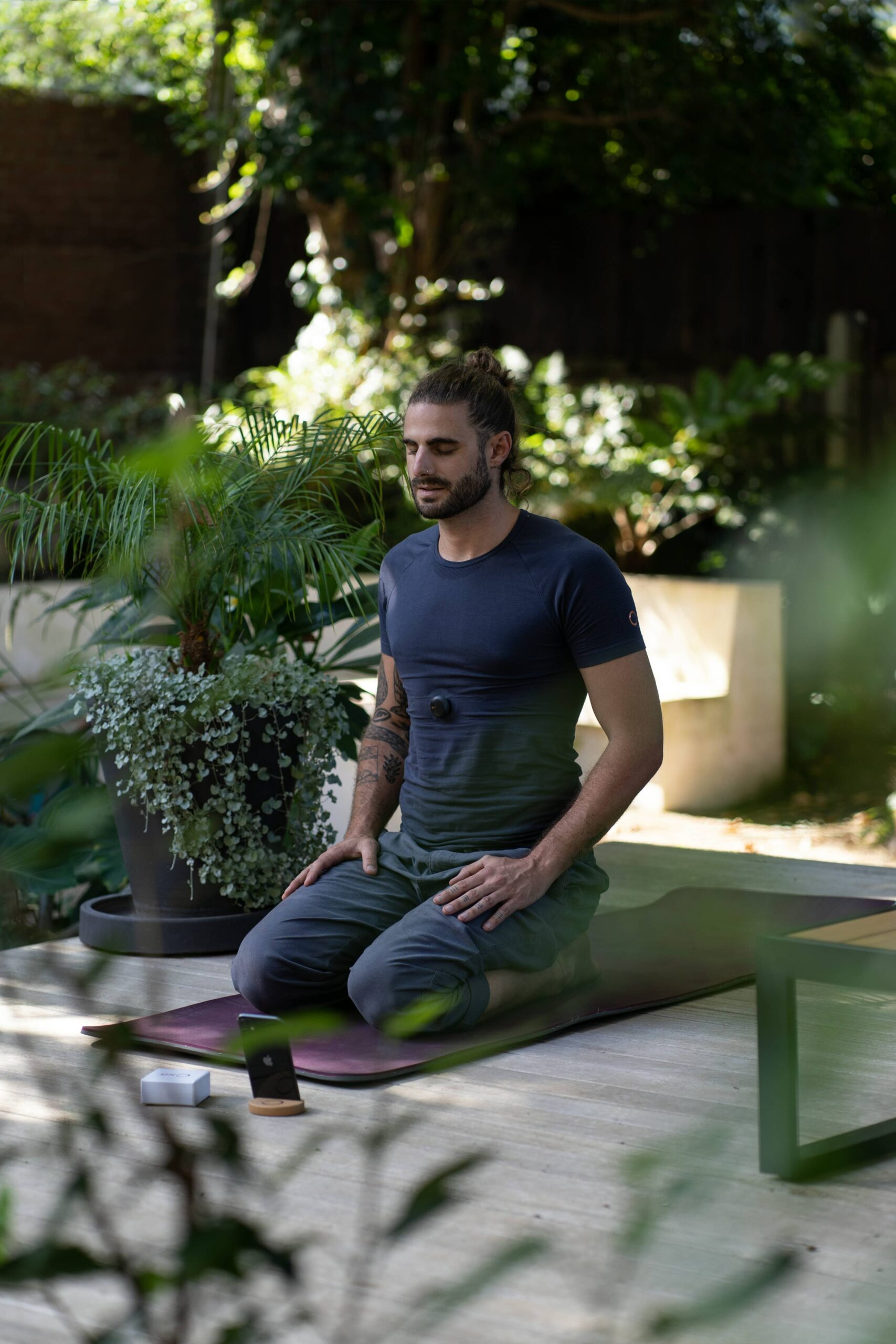
Anxiety affects millions of people worldwide. Everyday stress, trauma, or ongoing uncertainty can make the mind race and the body tense. According to the World Health Organization, anxiety disorders are among the most common mental health conditions globally. Many people look for simple, natural ways to calm their mind—and mindful breathing exercises for anxiety are one of the most powerful tools available.
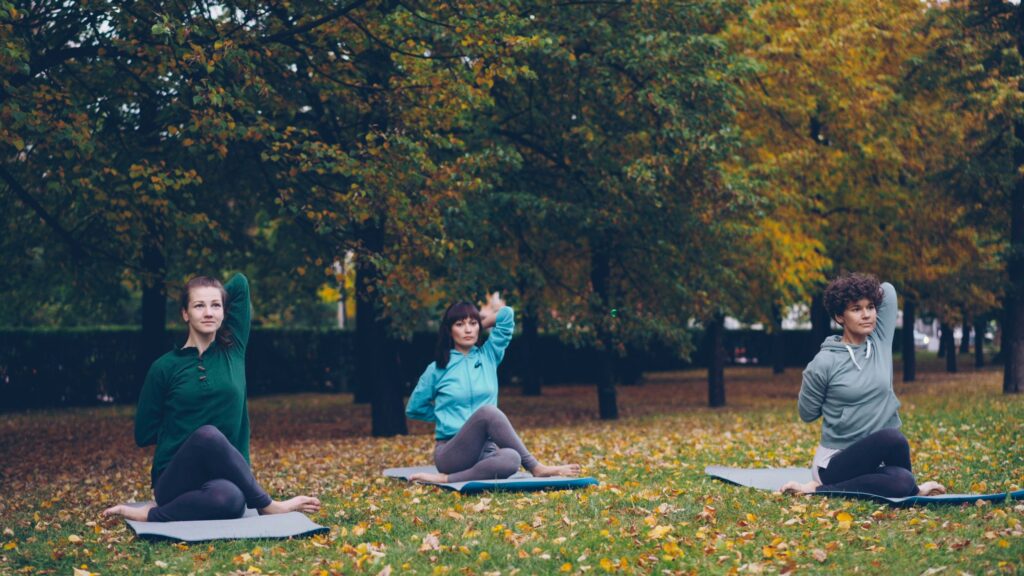
Breathing is something we do every moment, yet we rarely pay attention to it. When we learn to control our breath, we can influence the way our mind and body respond to stress. Mindful breathing helps slow down anxious thoughts, relax tense muscles, and bring you back to the present moment. In this article, you will learn how mindful breathing works, why it helps with anxiety, and how to practice a few effective techniques right away.
Why Mindful Breathing Helps With Anxiety
When anxiety rises, the body goes into a “fight or flight” state. Your heart beats faster, your muscles tighten, and your breathing becomes quick and shallow. This reaction is natural, but when it happens too often, it can exhaust your mind and body.
Mindful breathing is a simple way to interrupt this stress cycle. When you slow your breath, your nervous system receives a signal to calm down. Research published in journals such as Frontiers in Psychology shows that slow, intentional breathing can reduce heart rate, lower stress hormones, and improve emotional regulation. These changes help your body shift into a “rest and digest” mode.
Practicing mindful breathing exercises for anxiety can help you…
- Reduce feelings of overwhelm
- Improve focus and clarity
- Relax physical tension
- Manage strong emotions
- Feel grounded during stressful moments
Even a few minutes of mindful breathing can make a noticeable difference.
How Mindfulness Enhances Breathing Practices
Mindfulness means paying attention to the present moment without judging it. When you combine mindfulness with breathing exercises, you become aware of how your body feels, how your breath moves, and how your thoughts shift. This awareness helps you stay grounded instead of getting pulled into anxious thinking.
With regular practice, mindful breathing builds emotional strength. You learn to observe your anxiety instead of reacting to it. You also learn that each moment is temporary—even the uncomfortable ones.
Effective Mindful Breathing Exercises for Anxiety
Below are several simple techniques you can try anytime. They don’t require special equipment or a quiet room. You can use them at work, at home, or even while waiting in your car.
1. Diaphragmatic Breathing (Belly Breathing)
This is one of the most effective mindful breathing exercises for anxiety because it helps your lungs expand fully and slows your heart rate.
How to do it:
- Sit comfortably or lie down.
- Place one hand on your chest and the other on your belly.
- Inhale slowly through your nose. Feel your belly rise.
- Exhale through your mouth and allow your belly to fall.
- Repeat this cycle for 3–5 minutes.
Why it works:
Deep belly breathing activates the parasympathetic nervous system, which controls your relaxation response. When the belly rises, your body knows it’s safe.
2. 4-7-8 Breathing Technique
This technique is widely used for calming the mind and reducing stress quickly.
How to do it:
- Inhale through your nose for 4 seconds.
- Hold your breath for 7 seconds.
- Exhale slowly through your mouth for 8 seconds.
- Repeat this cycle 4–6 times.
Why it works:
The long exhale helps your body release tension and regulate your heartbeat. Many people use this method to reduce nighttime anxiety.
3. Box Breathing
Box breathing is popular among athletes, first responders, and people who experience high levels of stress.
How to do it:
- Inhale for 4 seconds.
- Hold for 4 seconds.
- Exhale for 4 seconds.
- Hold again for 4 seconds.
- Repeat the cycle for a few minutes.
Why it works:
The even rhythm helps your brain shift from panic to focus. It brings structure to your breath and gives your mind something steady to follow.
4. Counting Breath Meditation
Counting the breath helps interrupt anxious thinking and builds awareness.
How to do it:
- Breathe in and mentally count “one.”
- Breathe out and count “two.”
- Continue this pattern up to “ten,” then start again.
- If your mind wanders (which is normal), gently return to the count.
Why it works:
Counting keeps you anchored in the present moment and reduces mental noise.
5. Affirmation Breathing
This combines mindfulness, breathing, and positive statements.
How to do it:
- Inhale slowly and think: “I am safe.”
- Exhale and think: “I am letting go.”
- Continue repeating your affirmations for 3–5 minutes.
Why it works:
Positive affirmations help reshape anxious thought patterns while breathing calms the nervous system.
How Often Should You Practice?
You don’t need long sessions to feel the benefits. Practicing mindful breathing exercises for anxiety for just 5–10 minutes a day can create lasting change. Many people feel calmer within the first week of consistent practice.
Here are a few tips to stay consistent:
- Add breathing exercises to your morning routine.
- Practice during breaks at work.
- Use mindful breathing before important conversations or stressful tasks.
- Try a few minutes before bedtime to sleep better.
With time, mindful breathing becomes a natural tool you can use anytime anxiety rises.
Final Thoughts
Mindful breathing is a simple yet powerful way to manage anxiety. It allows you to slow down, reconnect with your body, and create space between yourself and your anxious thoughts. By practicing mindful breathing exercises for anxiety, you build resilience, emotional control, and a deeper sense of peace.
You don’t need special training. You only need your breath, your awareness, and a few quiet moments to practice. Over time, these exercises can support your mental health and help you navigate stressful situations with more ease and confidence.