

Now Reading: Foods That Help With Depression: What to Eat for a Happier Mind
-
01
Foods That Help With Depression: What to Eat for a Happier Mind
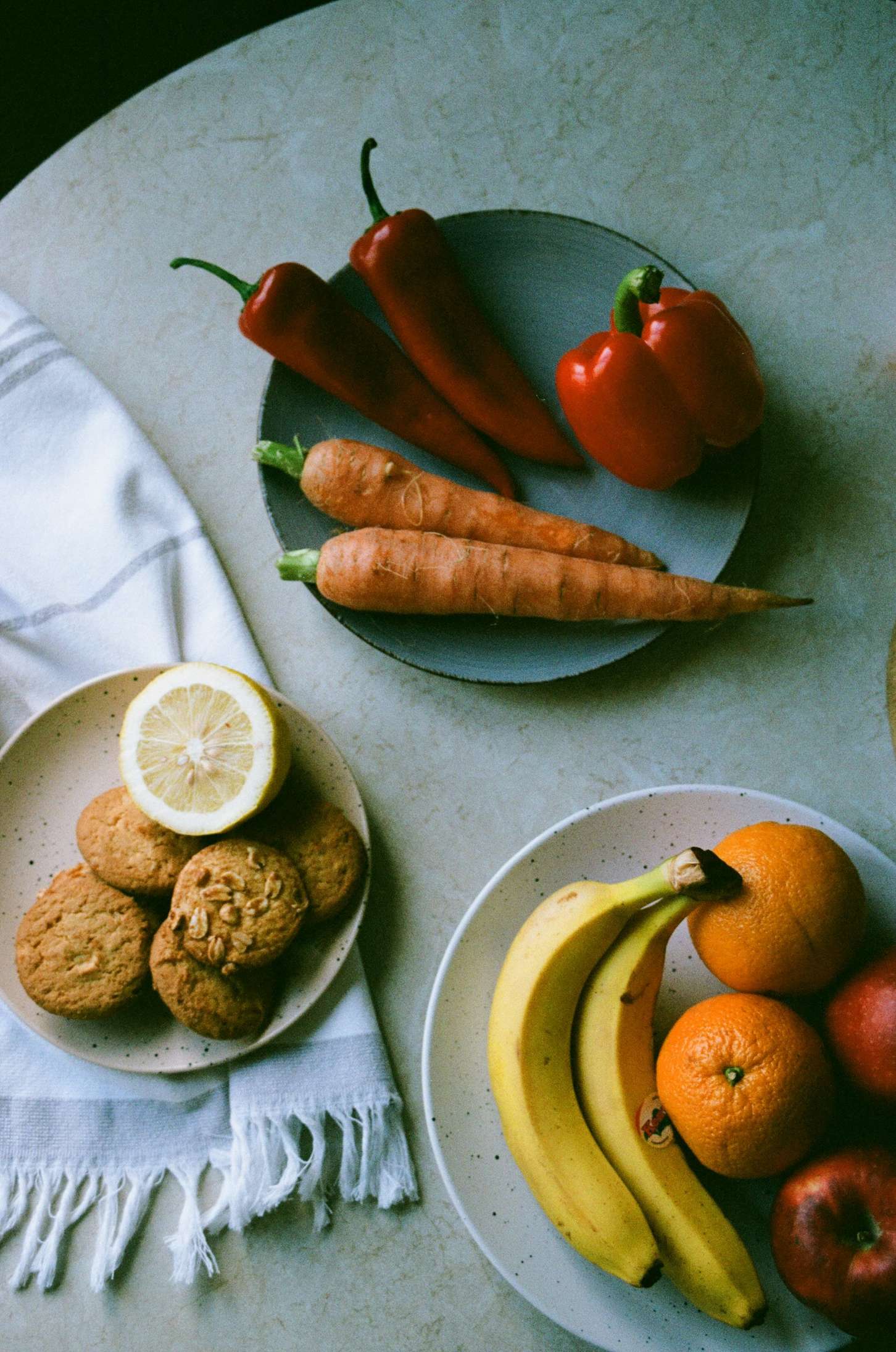
Depression affects millions of people around the world. According to the World Health Organization, more than 280 million people struggle with depression every year (WHO, 2023). While medical treatment and therapy are essential, the food you eat also plays a powerful role in supporting your mental health. Certain foods boost brain function, balance mood-related hormones, and reduce inflammation—all of which can help lift your mood.
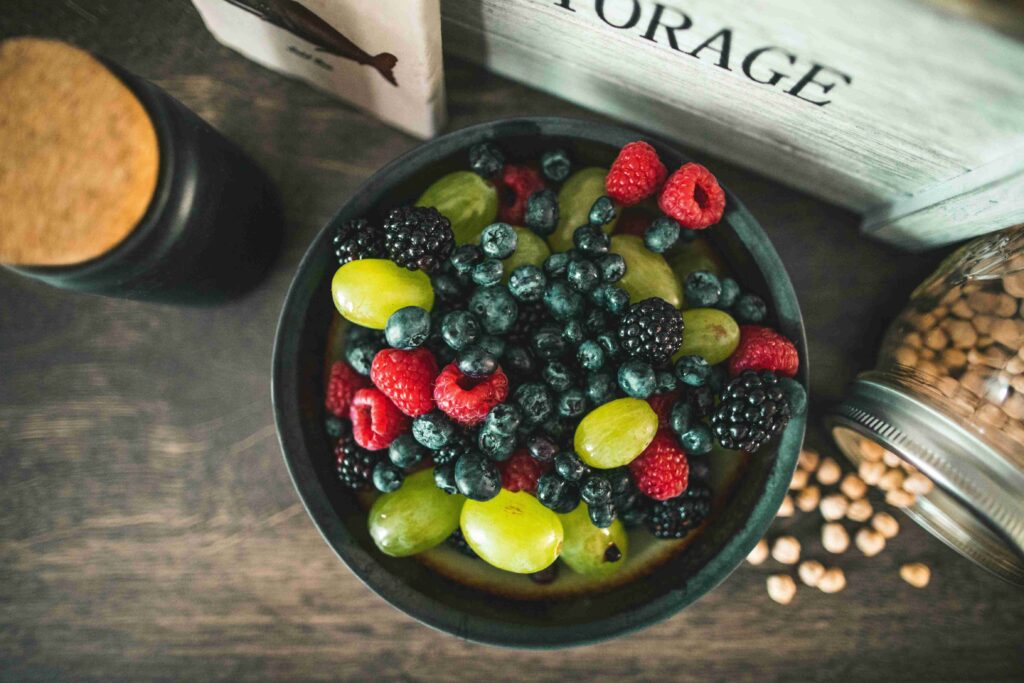
In this article, we explore foods that help with depression, why they matter, and how you can easily add them to your daily routine.
How Food Affects Mood
Your brain needs the right nutrients to function well. Several studies show that diets rich in whole foods can reduce symptoms of depression. For example, a study published in the journal Nutrients found that people who follow Mediterranean-style diets have a 32% lower risk of depression (Nutrients Journal, 2020).
Why does this happen?
Because food affects:
- Serotonin production, which regulates mood
- Inflammation levels, which influence brain health
- Gut health, which communicates directly with the brain
- Energy levels, which impact motivation and mood
When you choose foods that help with depression, you give your brain the fuel it needs to restore balance.
Top Foods That Help With Depression
Below are some of the most research-backed foods that help with depression. Each one supports your mood in a different way.
1. Fatty Fish (Salmon, Mackerel, Sardines)
Fatty fish are rich in omega-3 fatty acids, which support brain health and reduce inflammation. Low omega-3 levels are linked to a higher risk of depression.
Why It Helps
- Omega-3s help build brain cells.
- They improve communication between brain chemicals.
- They may reduce symptoms of major depressive disorder.
How to Add It
Eat fish at least two times a week. If you don’t like fish, consider plant-based omega-3 sources such as chia seeds and flaxseeds.
2. Leafy Greens (Spinach, Kale, Swiss Chard)
Leafy greens contain folate, a vitamin that helps your brain produce mood-regulating neurotransmitters.
Why It Helps
Research shows that low folate levels increase the risk of depression (NIMH, 2022).
How to Add It
- Add spinach to smoothies
- Eat salads for lunch
- Cook greens with garlic and olive oil
3. Berries (Blueberries, Strawberries, Blackberries)
Berries are rich in antioxidants. These compounds protect your cells from inflammation and oxidative stress—two factors linked to depression.
Why It Helps
A study from Harvard found that eating foods with high antioxidant content is associated with lower depressive symptoms (Harvard Health, 2022).
How to Add It
- Add berries to yogurt
- Make berry smoothies
- Eat a handful as a sweet snack
4. Nuts and Seeds (Walnuts, Almonds, Sunflower Seeds)
Nuts and seeds are excellent sources of healthy fats, protein, and magnesium.
Why It Helps
Walnuts, in particular, are linked to improved mood and reduced depression symptoms due to their high omega-3 content.
How to Add It
- Snack on mixed nuts
- Sprinkle seeds on oatmeal
- Add nut butter to whole-grain toast
5. Whole Grains (Oats, Quinoa, Brown Rice)
Whole grains provide complex carbohydrates, which help your body produce serotonin.
Why It Helps
Serotonin stabilizes mood and helps regulate sleep. When your blood sugar stays stable, your mood stays stable too.
How to Add It
- Start your day with oats
- Replace white rice with brown rice
- Try quinoa in salads
6. Fermented Foods (Yogurt, Kefir, Kimchi, Sauerkraut)
Fermented foods improve gut health by adding beneficial probiotics.
Why It Helps
Scientists call the gut the “second brain.” Up to 90% of serotonin is produced in the gut (Johns Hopkins Medicine, 2023). When your gut is healthy, your mood improves.
How to Add It
- Eat yogurt daily
- Drink a cup of kefir
- Add kimchi or sauerkraut to meals
7. Dark Chocolate (70% Cocoa or Higher)
Dark chocolate boosts endorphins and increases blood flow to the brain.
Why It Helps
Studies show that people who eat moderate amounts of dark chocolate report lower levels of depressive symptoms (Depression & Anxiety Journal, 2019).
How to Add It
- Eat 1–2 small squares a day
- Add cacao powder to smoothies
8. Beans and Lentils
Beans and lentils are full of fiber, folate, and plant-based protein.
Why It Helps
They release energy slowly, helping you avoid mood swings caused by blood sugar spikes.
How to Add It
- Make lentil soup
- Add beans to salads
- Cook chickpea curries
Sample One-Day Meal Plan Using Foods That Help With Depression
Here is a simple meal plan that includes many foods that help with depression:
Breakfast
- Oatmeal topped with blueberries and chia seeds
- A glass of kefir
Lunch
- Quinoa salad with spinach, cherry tomatoes, chickpeas, and olive oil
Snack
- A handful of walnuts
- A piece of dark chocolate
Dinner
- Grilled salmon with steamed broccoli
- Brown rice
This simple routine fuels your brain with nutrients that support emotional balance.
Small Changes That Make a Big Difference
You don’t need to change your entire diet overnight. Start small:
- Add one new healthy food each week
- Replace sugary snacks with nuts or fruit
- Drink more water
- Eat more homemade meals
Over time, these small steps create meaningful improvements in your mental health.
Final Thoughts
Choosing foods that help with depression can make a real difference in how you feel every day. While food alone is not a cure, it supports your brain, improves your mood, and helps reduce symptoms when combined with proper treatment.
By filling your plate with nutritious, whole foods—like fatty fish, leafy greens, berries, nuts, whole grains, and fermented foods—you give your mind the nourishment it needs to stay balanced and strong.
If you or someone you love struggles with depression, remember: healing takes time, and it’s okay to ask for help. Along the way, nourishing your body with foods that help with depression can be one of the most supportive choices you make.