
Now Reading: Social Anxiety Exercises: Simple Ways to Feel More Confident in Social Situations
-
01
Social Anxiety Exercises: Simple Ways to Feel More Confident in Social Situations
Social Anxiety Exercises: Simple Ways to Feel More Confident in Social Situations

Social anxiety affects millions of people around the world. It can make everyday moments—like meeting new people, speaking in groups, or even ordering coffee—feel overwhelming. If you struggle with these feelings, you are not alone. Research shows that about 7.1% of adults in the United States experience social anxiety disorder each year (National Institute of Mental Health, 2023). The good news is that small, simple steps can help you feel more in control. In this article, you’ll learn practical social anxiety exercises that you can use at home, work, or anywhere your anxiety appears.
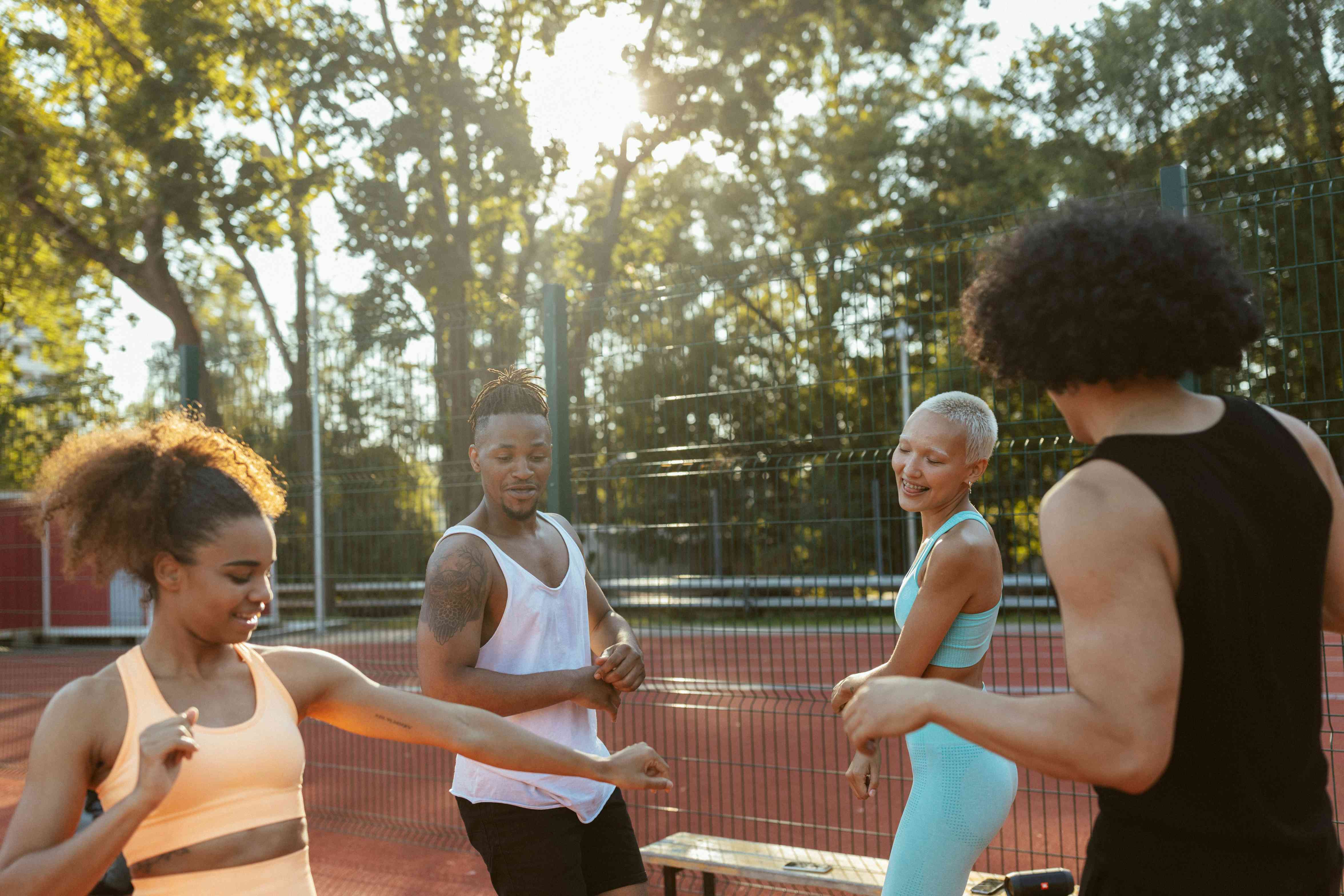
These exercises are easy, gentle, and designed to help you build confidence over time. You can try them daily or whenever you notice anxiety rising.
Why Social Anxiety Exercises Work
Social anxiety often comes from a mix of fear, negative thinking, and physical tension. When you practice social anxiety exercises, you train your brain and body to respond differently to stressful situations. These exercises calm your nervous system, challenge anxious thoughts, and build new habits that support confidence.
Studies show that cognitive and behavioral techniques can significantly reduce social anxiety symptoms by helping people face feared situations gradually and safely (American Psychological Association, 2022).
1. Breathing Exercises to Calm Your Body
Anxiety makes your heart race and your breathing quicken. When your breath becomes shallow, your body receives a signal that something is wrong—even when you’re safe. Controlled breathing reverses that response.
a. Box Breathing
Box breathing is one of the simplest social anxiety exercises you can practice anywhere.
How to do it:
- Breathe in for 4 seconds
- Hold your breath for 4 seconds
- Exhale for 4 seconds
- Hold for another 4 seconds
- Repeat 5 times
This exercise slows your heart rate and helps your mind settle. Many people use it before presentations, social events, or stressful conversations.
b. 4-7-8 Breathing
This breathing pattern signals your brain to relax.
Steps:
- Inhale for 4 seconds
- Hold for 7 seconds
- Exhale slowly for 8 seconds
Try this technique when you feel panic rising in a social situation. It helps reduce physical symptoms like shaking, sweating, and tightness in the chest.
2. Thought-Challenging Exercises to Break Negative Patterns
Negative thoughts fuel social anxiety. You may think, “Everyone is judging me,” or “I’ll embarrass myself.” These thoughts feel powerful, but they are often not true.
Challenging them is an important part of social anxiety exercises.
a. The Reality Check Exercise
Whenever you notice an anxious thought:
- Write it down or say it in your mind.
- Ask yourself: “What evidence do I have that this thought is 100% true?”
- Then ask: “What evidence do I have that it might not be true?”
- Replace it with a more balanced thought.
Example:
- Anxious thought: “Everyone will think I’m awkward.”
- Balanced thought: “Most people are focused on themselves, not on me.”
Over time, this exercise weakens the power of your anxious thoughts.
b. The What-If Flip
Social anxiety often focuses on “what if” worst-case scenarios.
Try flipping the thought:
- Instead of “What if I say something wrong?”
→ “What if the conversation goes better than I expect?”
This mental shift reduces fear and helps you build confidence before social interactions.
3. Gradual Exposure Exercises to Build Confidence
Gradual exposure means facing your fears step by step. Research shows that exposure exercises are one of the most effective treatments for social anxiety (Mayo Clinic, 2023).
You start small, practice regularly, and increase difficulty over time.
a. Create a Fear Ladder
A fear ladder helps you visualize and organize challenges.
Steps:
- Write down social situations that cause anxiety.
- Rank them from least scary to most scary.
- Start with the easiest one and practice until it feels more comfortable.
- Move up to the next level.
Example Ladder:
- Saying hello to a neighbor
- Asking a coworker how their day is
- Making small talk with a stranger
- Attending a small gathering
- Giving a short presentation
This is one of the most powerful social anxiety exercises because it teaches your brain that the situations you fear are not dangerous.
4. Body-Based Exercises to Reduce Tension
Social anxiety lives in the body. You may feel stiff, shaky, or frozen. Body-based exercises release tension and increase your sense of control.
a. Progressive Muscle Relaxation (PMR)
This calming exercise reduces physical stress.
How to do it:
- Start at your feet.
- Tighten the muscles for 5 seconds.
- Release slowly.
- Move upward: legs, stomach, shoulders, face.
PMR helps your body relax before entering any social situation.
b. Grounding Exercise
Grounding brings your mind back to the present moment.
Try the 5-4-3-2-1 technique:
- 5 things you can see
- 4 things you can touch
- 3 things you can hear
- 2 things you can smell
- 1 thing you can taste or imagine tasting
Grounding is one of the quickest social anxiety exercises to calm racing thoughts during social interactions.
5. Social Skills Practice Exercises
Social anxiety often comes from fear of not knowing what to say or how to act. Practicing simple skills builds confidence.
a. Small Talk Starter Exercise
Choose one small-talk topic each day, such as:
- Weather
- Weekend plans
- Hobbies
Practice one short conversation with a coworker, cashier, or friend.
Even a 10-second exchange helps your confidence grow.
b. Eye Contact Practice
Stand in front of a mirror.
Look at your reflection for 3–5 seconds at a time.
This gentle practice helps you build comfort with eye contact, a common challenge in social anxiety.
6. Journaling Exercises for Self-Reflection
Writing helps you understand your triggers and successes.
a. Social Success Journal
Each day, write:
- One social situation you handled well
- What went right
- How you felt afterward
People with social anxiety often overlook positive experiences. This journal helps you see progress clearly.
b. Trigger Tracking Exercise
Record:
- The situation
- Your anxiety level (1–10)
- Your thoughts
- What helped you cope
Over time, patterns become easier to recognize and change.
Final Thoughts
Social anxiety can feel overwhelming, but you don’t have to face it alone. These social anxiety exercises are simple tools that you can practice daily to build confidence, reduce fear, and feel more comfortable in social situations. Healing happens step by step. Celebrate every small win, because each one brings you closer to a calmer, more confident you.
If social anxiety is affecting your daily life, consider reaching out to a mental health professional. With the right support and consistent practice, many people experience major improvements.
You deserve a life where social situations feel manageable—and these exercises can help you get there.