

Now Reading: Nutrition Tips for Mental Well-Being: How Food Shapes Your Mind
-
01
Nutrition Tips for Mental Well-Being: How Food Shapes Your Mind
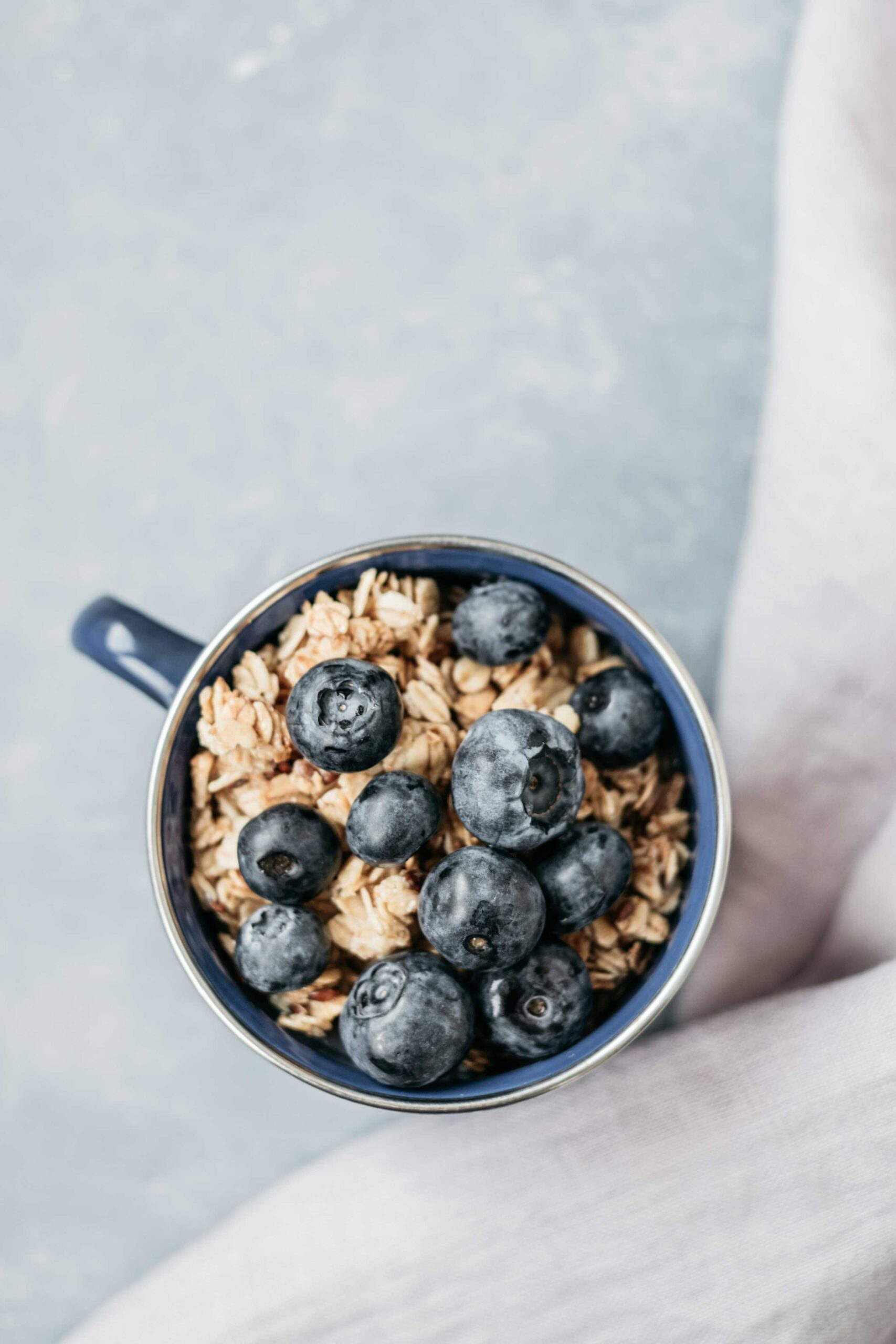
Mental well-being is not only shaped by therapy, sleep, or exercise. What you eat every day plays a powerful role in how your brain works, how you feel, and how you handle stress. Research continues to show strong links between diet and mental health outcomes like anxiety, depression, and cognitive performance.

In this article, you’ll find practical, science-backed nutrition tips for mental well-being. The focus stays on simple food choices, easy habits, and realistic changes you can maintain long term.
Why Nutrition Matters for Mental Health
Your brain uses about 20% of your body’s total energy, even though it makes up only 2% of your body weight. That energy comes directly from nutrients in your diet.
According to the World Health Organization (WHO), depression affects more than 280 million people worldwide, and lifestyle factors like diet significantly influence mental health outcomes (WHO, 2023).
Following proper nutrition tips for mental well-being helps:
- Balance brain chemicals like serotonin and dopamine
- Reduce inflammation linked to depression
- Improve focus, memory, and emotional regulation
Food is not a cure, but it is a powerful support tool.
The Gut-Brain Connection Explained
Your gut and brain communicate constantly through the gut-brain axis. Around 90% of serotonin, a key mood-regulating neurotransmitter, is produced in the gut.
A 2019 study published in Nature Microbiology showed that people with depression had lower levels of beneficial gut bacteria. This finding highlights why nutrition tips for mental well-being must include gut-friendly foods.
When your gut stays healthy, your mood often improves too.
Nutrition Tips for Mental Well-Being You Can Start Today
1. Eat More Whole Foods
Whole foods provide steady energy and essential nutrients for brain health.
Focus on:
- Fruits and vegetables
- Whole grains like oats and brown rice
- Legumes such as lentils and chickpeas
A Harvard Health study reports that people who follow whole-food diets have a 25–35% lower risk of depression compared to those who eat highly processed foods (Harvard Health Publishing).
Adding whole foods is one of the most effective nutrition tips for mental well-being.
2. Prioritize Omega-3 Fatty Acids
Omega-3 fatty acids support brain cell structure and reduce inflammation.
Good sources include:
- Fatty fish (salmon, sardines, mackerel)
- Walnuts
- Flaxseeds and chia seeds
A meta-analysis published in Translational Psychiatry found that omega-3 supplementation significantly reduced depressive symptoms, especially in people with clinical depression.
If you want practical nutrition tips for mental well-being, omega-3s should be high on your list.
3. Balance Blood Sugar Levels
Blood sugar spikes and crashes can worsen anxiety, irritability, and fatigue.
To stabilize blood sugar:
- Eat protein with every meal
- Choose complex carbs over refined sugar
- Avoid skipping meals
Stable blood sugar supports steady mood and energy, making this one of the most overlooked nutrition tips for mental well-being.
Key Nutrients That Support Mental Well-Being
4. Get Enough B Vitamins
B vitamins help produce neurotransmitters that regulate mood.
Important B vitamins include:
- Vitamin B6
- Vitamin B12
- Folate
Low B12 levels are linked to depression and cognitive decline, according to the Journal of Psychiatric Research. Foods like eggs, leafy greens, beans, and fortified cereals help maintain healthy levels.
Following nutrition tips for mental well-being means paying attention to these small but vital nutrients.
5. Don’t Ignore Magnesium
Magnesium plays a role in calming the nervous system.
It helps:
- Reduce anxiety
- Improve sleep quality
- Regulate stress hormones
Foods rich in magnesium include spinach, pumpkin seeds, almonds, and dark chocolate. A review in Nutrients Journal showed magnesium supplementation improved mild anxiety symptoms.
Simple nutrition tips for mental well-being often work best when they focus on mineral balance.
6. Support Your Gut with Probiotics
Probiotics improve gut health and influence mood.
Natural probiotic foods include:
- Yogurt with live cultures
- Kefir
- Sauerkraut and kimchi
A 2020 study in Psychiatry Research found that probiotic intake reduced depressive symptoms in adults.
Adding fermented foods is an easy way to apply nutrition tips for mental well-being without drastic changes.
Foods to Limit for Better Mental Health
7. Reduce Ultra-Processed Foods
Ultra-processed foods often contain high sugar, refined carbs, and unhealthy fats.
Research published in The BMJ linked high consumption of ultra-processed foods to a 22% higher risk of depression.
Limiting these foods is one of the most impactful nutrition tips for mental well-being.
8. Watch Your Caffeine Intake
Caffeine affects anxiety and sleep quality.
While moderate intake can improve focus, excess caffeine may:
- Increase anxiety
- Disrupt sleep
- Trigger heart palpitations
Try limiting caffeine after early afternoon as part of your daily nutrition tips for mental well-being routine.
Hydration and Mental Well-Being
9. Drink Enough Water
Even mild dehydration can affect mood and concentration.
A study in The Journal of Nutrition found that dehydration increased fatigue, confusion, and anxiety symptoms.
Staying hydrated supports brain function and emotional balance, making it one of the simplest nutrition tips for mental well-being.
Building Sustainable Eating Habits
10. Focus on Progress, Not Perfection
Mental well-being improves with consistency, not extreme dieting.
Helpful habits include:
- Planning balanced meals
- Eating mindfully
- Avoiding food guilt
Sustainable nutrition tips for mental well-being work best when they fit your lifestyle and emotional needs.
How Nutrition Supports Long-Term Mental Health Recovery
Diet alone cannot replace therapy or medical care. However, when combined with professional support, proper nutrition strengthens resilience and emotional stability.
According to the American Psychological Association, lifestyle interventions like diet and exercise improve treatment outcomes for depression and anxiety when used alongside therapy.
Applying these nutrition tips for mental well-being can support recovery, prevent relapse, and improve quality of life.
Final Thoughts: Small Food Choices, Big Mental Impact
Food shapes your brain more than most people realize. Each meal sends chemical signals that influence mood, focus, and stress response.
By following these evidence-based nutrition tips for mental well-being, you give your brain the tools it needs to function at its best. Start small, stay consistent, and remember that nourishing your body also nourishes your mind.
Healthy eating is not about restriction. It’s about support, balance, and long-term mental wellness.