

Now Reading: Chocolate and Anxiety: Can Chocolate Really Help You Feel Calm?
-
01
Chocolate and Anxiety: Can Chocolate Really Help You Feel Calm?
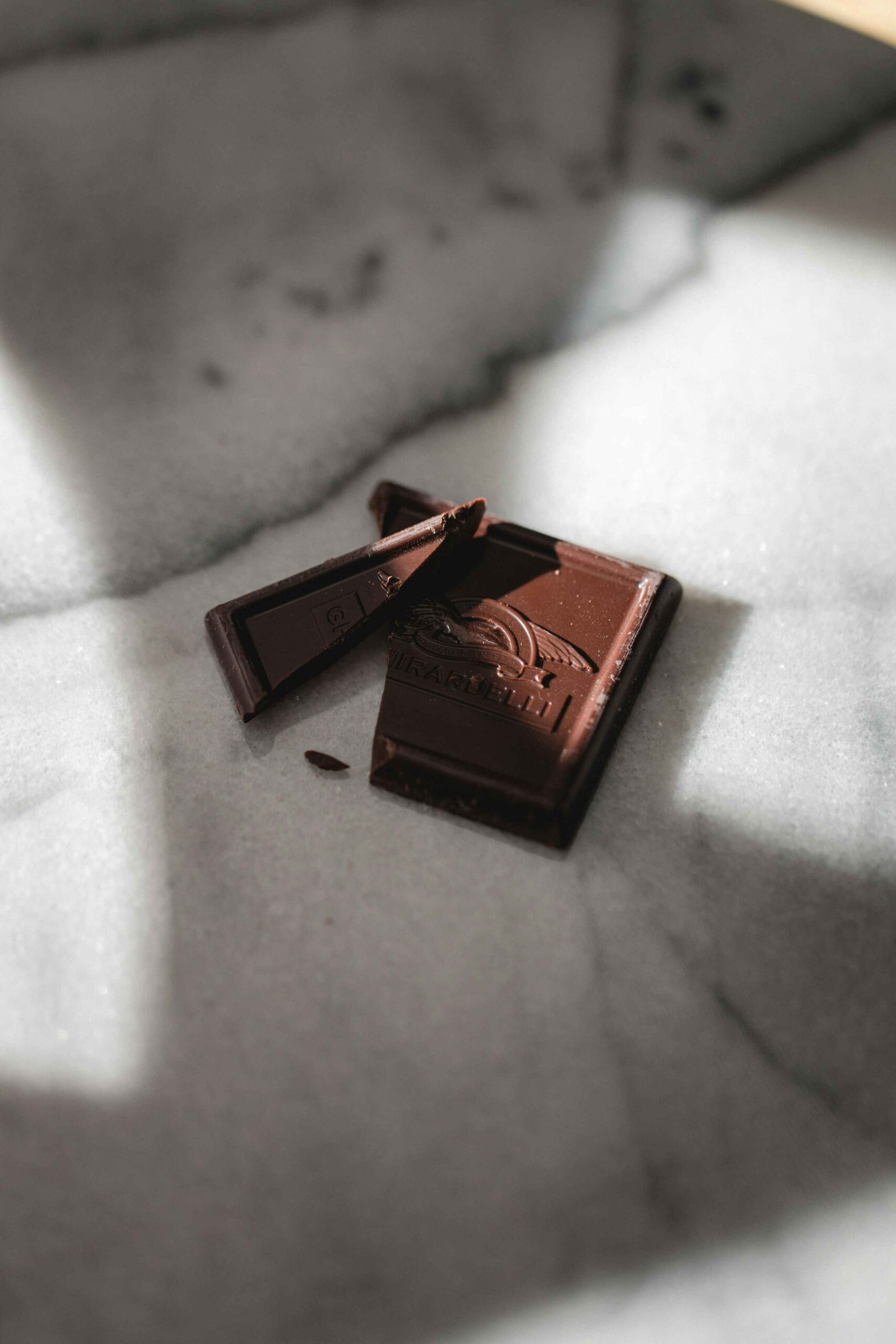
Anxiety shows up in many forms, like racing thoughts, tense muscles, or constant worry. When people feel stressed, many reach for chocolate. This is not just by chance. There is a real connection between chocolate and anxiety, both emotionally and biologically.

Chocolate is comforting, enjoyable, and familiar. Besides its taste, some parts of chocolate may help with mood and stress. However, while chocolate can be helpful for anxiety, eating too much can make things worse. Learning about the link between chocolate and anxiety can help you enjoy it in a balanced way, instead of using it as a quick fix.
The Relationship Between Chocolate and Anxiety
The connection between chocolate and anxiety starts in the brain. Stress makes us crave foods that bring comfort. Chocolate’s mix of fat, flavor, and sweetness can briefly soothe the nervous system.
Biologically, chocolate has compounds that change brain chemistry. According to Harvard Health Publishing, dark chocolate affects neurotransmitters tied to mood and stress (https://www.health.harvard.edu). On an emotional level, chocolate’s positive associations can also bring relief when you feel anxious.
Still, chocolate is not a treatment for anxiety disorders. It might help a bit, but it is not a cure.
How Chocolate Affects the Brain
Chocolate and Neurotransmitters
Chocolate affects key brain chemicals that control mood. Cocoa helps release serotonin and dopamine, which help you feel calm and happy. These chemicals keep emotions balanced, which is one reason chocolate and anxiety are connected.
Dark chocolate also boosts endorphins. Endorphins lower pain and help you relax. This is part of why chocolate can feel comforting when you’re stressed.
Stress Hormones and Cortisol
Ongoing stress raises cortisol levels, which can make anxiety worse. A study in The Journal of Proteome Research found that people who ate dark chocolate every day for two weeks had lower cortisol and less stress.
This means chocolate may help manage stress hormones, especially if you eat dark chocolate in moderation.
Can Chocolate Help Reduce Anxiety? What Research Says
Research on chocolate and anxiety shows promising but limited results. A large observational study published in Depression & Anxiety (2019) found that people who consumed dark chocolate reported lower perceived stress than those who did not.
Another study in Frontiers in Nutrition reported that cocoa polyphenols may support brain health and emotional regulation. However, researchers also stress that results vary based on chocolate type, portion size, and individual sensitivity.
In short, research suggests dark chocolate may help reduce stress, but it should not take the place of therapy, medication, or other coping tools.
Why Dark Chocolate Is Better for Anxiety
Polyphenols and Antioxidants
Dark chocolate is full of polyphenols, especially flavonoids. These antioxidants lower inflammation and support brain health. Since inflammation is linked to anxiety and depression, this is one reason chocolate and anxiety are often discussed together.
Magnesium and Nervous System Support
Dark chocolate contains magnesium, a mineral involved in nerve function and muscle relaxation. Magnesium deficiency is linked to increased anxiety symptoms. According to the National Institutes of Health, magnesium supports stress response and emotional regulation (https://ods.od.nih.gov).
Mood Elevation Without Sugar Spikes
Milk chocolate contains high sugar levels that can spike blood glucose and worsen anxiety later. Dark chocolate with 70–85% cocoa has less sugar, leading to steadier energy and mood.
Why Darker Is Better
The more cocoa in your chocolate, the better it may be for you. For best results, pick chocolate with simple ingredients and no artificial additives.
Milk Chocolate vs Dark Chocolate: Anxiety Impact
Milk chocolate tastes comforting, but it contains more sugar and less cocoa. High sugar intake increases inflammation and can worsen anxiety symptoms over time. Blood sugar crashes often trigger irritability and restlessness.
When comparing chocolate and anxiety, dark chocolate clearly offers more benefits. Milk chocolate works more as emotional comfort than physiological support.
Chocolate in Modern Wellness and Mindful Eating
Chocolate is now part of many wellness discussions. Mindful eating means slowing down and paying attention to taste, texture, and satisfaction. When you eat chocolate mindfully, it becomes an experience instead of just a way to cope.
Chocolate and Emotional Regulation
Eating chocolate mindfully can help reduce guilt and break emotional eating habits. Instead of using chocolate to avoid anxiety, being aware lets you enjoy it without becoming dependent.
How to Use Chocolate Without Increasing Anxiety
Portion Awareness
Small portions matter. One to two squares of dark chocolate are enough to gain benefits without overload.
Timing Matters
Try not to eat chocolate late at night. It has caffeine and theobromine, which can make it harder to sleep and may increase anxiety.
Who Should Be Careful
People who are sensitive to caffeine, in early recovery from substance use, or have binge-eating habits should be careful with chocolate. In recovery, swapping one craving for another can slow down emotional healing.
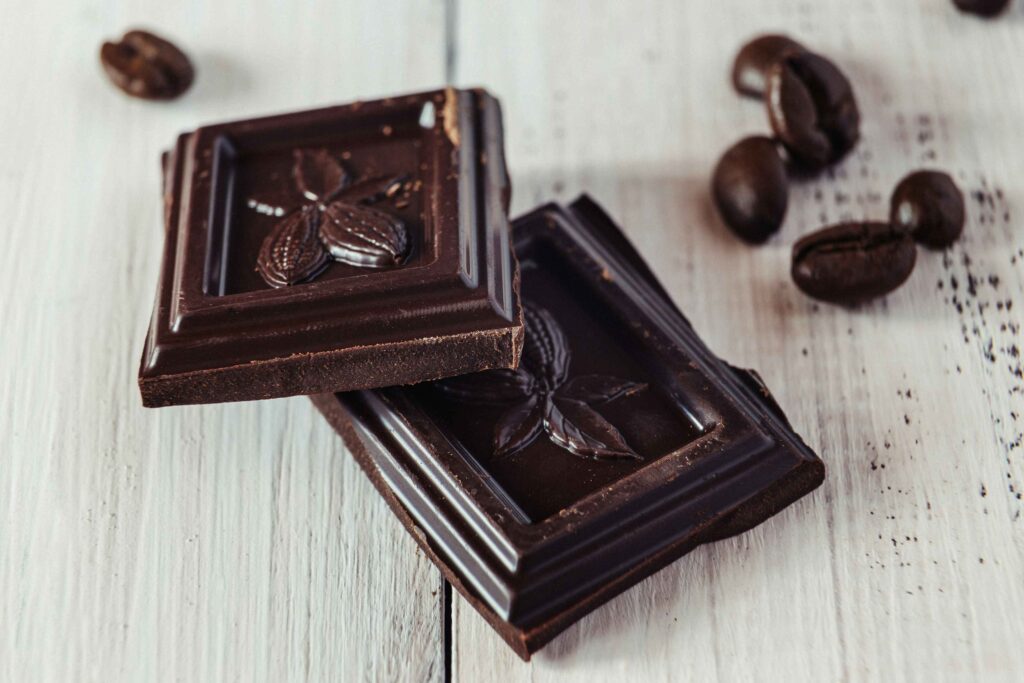
Chocolate, Anxiety, and Substance Use Recovery
Sugar cravings often happen during recovery. Chocolate can feel comforting, but it might also lead to new habits of seeking pleasure. Being mindful can help you avoid making chocolate a habit you depend on.
According to the Substance Abuse and Mental Health Services Administration (https://www.samhsa.gov), emotional regulation skills are essential in recovery. Chocolate may support mood briefly, but long-term anxiety relief requires balanced nutrition, mindfulness, and support systems.
Other Diet Tips That Support Anxiety Relief
Chocolate pairs best with other supportive foods. Omega-3 fatty acids, fermented foods, complex carbohydrates, and proper hydration all help regulate mood. Balanced meals stabilize blood sugar, which reduces anxiety spikes.
Final Thoughts on Chocolate and Anxiety
There is a real connection between chocolate and anxiety, but it is complex. Dark chocolate can boost your mood, lower stress hormones, and bring comfort if you eat it mindfully. It will not cure anxiety, but it can be part of a healthy routine.
Enjoy chocolate slowly, choose quality over quantity, and use it with other healthy coping methods. If your anxiety feels overwhelming, remember that getting professional help matters more than any food.
Recommended YouTube Resource
Andrew Huberman – Stress, Food, and the Brain
References
- Harvard Health Publishing – https://www.health.harvard.edu
- National Institutes of Health (Magnesium Fact Sheet) – https://ods.od.nih.gov
- Depression & Anxiety Journal (2019)
- Frontiers in Nutrition – https://www.frontiersin.org
- SAMHSA – https://www.samhsa.gov