
Now Reading: Guided Mindfulness for Anxiety: A Simple Path to Calm
-
01
Guided Mindfulness for Anxiety: A Simple Path to Calm
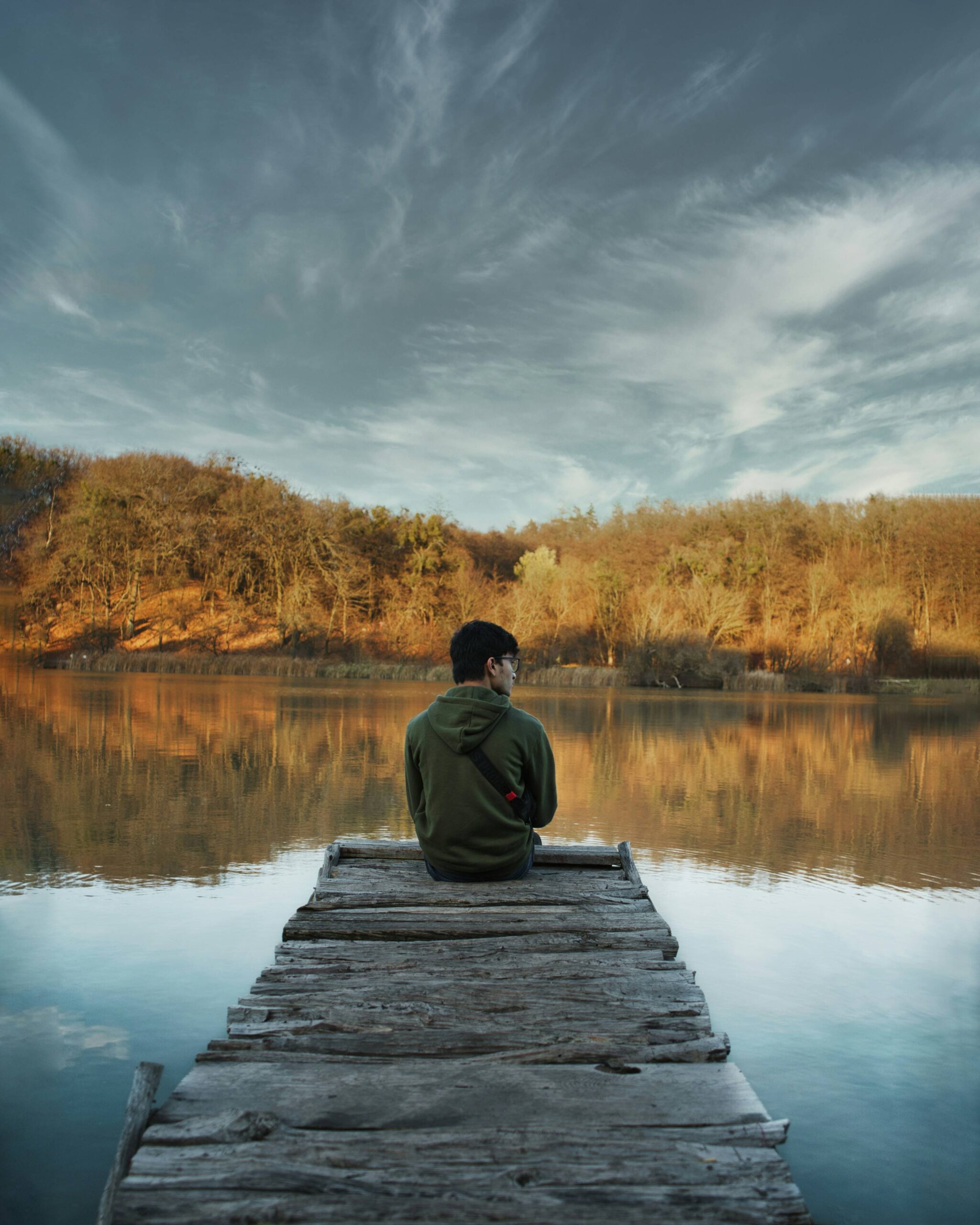
Anxiety affects millions of people around the world, and it often shows up when we least expect it. Many individuals look for natural ways to manage their symptoms without feeling overwhelmed. Guided mindfulness for anxiety is one of the most effective and gentle tools you can use. It helps you slow down, reconnect with your body, and understand what is happening inside your mind.
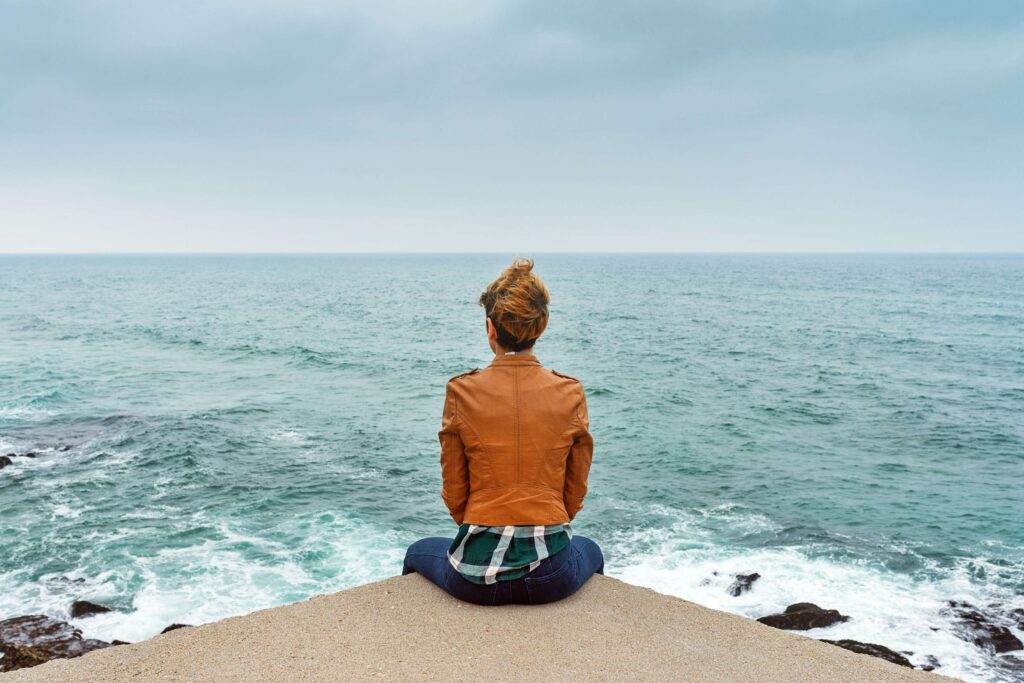
In this article, you will learn how guided mindfulness works, why it is effective for anxiety, and simple exercises you can try today.
What Is Guided Mindfulness?
Guided mindfulness is a practice where a teacher, therapist, or audio recording leads you through mindful awareness. Instead of figuring everything out on your own, you simply follow the voice guiding you. The guide may ask you to notice your breath, focus on physical sensations, or observe your thoughts without judgment.
People use guided mindfulness for anxiety because it offers structure. When anxiety rises, your mind can feel chaotic. A calm guiding voice gives you direction and helps you stay present.
Why Guided Mindfulness Helps With Anxiety
Anxiety often pulls your attention into the future. You worry about what might happen, what could go wrong, or how you will handle the next moment. Mindfulness gently brings your awareness back to the present.
It Reduces Physical Symptoms
When anxiety hits, your heart may race, your muscles tighten, and your thoughts speed up. Research shows that mindfulness slows down the body’s stress response. One study published in JAMA Internal Medicine found that mindfulness meditation programs can reduce symptoms of anxiety and depression in many people (Goyal et al., 2014).
It Improves Emotional Regulation
Mindfulness helps you notice your emotions without reacting immediately. Instead of fighting your anxiety, you learn to observe it with curiosity. Over time, this breaks the cycle of fear and avoidance.
It Builds Long-Term Resilience
Practicing guided mindfulness for anxiety regularly teaches your mind how to remain steady even during stressful moments. You learn to catch anxious thoughts early and respond with intention.
Statistics: How Anxiety Impacts Us Today
Understanding the scale of anxiety can help you realize you’re not alone.
- According to the World Health Organization (WHO), around 301 million people worldwide live with an anxiety disorder (WHO, 2023).
- The Anxiety and Depression Association of America (ADAA) notes that anxiety disorders affect 18.1% of adults in the United States each year (ADAA, 2022).
These numbers show how common anxiety is—and why tools like guided mindfulness for anxiety are becoming essential for mental well-being.
How Guided Mindfulness Works
Guided mindfulness usually involves audio instructions. You can find recordings from therapists, meditation teachers, and mental health experts. Most sessions last between 5 and 20 minutes.
A typical session includes:
1. Settling the Body
You sit or lie down comfortably. The guide may ask you to relax your shoulders, soften your jaw, or rest your hands gently.
2. Breath Awareness
You pay attention to your natural breathing pattern. There is no need to force anything. You simply notice the rise and fall of your breath.
3. Body Scan
You slowly move your attention through different parts of your body. This helps release tension and grounds you in the present moment.
4. Thought Observation
Instead of pushing your thoughts away, you watch them like clouds passing in the sky. This teaches you that thoughts are temporary and not always true.
5. Returning to the Moment
The guide gently brings you back to your breath and then to your surroundings.
Practicing guided mindfulness for anxiety in this structured way helps you stay focused without feeling lost or uncertain.
Simple Guided Mindfulness Exercises for Anxiety
1. Five-Minute Breath Focus
This short exercise works well when you feel anxious during the day.
- Sit comfortably with your back supported.
- Close your eyes or soften your gaze.
- Listen to a guided audio that helps you follow your breath.
- Notice each inhale and exhale.
- If your thoughts wander, gently bring them back.
2. Body Scan for Tension Release
This practice helps when your body feels tight or restless.
- Lie down or sit in a relaxed position.
- Play a guided body-scan recording.
- Start from your feet and move upward.
- Release any tension you notice.
3. Guided Visualization
Visualization helps calm emotional anxiety by creating a peaceful mental environment.
You may hear instructions like:
“Imagine yourself at a quiet beach. Feel the warm sand. Listen to the waves.”
Visualization supports guided mindfulness for anxiety by offering grounding images and sensations.
Tips to Make Guided Mindfulness a Daily Habit
Start Small
Begin with 3–5 minutes a day. Consistency matters more than session length.
Create a Calm Environment
Choose a quiet space, dim lighting, or soft music.
Use Quality Recordings
Find guides whose voice and style make you feel safe and comfortable.
Practice at the Same Time Daily
Many people prefer practicing in the morning or before bed.
Be Patient With Yourself
Mindfulness is a skill. Your mind may wander—and that’s okay.
How Guided Mindfulness Supports Long-Term Healing
Over time, guided mindfulness for anxiety helps you change your relationship with stress. Instead of trying to control every thought or symptom, you learn to observe your inner world with acceptance.
A study published in Clinical Psychology Review found that mindfulness-based interventions can significantly reduce anxiety symptoms across different age groups (Hölzel et al., 2011). These findings show that mindfulness is not just a quick fix—it supports long-term mental health.
Mindfulness strengthens your ability to stay present, reduces emotional reactivity, and helps you build a calmer foundation for daily life.
Final Thoughts
Anxiety may feel overwhelming, but you have tools that can help you regain control of your mind and body. Guided mindfulness for anxiety is a gentle and effective practice that brings clarity, calm, and balance into your daily life. Whether you use short guided recordings or deeper meditation sessions, mindfulness helps you stay grounded during stressful moments.
Start small, stay consistent, and give yourself permission to grow. With practice, guided mindfulness can become a powerful support in your journey toward emotional well-being.