
Now Reading: Herbal Treatments for Depression: Natural Ways to Support Emotional Well-Being
-
01
Herbal Treatments for Depression: Natural Ways to Support Emotional Well-Being
Herbal Treatments for Depression: Natural Ways to Support Emotional Well-Being
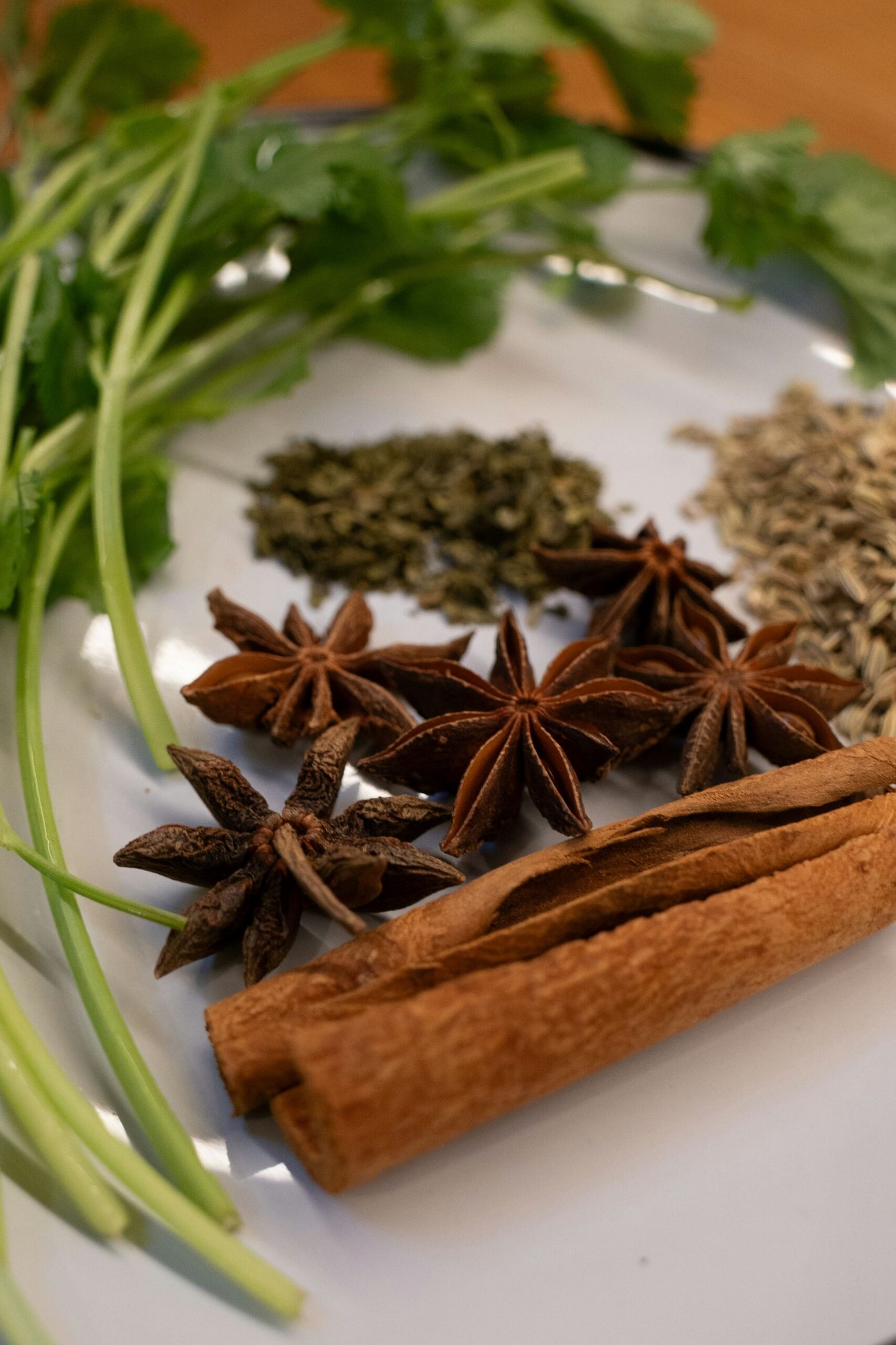
Depression affects millions of people around the world, and many continue to explore gentle, natural options to support their mental health. While professional treatment remains essential for moderate to severe symptoms, herbal treatments for depression can offer extra support for people looking for complementary remedies. These natural approaches have been used for centuries and continue to gain attention for their ability to calm the mind, boost mood, and improve overall well-being.
According to the World Health Organization (WHO), more than 280 million people worldwide live with depression (WHO, 2023). This growing number shows why accessible and natural alternatives are becoming increasingly popular. In this article, I explain some of the most effective herbal treatments for depression, how they work, and how you can use them safely.
Understanding How Herbal Remedies Help With Depression
Herbal medicines come from plants, roots, leaves, and flowers. Many herbs contain natural compounds that can influence the brain’s chemistry, reduce inflammation, or support the nervous system. When used correctly, herbal treatments for depression can gently improve mood, reduce stress, and support emotional balance.
However, it’s important to remember that herbs are not a replacement for therapy, medication, or professional treatment. Instead, think of them as helpful tools you can combine with a healthy lifestyle and professional support.
1. St. John’s Wort: One of the Most Studied Herbal Remedies
St. John’s Wort (Hypericum perforatum) is one of the most widely researched herbal treatments for depression. Many studies show that it can help relieve mild to moderate symptoms by increasing serotonin, dopamine, and norepinephrine levels in the brain.
How it helps
- Improves mood and energy
- Reduces sadness and tension
- Supports emotional stability
A review published in the Cochrane Database found that St. John’s Wort may work as effectively as standard antidepressants for mild to moderate depression (Linde et al., 2015). Its long history in traditional medicine and its scientific support make it one of the most trusted herbal treatments for depression today.
Important Safety Notes
- It interacts with many medications, including birth control pills, blood thinners, and some antidepressants.
- Always talk to a doctor before using it.
2. Saffron: A Bright Spice With Mood-Boosting Effects
Saffron, often called “red gold,” is known for its powerful antioxidant properties. Recent studies show that saffron may help improve symptoms of depression and anxiety.
How it supports mental health
- Boosts serotonin levels
- Reduces oxidative stress
- Improves emotional balance
A study in the Journal of Affective Disorders found that saffron extract reduced symptoms of mild to moderate depression with effectiveness similar to some antidepressants (Hausenblas et al., 2015). Because of its gentle nature, saffron has become one of the promising herbal treatments for depression in modern wellness practices.
3. Lavender: Calming the Mind and Easing Anxiety
Lavender is commonly associated with relaxation, sleep, and stress relief. Its soothing scent and natural compounds influence the nervous system and help quiet an overactive mind.
How lavender helps
- Reduces anxiety, which often coexists with depression
- Supports better sleep
- Calms physical symptoms like tension and restlessness
Lavender can be used as an essential oil, herbal tea, or supplement. Many people use it as part of their nightly routine to support emotional well-being. Its gentle calming effect makes lavender one of the most comforting herbal treatments for depression, especially for people who struggle with stress-related symptoms.
4. Rhodiola Rosea: For Energy, Focus, and Emotional Strength
Rhodiola rosea is an adaptogenic herb, which means it helps the body adapt to stress. This plant has a long history in traditional medicine across cold, mountainous regions of Europe and Asia.
Benefits of Rhodiola
- Increases energy levels
- Improves mental clarity
- Reduces stress and fatigue
A study in Nordic Journal of Psychiatry found that Rhodiola improved symptoms of mild to moderate depression, especially fatigue and lack of motivation (Darbinyan et al., 2007). Because stress plays a major role in mood disorders, Rhodiola has become one of the most supportive herbal treatments for depression, especially for individuals who feel worn out or mentally drained.
5. Ashwagandha: Balancing Stress Hormones
Ashwagandha is a traditional Ayurvedic herb well-known for its stress-reducing properties. It helps regulate cortisol, the body’s main stress hormone.
How it supports emotional health
- Reduces stress and worry
- Improves sleep quality
- Supports the nervous system
Several clinical studies show that ashwagandha can lower cortisol levels by up to 30% in some adults (Chandrasekhar et al., 2012). Because chronic stress is closely linked to depression, ashwagandha stands out as one of the most helpful herbal treatments for depression in people who feel overwhelmed or anxious.
6. Turmeric: Fighting Inflammation Linked to Depression
Turmeric contains curcumin, a powerful anti-inflammatory compound. Researchers now believe that inflammation may play a role in depression for some individuals. By reducing inflammation, turmeric may help support better mood and mental clarity.
Benefits of turmeric
- Reduces inflammation
- Boosts antioxidant activity
- Supports brain health
A study in Phytotherapy Research showed that curcumin improved symptoms of depression when used over several weeks (Lopresti et al., 2014). Because of this, turmeric has become one of the widely used herbal treatments for depression, especially when combined with black pepper to increase absorption.
How to Use Herbal Treatments Safely
Although herbal treatments for depression are natural, they still need to be used carefully. Here are simple guidelines:
1. Talk to a healthcare professional
Especially if you take other medications or have chronic health conditions.
2. Start with small doses
This helps you understand how your body reacts.
3. Look for high-quality supplements
Choose products tested for purity and safety.
4. Combine herbal remedies with lifestyle habits
Good sleep, exercise, and a balanced diet strengthen the effects of herbal treatments for depression.
5. Monitor your progress
If symptoms get worse, seek medical support immediately.
When Herbal Treatments May Not Be Enough
Herbal remedies work best for mild or early symptoms. If you experience severe hopelessness, emotional numbness, suicidal thoughts, or major changes in functioning, professional treatment is essential. Herbs can complement care, but they should never replace therapies or prescribed medication.
Final Thoughts
Herbal treatments for depression offer gentle, natural ways to support your emotional well-being. Herbs like St. John’s Wort, saffron, lavender, Rhodiola, ashwagandha, and turmeric can help ease symptoms by balancing mood, reducing stress, and improving overall mental health. When used wisely and with professional guidance, these plant-based remedies can become powerful allies on your journey toward healing.
If you’re exploring natural options, consider combining herbal treatments with healthy habits and professional support. With a balanced approach, you can find more peace, clarity, and strength in your daily life.