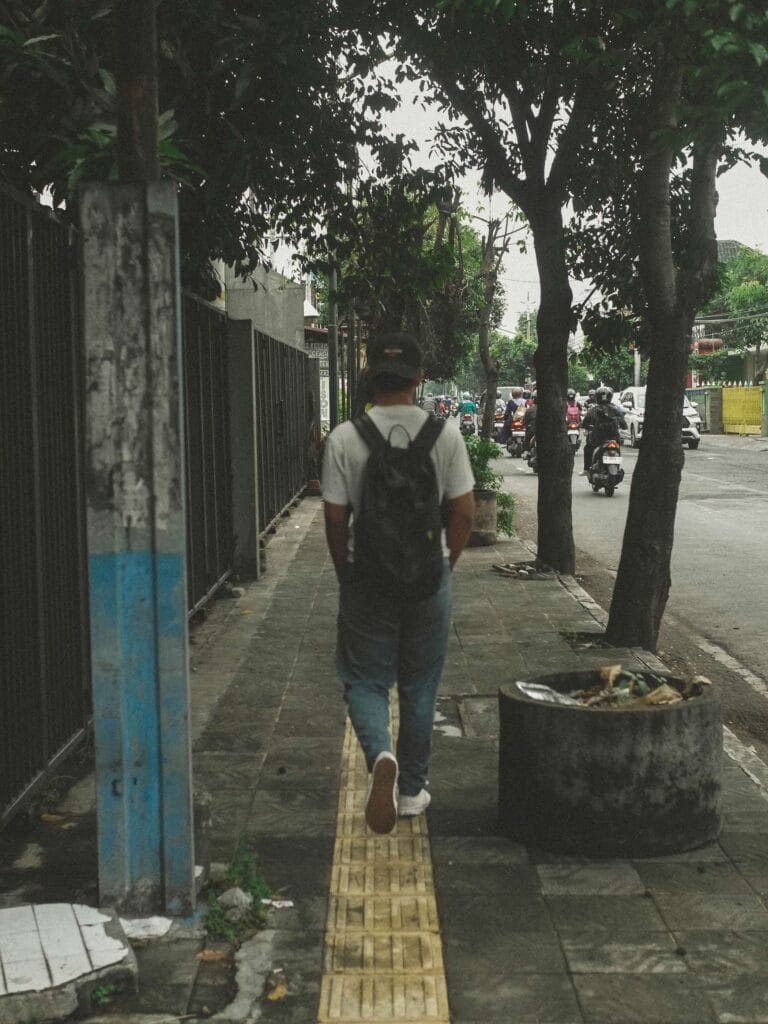

Now Reading: Mindful Walking for Anxiety Relief
-
01
Mindful Walking for Anxiety Relief
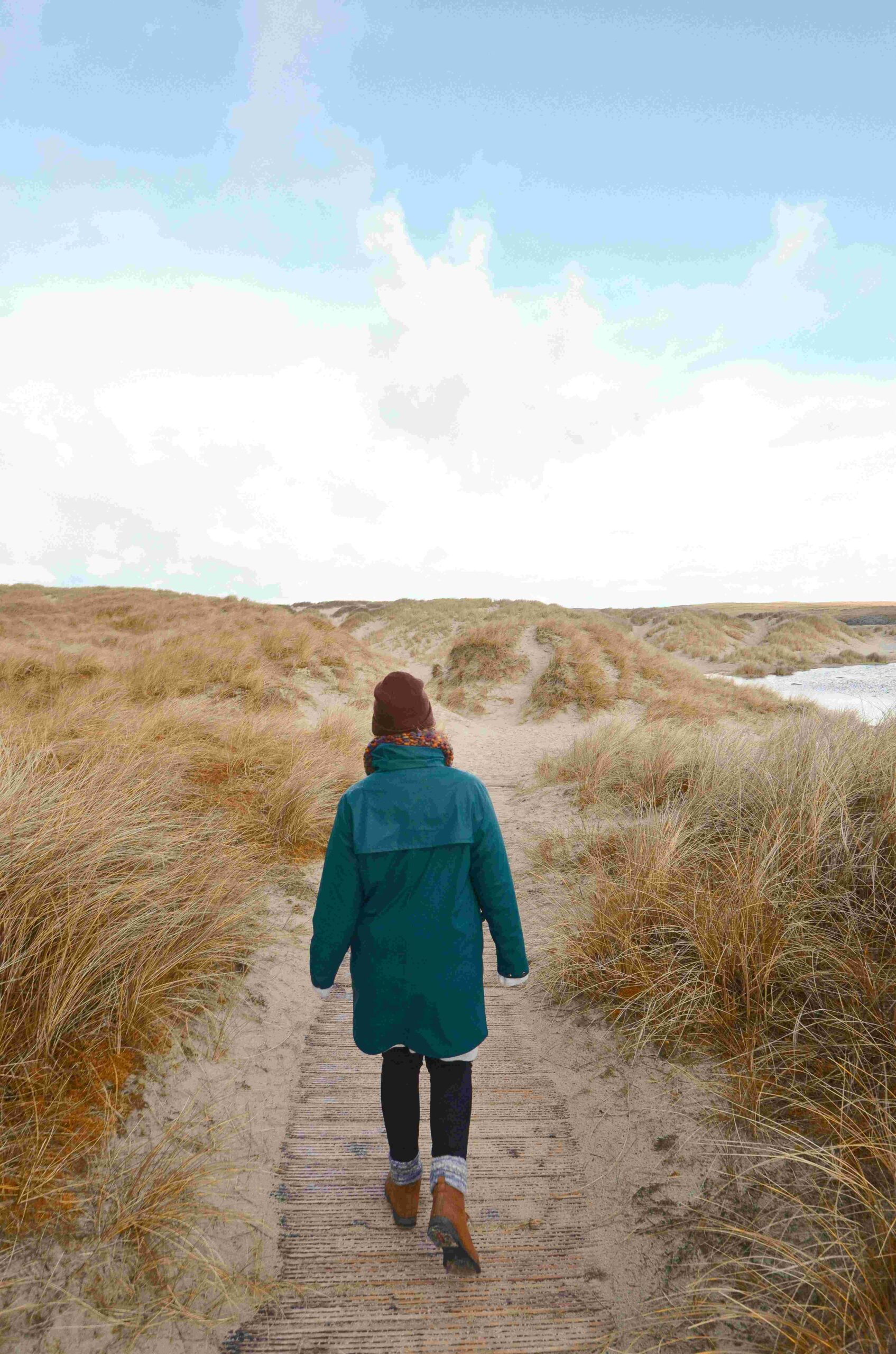
In our fast-moving world, it’s easy to feel anxious, distracted and unsettled. The good news is: you don’t need a big budget or lots of time to ease those feelings. Embracing mindful walking for anxiety relief offers a simple, accessible way to calm your mind, reconnect with your body and shift your mood for the better.
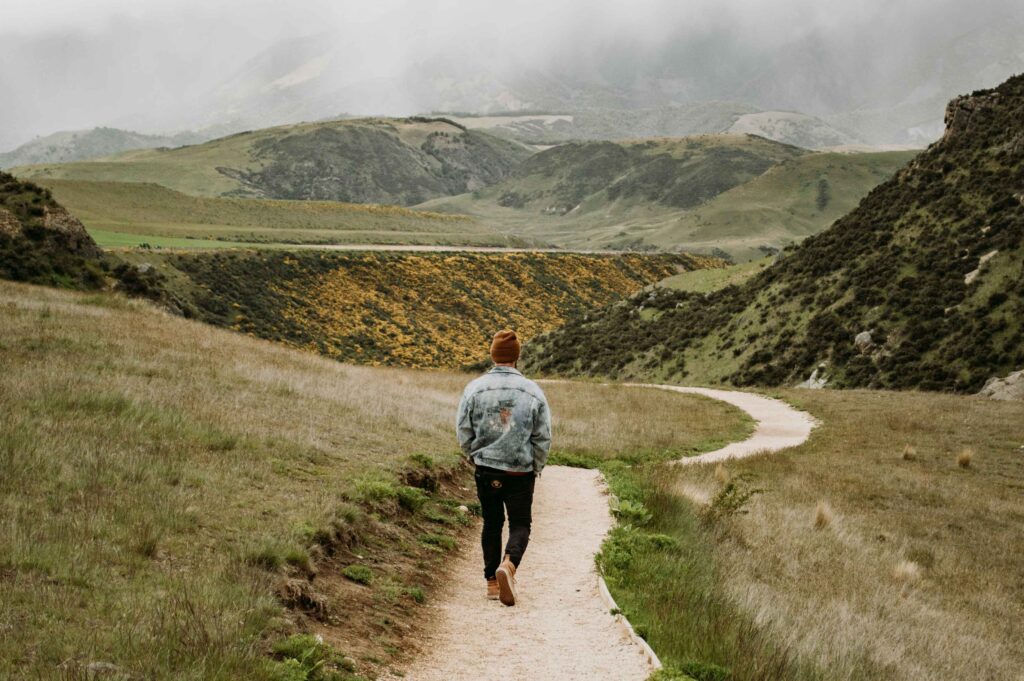
Why mindful walking matters
Anxiety shows up in many ways — racing thoughts, physical tension, restlessness or feeling overwhelmed. While therapy, medication and other supports are very important, movement can play a key role too. For example, research shows that higher levels of physical activity are associated with lower odds of anxiety symptoms. (BioMed Central)
Furthermore, walking specifically is a low-barrier, effective option. One review found that walking interventions can significantly reduce anxiety and depressive symptoms. (publichealth.jmir.org)
According to the NHS, even a short walk can help release feel-good hormones, reduce tension and support better sleep. (nhs.uk)
By combining walking with awareness — i.e., making it mindful — we amplify the benefits. That’s why mindful walking for anxiety relief becomes a powerful tool.
What is mindful walking?
Mindful walking means walking slowly enough to notice your body, breath, surroundings and internal state. You stay present. You aren’t racing to somewhere else or lost in your phone. Instead: you walk with intention, and you pay attention.
Here’s how you can think of it:
- Body scan: Attend to how your feet hit the ground, how your legs and hips feel, your breathing and posture.
- Sensory awareness: Notice the sounds around you, the temperature of the air, the smells, the rhythm of your steps.
- Mental noticing: When thoughts come (they will), you gently acknowledge them and bring your focus back to your walk.
- Purposeful pace: It doesn’t matter if you walk slowly. What matters is that you walk with presence.
By doing this, you merge movement and mindfulness — and you’re using walking not just for physical health, but for calming your mind.
How to practise mindful walking for anxiety relief
Here’s a simple step-by-step you can use (takes about 10-20 minutes, but feel free to adjust). Because we’re focusing on mindful walking for anxiety relief, let’s embed that phrase in your mindset as you practise it.
Step 1: Choose your path
Pick a safe, pleasant route. Maybe a quiet neighbourhood street, a park, or a garden. Try to minimise distractions.
Step 2: Set your intention
Before you start, say quietly to yourself: “I walk mindfully for anxiety relief.” It helps frame the moment.
Step 3: Begin walking slowly
Start by walking at a comfortable pace. As you walk, bring attention to your feet hitting the ground and your body’s movement.
Step 4: Check your posture and breath
Stand up tall, relax your shoulders, and let your arms swing naturally. Breathe in and out steadily. If your mind wanders, gently bring it back.
Step 5: Gently scan your senses
Notice what you hear (birds, cars, wind), what you feel (air on skin, your shoes on ground), smells, sights. Let each step anchor you.
Step 6: Notice thoughts and feelings
Thoughts about the day, anxious worries—they will pop up. Acknowledge them without judging, then return your focus to your walking and body.
Step 7: Finish with gratitude
At the end, pause. Take a deep breath. Say to yourself: “Thank you for this time of mindful walking for anxiety relief.” Reflect briefly on how you feel.
Step 8: Bring it into your day
You can do a brief version anytime—walk to the kitchen, the shop, up and down your street. Remember: the key is the mindful intention.
Why this works — the science behind it
Here’s how mindful walking helps with anxiety:
- Movement reduces stress hormones – When you walk, especially at a moderate pace, the body reduces cortisol (a stress hormone) and increases endorphins (feel-good chemicals). (nuffieldhealth.com)
- Breaks the cycle of rumination – Anxiety often features repetitive worrying. Walking shifts your focus from worry loops into present-moment body awareness. One study showed nature-based walking interventions reduced anxiety and rumination more than urban walking. (SpringerLink)
- Improves sleep and energy – Research from the NHS indicates that being active helps reduce tension and mental fatigue, boosts energy and improves sleep. (nhs.uk)
- Evidence-based for anxiety relief – A meta-analysis found walking interventions significantly reduced anxiety symptoms. (publichealth.jmir.org)
- Accessible and scalable – Unlike gym membership or expensive equipment, walking is free. As noted by Nuffield Health, even 10 minutes outdoors can improve mood and alertness. (nuffieldhealth.com)
In short: mindful walking for anxiety relief is not just a feel-good idea—it stands on solid evidence.
Tips to get the most out of your mindful walk
- Consistency beats intensity: A short daily walk with mindful intention helps more than occasional long walks.
- Find your favourite time: Maybe early morning when it’s quiet, or evening when you need to let go of the day.
- Use nature when possible: Trees, greenery, fresh air enhance the calming effects. Nature-based walking showed stronger benefits for anxiety. (SpringerLink)
- Minimise distractions: Leave headphones and phone behind or switch to “airplane mode” to stay present.
- Combine with other supports: Mindful walking complements therapy, breathing exercises or journalling—it’s not a replacement for professional care.
- Be kind to yourself: Some days your mind will wander more than others. That’s okay. The practice is noticing and returning with kindness.
- Track gently: You might note how you feel before and after your walk. It’s not about performance—just awareness.
Who benefits most?
- People experiencing high-worry states, excessive thinking or restlessness.
- Those who feel stuck in sedentary routines or spend long hours sitting—research shows high sedentary time increases anxiety risk. (BioMed Central)
- People looking for a practical, low-barrier way to support their mental health.
- Individuals who feel that formal exercise is too intense or unappealing—walking is gentle and adaptable.
Final thoughts
When you practise mindful walking for anxiety relief, you give yourself the permission to pause, to breathe, to reconnect. You turn a simple daily movement into a tool: one that realigns body and mind. Over time, these short walks become a habit of presence, calm and self-care.
Start small. Walk ten minutes. Notice. Breathe. Return. And as you do, you’ll build a habit that supports not just your mood but your overall well-being.
The path to relief doesn’t always require grand gestures. Sometimes it’s one mindful step after another.
By embracing the rhythm of your footsteps, the pulse of your breath and the invitation of the present moment, you use mindful walking for anxiety relief—and step into a gentler way of being.