

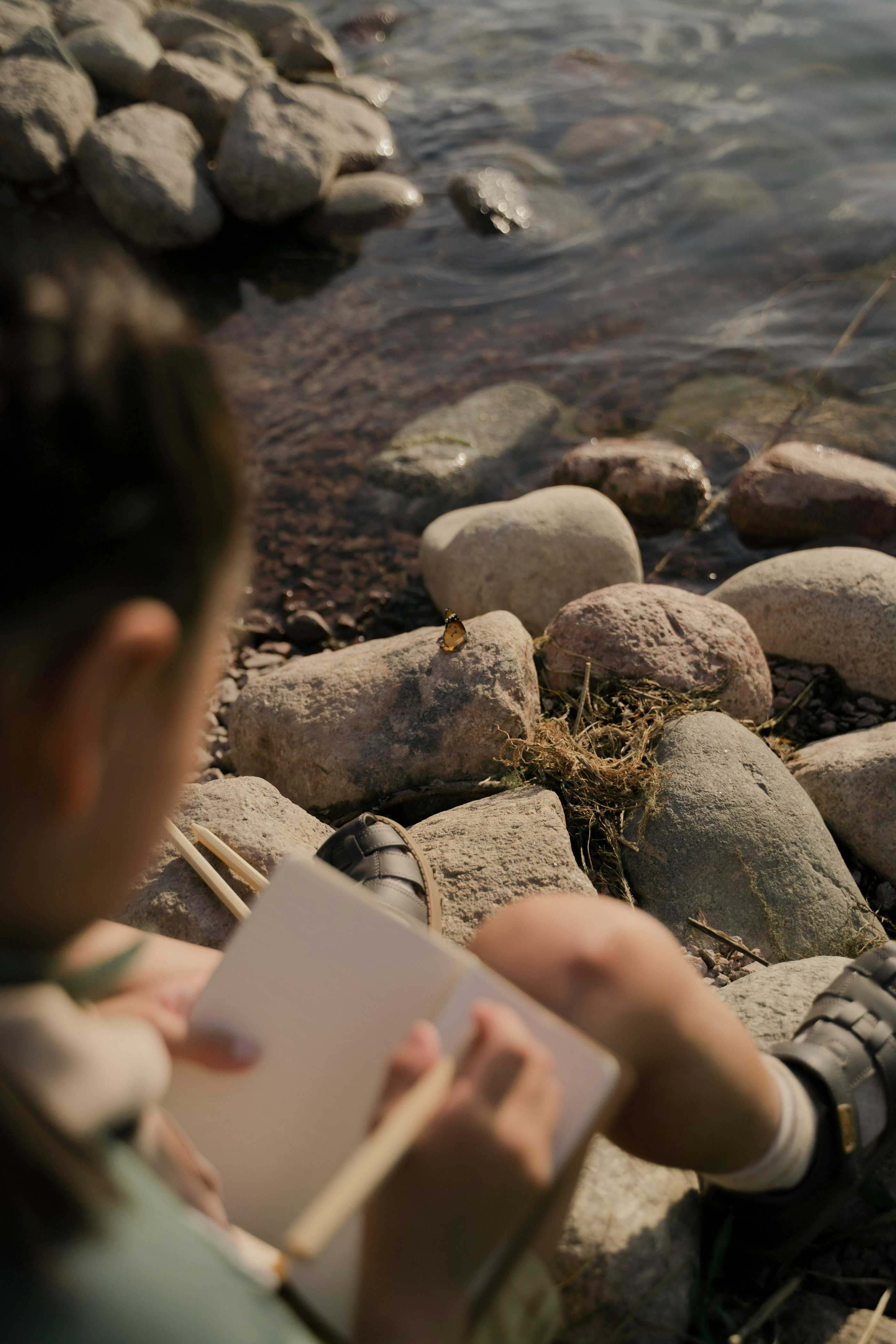
Journaling is more than putting words on paper. It is a gentle way to slow down, notice your emotions, and understand your inner world. Many people use therapeutic journaling techniques
Journaling is more than putting words on paper. It is a gentle way to slow down, notice your emotions, and understand your inner world. Many people use therapeutic journaling techniques

Anxiety affects millions of people around the world. The World Health Organization estimates that 301 million people lived with an anxiety disorder in 2019, and the number continues to rise
Emotions are a natural part of being human, but many people struggle to express what they feel. When emotions stay buried, they can create stress, anxiety, and even physical tension.

Self-care is more than a trend—it is a necessity in today’s fast-paced world. Many people feel overwhelmed, stressed, or disconnected from themselves, and they search for simple ways to improve
Journaling is a simple but powerful tool that helps people express emotions, reduce stress, and understand their thoughts. Many therapists encourage journaling because it supports emotional awareness and mental clarity.

Journaling for mental health has become one of the easiest and most effective self-care habits people can practice at home. Many individuals face stress, anxiety, and emotional overwhelm in their
Journaling is more than writing thoughts on paper. It is a simple practice that helps your mind slow down, understand emotions, and process daily stress. Many people use journaling to

Anxiety affects millions of people every day, often leaving them overwhelmed, restless, or mentally drained. In the United States alone, anxiety disorders impact 19.1% of adults each year, according to