
Now Reading: Tai Chi Walking Benefits: Why This Gentle Practice Strengthens Mind and Body
-
01
Tai Chi Walking Benefits: Why This Gentle Practice Strengthens Mind and Body

Life today can feel rushed. Many of us spend hours sitting and dealing with stress, anxiety, and tension. The World Health Organization (WHO) says that one in four adults worldwide does not get enough physical activity. We need easy, lasting ways to move that help both our bodies and minds.

This is where tai chi walking shines. It can improve balance, reduce stress, help posture, and bring emotional calm. Unlike tough workouts, tai chi walking is slow, mindful, and gentle, but it can still make a big difference. In this guide, we’ll look at the benefits in detail and show you how to get started safely.
What Is Tai Chi Walking?
Tai chi walking is a slow, mindful way to move, rooted in traditional Tai Chi. Unlike regular walking, it focuses on careful steps, steady breathing, and good posture.
When you do tai chi walking, you move with purpose. You shift your weight slowly from one foot to the other and match your breath to your steps. This focus offers benefits beyond regular cardio exercise.
The benefits of tai chi walking come from this mind-body connection. You are not just moving; you are truly paying attention.
How Tai Chi Walking Works
Tai chi walking combines movement with awareness of your breath. Each step needs balance, control, and good alignment.
This coordination helps activate the parasympathetic nervous system, which helps you relax. At the same time, the slow movements build muscle strength and improve how your joints move.
Since tai chi walking benefits your nervous system, muscles, and joints, it supports your overall health.
Physical Tai Chi Walking Benefits
Let’s look at the main physical benefits of tai chi walking that research supports.
1. Improved Balance and Stability
One of the best-studied benefits of tai chi walking is betterance. Studies show that tai chi can lower the risk of falls in older adults.
The Centers for Disease Control and Prevention (CDC) recognizes tai chi as a good way to prevent falls. Since tai chi walking focuses on shifting your weight and taking careful steps, it helps strengthen the muscles that keep you steady.
Having better balance means you are less likely to get hurt and can move with more confidence each day.
2. Joint-Friendly, Low-Impact Exercise
Many people skip exercise because their joints hurt. Tai chi walking is gentle and does not put extra strain on your knees or hips.
Unlike running or other high-impact workouts, tai chi walking keeps your feet close to the ground. This puts less stress on your joints but still helps with circulation and flexibility.
For people recovering from injuries or dealing with arthritis, tai chi walking is a safe option.
3. Muscle Strength and Flexibility
Moving slowly does not mean you are not getting stronger. Tai chi walking can improve muscle tone, especially in your legs and core.
When you shift your weight slowly, your muscles have to work harder to keep you steady. Over time, this builds real strength and flexibility.
4. Weight Management Support
Tai chi walking might not burn calories as fast as intense cardio, but it helps you stay active in a way you can keep up. Being consistent is more important than working out hard.
By helping you move every day, tai chi walking can boost your metabolism and help you manage your weight over time.
The National Institutes of Health (NIH) highlights tai chi as a moderate-intensity activity that supports overall health.
Mental and Emotional Tai Chi Walking Benefits
Physical health is just one part of the picture. Tai chi walking also brings important mental and emotional benefits.
1. Stress Reduction
Stress triggers the fight-or-flight response. Tai chi walking helps slow your breathing and movements, which tells your brain that you are safe.
Research shows that tai chi may lower stress and lift your mood. Because the practice is mindful, it helps your nervous system work better.
Practicing regularly can help you react less to stress and feel calmer.
2. Anxiety and Mood Support
Since tai chi walking helps you pay attention to your breath, it can ease anxiety. You focus on each step instead of worrying about what’s next.
This grounding effect helps you stay emotionally balanced. Many people say they feel clearer and more centered after just 15 minutes.
3. Improved Focus and Mental Clarity
Tai chi walking takes focus. You need to pay attention to your posture, your breath, and how you move.
This kind of focus can help your mind work better. Tai chi walking can make you more aware and help you stay in the moment.
Tai Chi Walking Benefits in Addiction Recovery
Stress and emotional triggers can often lead to substance use. Learning to manage these triggers is important for recovery.
The Substance Abuse and Mental Health Services Administration (SAMHSA) emphasizes the importance of healthy coping skills. Tai chi walking benefits include emotional regulation and increased awareness of cravings.
When people practice tai chi walking, they learn to notice their urges without acting on them. Taking this mindful pause can help prevent relapse.
Tai chi walking helps people in recovery by creating routine, structure, and self-discipline.
How to Practice Tai Chi Walking (Step-by-Step)
You can start enjoying the benefits of tai chi walking with a few simple steps.
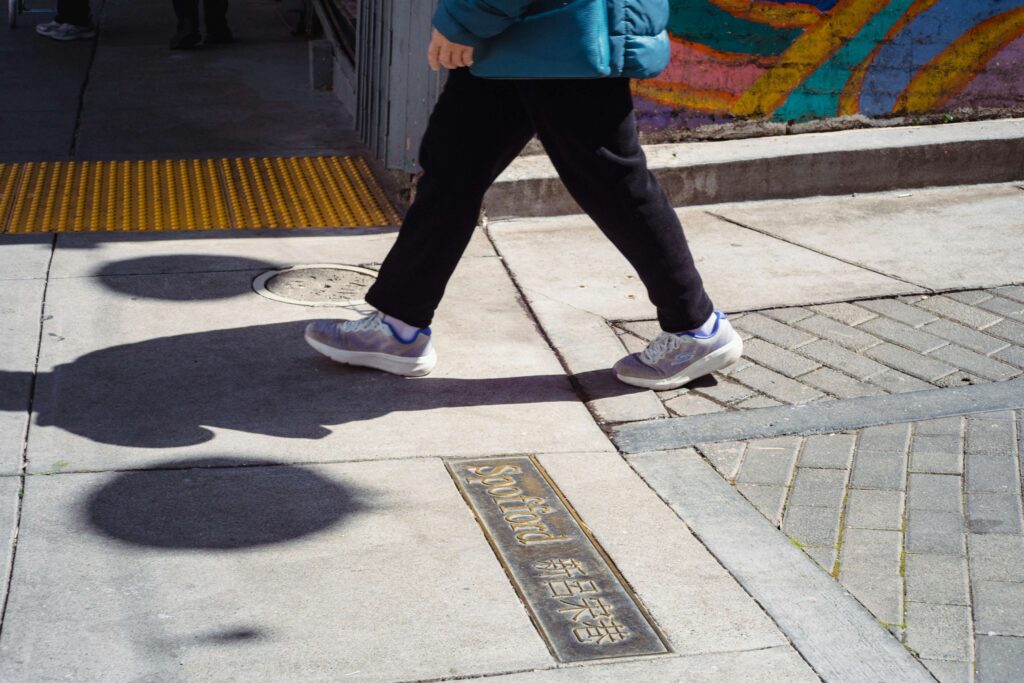
- Stand tall with feet shoulder-width apart.
- Relax your shoulders and bend your knees slightly.
- Slowly shift your weight to one leg.
- Step forward gently with the other foot.
- Coordinate each step with slow, steady breathing.
Move slowly and pay attention to each shift in your balance. Try starting with 10 to 15 minutes each day.
How Often Should You Practice?
If you are just starting, practicing three or four times a week is enough to notice the benefits of tai chi walking.
Older adults or people dealing with stress may find daily sessions helpful. Even short sessions can make a difference if you practice regularly.
Who Should Try Tai Chi Walking?
Tai chi walking benefits people of all ages.
- Seniors seeking better balance
- Individuals with joint pain
- People experiencing stress or burnout
- Beginners starting a fitness journey
Because tai chi walking is gentle and easy to adapt, almost anyone can try it safely.
Are There Any Risks?
Tai chi walking is usually safe. But if you have serious balance problems, check with your healthcare provider before starting.
Move slowly and do not push past what feels comfortable. The benefits of tai chi walking build up over time with regular practice.
Final Thoughts on Tai Chi Walking Benefits
Tai chi walking offers more than just physical fitness. It helps build muscle, calms your nervous system, and supports emotional strength.
With so much rushing and constant stimulation in our lives, slow and mindful walking can be a powerful way to care for yourself.
If you want a gentle, lasting practice that supports both your body and mind, tai chi walking might surprise you with its benefits.
Watch: Tai Chi for Health (NIH Overview)
For a trusted overview of tai chi and health, watch this educational video from George Thompson :
References
- World Health Organization (WHO). Physical Activity Fact Sheet.
https://www.who.int/news-room/fact-sheets/detail/physical-activity - National Center for Complementary and Integrative Health (NCCIH). Tai Chi: What You Need to Know.
https://www.nccih.nih.gov/health/tai-chi-what-you-need-to-know - Centers for Disease Control and Prevention (CDC). Fall Prevention.
https://www.cdc.gov/falls/prevention/index.html - Substance Abuse and Mental Health Services Administration (SAMHSA). Recovery Resources.
https://www.samhsa.gov/find-help/recovery