

Now Reading: Vitamins for Anxiety: A Supportive Guide for Calm and Recovery
-
01
Vitamins for Anxiety: A Supportive Guide for Calm and Recovery
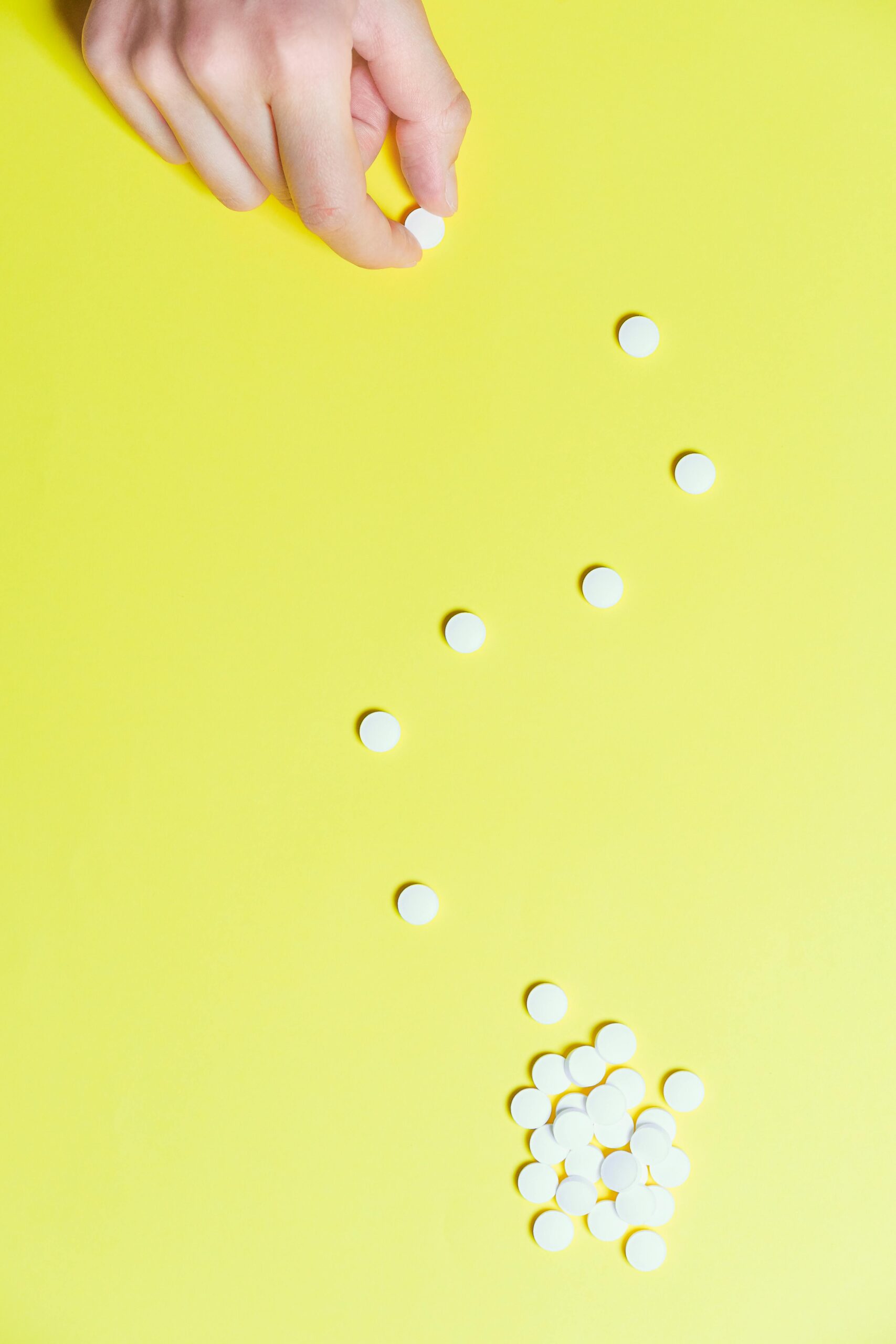
Anxiety affects millions of people every year. It can show up as racing thoughts, tight muscles, poor sleep, or constant worry. Many people searching for relief look toward vitamins for anxiety as a gentle, supportive option.

This article covers how vitamins for anxiety may help, which nutrients have the most research behind them, and how to use them safely, especially for those interested in mindfulness and substance-use recovery.
Why People Look for Vitamins for Anxiety
Anxiety rates continue to rise. According to the National Institute of Mental Health, nearly 31% of U.S. adults experience an anxiety disorder at some point in life (NIMH).
Stress, trauma, and substance use can drain key nutrients from the body. Because of this, vitamins for anxiety often appeal to people seeking support without heavy medication or substances that may affect recovery.
How Vitamins Can Support Anxiety
Anxiety impacts the nervous system, brain chemistry, and stress hormones. While vitamins cannot cure anxiety, they can help support the body systems that affect mood.
Research from the National Institutes of Health (NIH) shows that nutrient deficiencies can affect neurotransmitters like serotonin and GABA, which play a role in anxiety (NIH Office of Dietary Supplements).
For this reason, vitamins for anxiety are best used as support tools, not as substitutes for therapy or medical care.
What to Know Before Using Vitamins for Anxiety
Before starting vitamins for anxiety, it is important to keep expectations realistic.
- Supplements are not regulated like prescription drugs.
- Dosage matters
- Individual responses vary
- Interactions can occur, especially during recovery.
Anyone in substance-use recovery should talk to a healthcare provider before adding supplements.
Best Vitamins for Anxiety (Science-Backed Options)
These vitamins for anxiety have the strongest research support and safety profiles.
1. B Vitamins (B-Complex)
B vitamins support the nervous system and help the brain manage stress. Deficiency in B vitamins is linked to mood changes and fatigue.
Key B vitamins for anxiety include:
Vitamin B1 (Thiamine)
Supports nerve signaling and brain energy.
Vitamin B6 (Pyridoxine)
Helps produce serotonin and GABA, which promote calm.
Vitamin B9 (Folate)
Supports emotional regulation and brain health.
Vitamin B12 (Cobalamin)
Low levels link to anxiety and depression symptoms.
A study published in Nutrients found that people with low B-vitamin levels showed higher stress and anxiety scores.
2. Vitamin D
Vitamin D plays a role in mood and immune regulation. Low levels often appear in people with anxiety and depression.
The NIH reports that vitamin D deficiency affects nearly 42% of U.S. adults (NIH). Research suggests that vitamin D supplementation may reduce anxiety symptoms in individuals with vitamin D deficiency.
Among vitamins for anxiety, vitamin D stands out for its wide impact on mental health.
3. Vitamin C
Vitamin C supports the stress response and helps regulate cortisol, the body’s main stress hormone.
A clinical study published in Pakistan Journal of Biological Sciences found that vitamin C supplementation reduced anxiety scores in high-stress groups.
Vitamin C also helps the immune system, which can be especially important for people in recovery.
4. Magnesium
Magnesium helps relax muscles and calm the nervous system. Many people with anxiety show low magnesium intake.
According to the NIH, magnesium plays a role in over 300 enzymatic reactions, including those involved in nerve function (NIH Magnesium Fact Sheet).
Magnesium often appears alongside vitamins for anxiety because it supports sleep and relaxation without sedating effects.
5. Omega-3 Fatty Acids
Omega-3s support brain structure and reduce inflammation. Inflammation links to anxiety and mood disorders.
A meta-analysis published in JAMA Network Open found omega-3 supplementation reduced anxiety symptoms, especially in people with clinical anxiety.
Although not a vitamin, omega-3s often complement vitamins for anxiety.
Minerals That Work With Vitamins for Anxiety
Some minerals enhance the effects of vitamins for anxiety.
- Zinc: Supports neurotransmitter balance
- Iron: Deficiency may increase anxiety symptoms
- Selenium: Supports antioxidant defense
Testing before supplementation is best, especially in recovery.
Supplements to Be Careful With
Not all supplements support anxiety or recovery.
Avoid or use caution with:
- High-dose caffeine products
- Stimulant-based supplements
- Unregulated herbal blends
The FDA warns that supplements may interact with medications and mental health conditions (FDA Dietary Supplements).
Vitamins for Anxiety vs Other Anxiety Treatments
Vitamins for anxiety work best when combined with other supports.
Therapy and Mindfulness
Cognitive behavioral therapy (CBT), meditation, and breathwork show strong evidence for anxiety relief.
Prescription Medications
Medication may be necessary for moderate to severe anxiety. Vitamins for anxiety should not replace prescribed treatment.
The American Psychiatric Association emphasizes combined care for best outcomes (APA).

How to Get Started With Vitamins for Anxiety Safely
Start gently and stay mindful.
- Choose third-party tested supplements.
- Start with low doses.
- Track sleep, mood, and anxiety
- Consult a professional
This approach supports both wellness and recovery goals.
When Vitamins for Anxiety Are Not Enough
Seek professional help if anxiety includes:
- Panic attacks
- Substance-use triggers
- Severe avoidance
- Suicidal thoughts
Support is a strength, not a failure.
Helpful Video Resource
The National Institute of Mental Health (NIMH) offers reliable education on anxiety and treatment options.
📺 YouTube Video:
Final Thoughts
Vitamins for anxiety can support calm, especially when stress or deficiency plays a role. They work best as part of a whole-person approach that includes mindfulness, therapy, nutrition, and recovery-focused care.
There is no single solution for anxiety. With patience, guidance, and compassion, supportive tools like anxiety vitamins can help create a steadier foundation.
References
- National Institute of Mental Health – Anxiety Disorders
https://www.nimh.nih.gov - National Institutes of Health – Dietary Supplements
https://ods.od.nih.gov - Centers for Disease Control and Prevention – Mental Health
https://www.cdc.gov - American Psychiatric Association – Anxiety Treatment
https://www.psychiatry.org - JAMA Network Open – Omega-3 and Anxiety
https://jamanetwork.com