
Now Reading: Yoga Poses for Mental Health
-
01
Yoga Poses for Mental Health
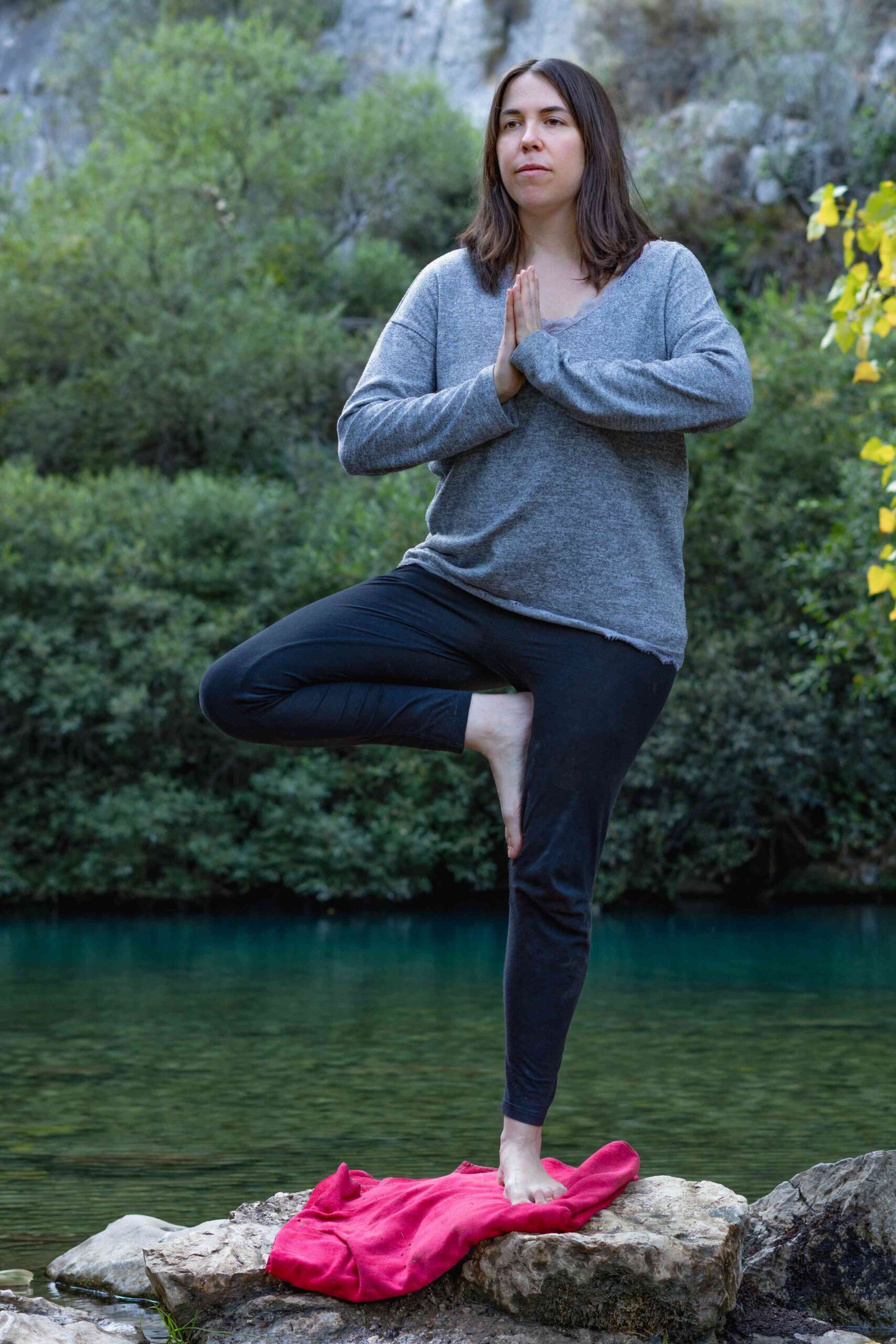
Mental health challenges can shape how we think, feel, and go about our daily lives. Stress, anxiety, depression, and feeling overwhelmed are common, especially for those practicing mindfulness or recovering from substance use. Yoga is a gentle, accessible tool that more people are turning to. When practiced with care, yoga poses for mental health can help balance emotions, calm the nervous system, and boost well-being.
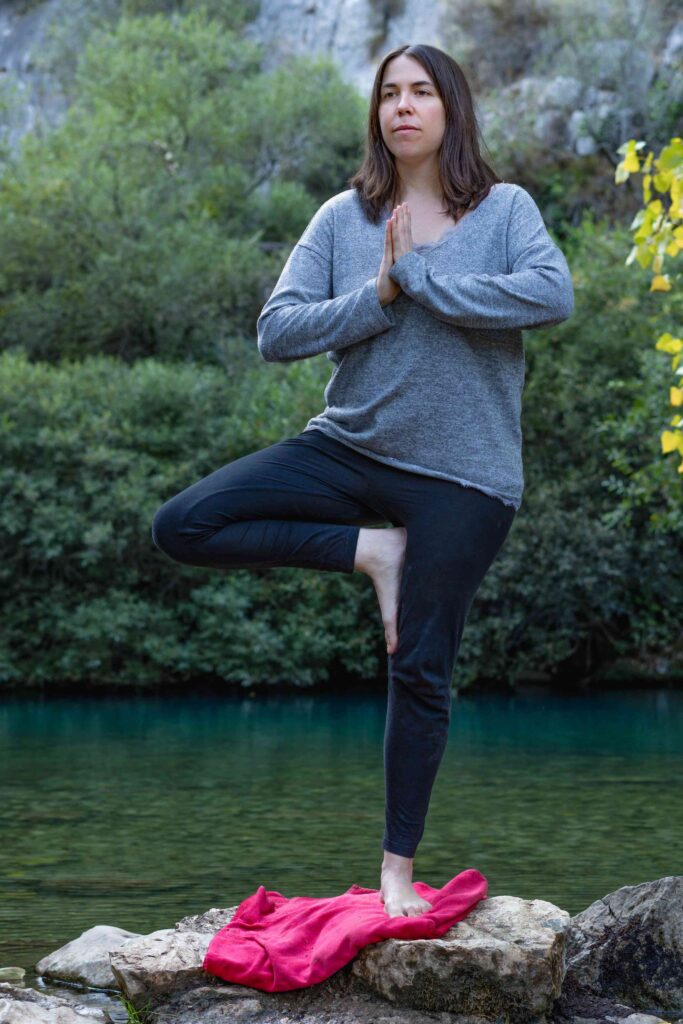
Yoga does not replace therapy or medical care. But when used with professional support, yoga poses for mental health can help people feel more grounded, present, and connected to their bodies.
Can Yoga Improve Mental Health?
Research shows that yoga can help mental health by lowering stress hormones and supporting emotional balance. A review in Frontiers in Psychiatry found that yoga may reduce symptoms of anxiety, depression, and stress by affecting the nervous system and stress response (https://www.frontiersin.org).
Yoga poses for mental health help by slowing the breath, building body awareness, and creating a sense of safety. These benefits are especially useful for people recovering from substance use, where managing emotions is important.
Why Yoga Helps Mental Health and Recovery
Yoga links the body and mind through movement and breathing. This connection helps calm the part of the nervous system that controls stress.
For those recovering from substance use, yoga poses for mental health can help with impulse control, lower cravings, and build emotional awareness. The National Institutes of Health says mind–body practices like yoga may reduce stress and improve mental well-being (https://www.nccih.nih.gov).
A Note on Safety and Mindfulness
Yoga should feel safe and supportive. Use props, take breaks, and skip any pose that causes pain or discomfort. Trauma-informed yoga emphasizes choice and body awareness rather than pushing through discomfort.
Yoga poses for mental health work best when done gently, paying attention to your breath and how you feel inside.
How to Use Yoga for Mental Health
Being consistent is more important than practicing intensely. Short daily sessions often help more than long, occasional ones.
Focus on slow movements and deep breathing. Pairing yoga poses for mental health with mindful breathing increases their calming effect and supports nervous system regulation.
Best Yoga Poses for Mental Health
The following yoga poses for mental health are chosen for their calming, grounding, and restorative qualities.
Child’s Pose (Balasana)
Child’s Pose gently stretches the back and hips and helps the nervous system feel safe. It encourages rest and self-reflection.
This pose is especially helpful when you feel overwhelmed, anxious, or emotionally tired. Resting your forehead on the mat or a cushion makes it even more calming.
Cat–Cow Pose (Marjaryasana–Bitilasana)
Cat–Cow links breath with movement, making it ideal for stress relief. Gentle spinal motion releases tension in the back and neck.
This pose helps with emotional release and body awareness. It is often recommended as a basic yoga pose for mental health.
Standing Forward Bend (Uttanasana)
Standing Forward Bend helps you feel grounded and encourages self-reflection. The forward fold calms the mind and quiets mental chatter.
Bending the knees slightly protects the lower back. This pose helps ease anxiety and stress-related tension.
Downward Facing Dog (Adho Mukha Svanasana)
Downward-Facing Dog wakes up the body and calms the mind. It boosts blood flow and helps you think more clearly.
This pose may feel intense for some people. Modify by bending the knees or using blocks to maintain comfort and safety.
Seated Forward Bend (Paschimottanasana)
Seated Forward Bend helps you be still and focus inward. It gently stretches your spine and hamstrings, helping you relax.
This yoga pose for mental health supports emotional processing and quiet reflection.
Legs Up the Wall (Viparita Karani)
Legs Up the Wall is a powerful yoga pose for mental health. It activates the part of the nervous system that helps you rest and recover.
Research shows that restorative poses can lower heart rate and stress, helping with relaxation and sleep (https://www.ncbi.nlm.nih.gov). This pose is great before bed or when you feel burned out.
Reclining Bound Angle Pose (Supta Baddha Konasana)
This restorative pose opens the chest and hips while encouraging deep relaxation. Using props under the knees and back increases comfort.
People often use this pose for emotional release and stress relief, making it a valuable yoga pose for mental health.
Supine Spinal Twist (Supta Matsyendrasana)
Supine twists help release physical and emotional tension. They support digestion and calm the nervous system.
This pose is helpful after stressful days or during emotional processing.
Easy Pose (Sukhasana)
Easy Pose is a simple seated position used for meditation and breathwork. It supports mindfulness and emotional awareness.
When you add slow breathing, this pose becomes a foundation for many yoga practices that support mental health.
Corpse Pose (Savasana)
Savasana lets your body and mind absorb the benefits of your practice. Rest is important for mental health and recovery.
Many people find stillness hard, but learning to rest without feeling guilty is an important part of healing.
Yoga Poses for Anxiety vs Depression
Grounding and forward-folding poses often help with anxiety, while gentle backbends and energizing movements may help with depression.
Choose yoga poses for mental health based on how they feel to you in the moment. Your choice and self-awareness are important.
Yoga and Substance Abuse Recovery
Yoga helps with recovery by building body awareness and emotional control. It teaches you to notice sensations and emotions without reacting right away.
A study in the Journal of Substance Abuse Treatment found that yoga may lower stress and improve mood for people recovering from substance use disorders (https://www.sciencedirect.com). This makes yoga poses for mental health a valuable extra support.
How Often Should You Practice Yoga for Mental Health?
Doing yoga poses for mental health three to five times a week can help. Even 10 to 20 minutes per session can make a difference.
Being consistent helps you build trust with your body and mind over time.
Common Mistakes to Avoid
Don’t force poses or compare yourself to others. Yoga is not about performance.
Don’t use yoga to hide your emotions. Let your feelings come up naturally, and get professional help if you need it.
When Yoga Is Not Enough
Yoga supports mental health, but it cannot replace therapy, medication, or medical care. Seek professional support for persistent or severe symptoms.
Yoga poses for mental health work best when they are part of a complete care plan.
Trusted Video Resource
The Mayo Clinic shares guidance on yoga and stress reduction in this educational video:
Conclusion
Yoga is a gentle and accessible way to support emotional well-being. With mindful movement and breathing, yoga poses for mental health can calm the nervous system, lower stress, and help with recovery.
When practiced with compassion and consistency, yoga becomes a valuable tool alongside professional mental health and substance abuse care.
References
- National Center for Complementary and Integrative Health – Yoga and mental health
https://www.nccih.nih.gov - Frontiers in Psychiatry – Yoga and stress reduction
https://www.frontiersin.org - National Center for Biotechnology Information – Restorative yoga and relaxation
https://www.ncbi.nlm.nih.gov - Journal of Substance Abuse Treatment – Yoga in recovery
https://www.sciencedirect.com - Mayo Clinic – Stress management and mind–body practices
https://www.mayoclinic.org