

Now Reading: Foods That Help With Depression and Anxiety
-
01
Foods That Help With Depression and Anxiety

Depression and anxiety are common, and many seek gentle support for mental health. While therapy and medication help many, nutrition matters too. Studies show your diet can affect mood, stress, and emotional balance.

This article looks at foods that may help with depression and anxiety, explains how they work, and offers simple ways to add them to your diet. Food alone is not a cure, but it can be a helpful part of caring for your mental health.
How Nutrition Affects Mental Health
Your brain needs a steady supply of nutrients to function well. Vitamins, your brain needs a regular supply of nutrients to work well. Vitamins, minerals, healthy fats, and antioxidants help make chemicals like serotonin and dopamine, which affect mood and motivation. Without these nutrients, your emotional health can be affected. Those who followed healthier dietary patterns had a 25–35% lower risk of depression compared to those who consumed highly processed diets (https://www.thelancet.com). This highlights why focusing on foods that help with depression and anxiety matters.
The Gut-Brain Connection
The gut and brain are always in touch through the gut-brain axis. Gut bacteria help make neurotransmitters and lower inflammation. In fact, about 90% of serotonin is made in the gut, not the brain (https://www.ncbi.nlm.nih.gov/pmc/articles/PMC6469458/).
Many foods that help with depression and anxiety also support gut health by providing fiber, fermented foods, and healthy fats that feed good bacteria and help keep your mood steady.
Foods That Help With Depression and Anxiety
These foods support your brain, lower inflammation, and help balance your mood. Including a variety of them in your meals can make a positive, long-term difference.
Leafy Green Vegetables
Spinach, kale, and Swiss chard are packed with folate and magnesium. Folate helps the brain produce neurotransmitters related to mood, while magnesium aids in regulating stress. A study in Psychiatry Research found that low folate is linked to more depression (https://pubmed.ncbi.nlm.nih.gov/21982471/). These greens also help lower inflammation, offering multiple brain-supporting effects.
Berries
Blueberries, strawberries, and raspberries are full of antioxidants, which help prevent brain cell damage tied to depression and anxiety. Antioxidants also support brain signaling, memory, and emotional health, so eating berries regularly may protect against mood swings.
Fatty Fish (Salmon and Sardines)
Fatty fish like salmon and sardines are rich in omega-3s. Omega-3s play a key role in building brain cell membranes and regulating inflammation. Research in Translational Psychiatry found that people with depression often have lower omega-3 levels (https://www.nature.com). Fatty fish are some of the best-studied foods for supporting mood.
Turkey
Turkey has tryptophan, an amino acid your body uses to produce serotonin. Higher serotonin production supports a steady mood and good sleep, both of which are important for mental health.
Avocado
Avocados provide healthy fats that nourish brain cells and B vitamins that help manage your body’s stress responses. These nutrients combine to support the nervous system and contribute to emotional balance.
Mushrooms
Mushrooms provide vitamin D, which helps regulate mood-related brain chemicals, and antioxidants, which protect the brain from inflammation. A review in The British Journal of Psychiatry found that low vitamin D is linked to more depression (https://www.cambridge.org). Eating mushrooms may support your immune system and mood.
Tomatoes
Tomatoes contain lycopene, an antioxidant linked to reduced inflammation, which plays a role in mood disorders. This makes tomatoes a helpful addition to foods supporting mental health.
Brazil Nuts
Brazil nuts are high in selenium, a mineral your brain uses to help regulate mood-related neurotransmitters. A study in the Journal of Nutrition found that low selenium is linked to more anxiety and depression (https://academic.oup.com). Just one or two Brazil nuts daily can help keep selenium levels healthy.
Walnuts
Walnuts give you plant-based omega-3s and antioxidants. Studies suggest that eating nuts regularly helps your brain and supports emotional balance. Carrots
Carrots are full of beta-carotene, an antioxidant that helps neutralize oxidative stress in the brain. The journal Nutrients found that people who eat more beta-carotene have fewer symptoms of depression (https://www.mdpi.com).
Milk and Yogurt
Milk and yogurt give you calcium, vitamin D, and probiotics. Calcium and vitamin D are key for nerve and brain function, and probiotics can improve gut bacteria, which in turn may reduce anxiety.
Coffee (In Moderation)
Drinking coffee in moderation is linked to a lower risk of depression. Moderate caffeine intake prompts the release of mood-boosting brain chemicals. A Harvard study found that people who had 2–3 cups a day had a 15% lower risk (https://www.hsph.harvard.edu). Too much caffeine, though, can increase anxiety.
Clams and Mussels
These shellfish are rich in zinc, iron, and vitamin B12. These nutrients support energy production and neurotransmitter synthesis, which are important for preventing fatigue and low mood.
Hydration and Mental Health
People often forget about hydration, but it’s important for your mood. Even mild dehydration can raise stress hormones and anxiety. A study in The Journal of Nutrition found that being dehydrated can hurt your mood and focus (https://academic.oup.com). Research supports brain clarity and emotional stability, complementing foods that help with depression and anxiety.
Foods to Avoid If You Have Depression and Anxiety
Some foods can worsen Certain foods can make symptoms worse and upset your emotional balance. Processed foods increase inflammation and disrupt gut bacteria. Research in Public Health Nutrition links ultra-processed food intake to higher depression risk (https://www.cambridge.org).
Alcohol
Alcohol might seem to help at first, but it can make anxiety and depression worse over time. The National Institute on Alcohol Abuse and Alcoholism says alcohol raises the risk of mood problems and can get in the way of treatment (https://www.niaaa.nih.gov).
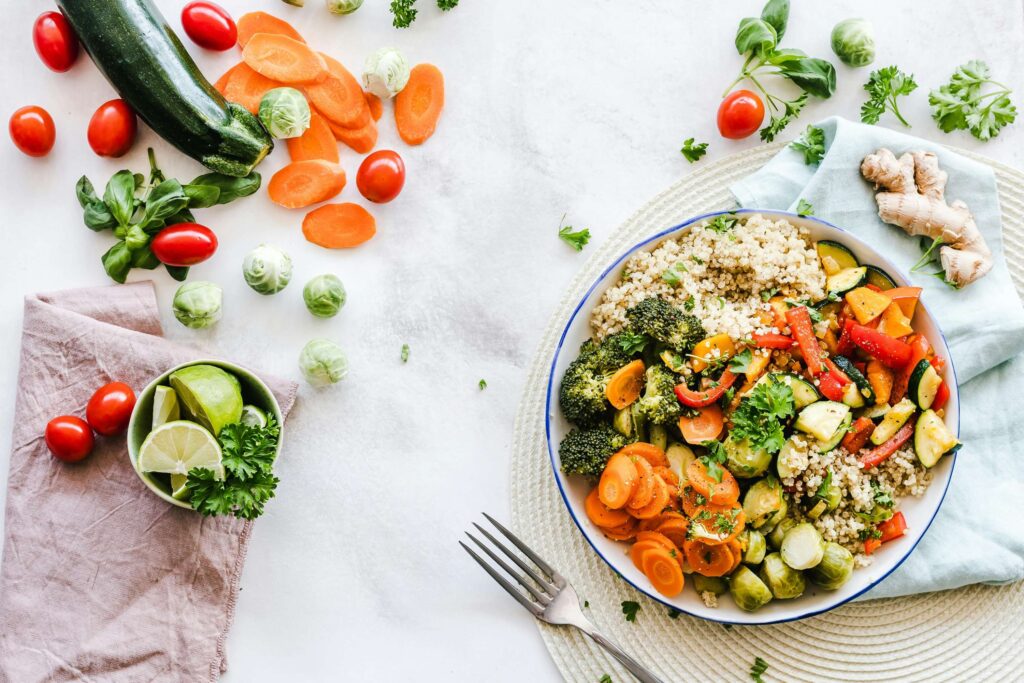
Making Lasting Changes in Your Diet
Aim for progress, not perfection. Try adding one or two helpful foods each week. Simple changes, like picking whole foods instead of processed snacks, can lead to lasting habits.
If you’re on a budget, try frozen veggies, canned fish, or seasonal produce. Being consistent is more important than following strict rules.
When to Seek Professional Support
Nutrition supports mental health, but it does not replace professional care. If symptoms persist, seek support from a therapist, doctor, or mental health professional. Combining treatment, lifestyle changes, and supportive foods offers the best outcomes.
Trusted Video Resource
Harvard T.H. Chan School of Public Health explains nutrition and mental health in this educational video:
Conclusion
Take action by gradually including more of these supportive foods in your diet, and seek professional mental health support if you need it. By making mindful, consistent changes to your nutrition and self-care, you can make a meaningful impact on your mental health over time.
References
- The Lancet Psychiatry – Diet and depression risk
https://www.thelancet.com - National Center for Biotechnology Information – Gut-brain axis
https://www.ncbi.nlm.nih.gov/pmc/articles/PMC6469458/ - Harvard T.H. Chan School of Public Health – Nutrition and mental health
https://www.hsph.harvard.edu - Journal of Nutrition – Selenium and mood
https://academic.oup.com - Public Health Nutrition – Ultra-processed foods and depression
https://www.cambridge.org - National Institute on Alcohol Abuse and Alcoholism – Alcohol and mental health
https://www.niaaa.nih.gov