

Now Reading: Scapular Depression Exercises: Build Strong and Stable Shoulders
-
01
Scapular Depression Exercises: Build Strong and Stable Shoulders

Scapular depression exercises are simple yet powerful movements that build shoulder stability, improve posture, and reduce tension. Many people carry stress in their neck and shoulders, especially those in recovery or mindfulness practices. When shoulders remain tense and lifted, pain and stiffness often follow.

Scapular depression exercises teach your shoulder blades to move down and stay stable. This movement supports calm, controlled strength and helps you reconnect with your body safely. For people in substance abuse recovery, slow and mindful movement supports physical healing and nervous system regulation.
What Is Scapular Depression?
Scapular depression is the downward movement of the shoulder blades. When you depress your scapulae, you gently pull your shoulders away from your ears. This movement activates deep stabilizing muscles instead of overusing the neck.
Many people unknowingly stay in scapular elevation, meaning the shoulders remain lifted. Over time, this pattern increases neck strain and shoulder pain. Scapular depression exercises help restore balance and proper shoulder mechanics.
Why Scapular Depression Exercises Matter
Scapular depression exercises play a key role in shoulder health. Research shows that poor scapular control increases the risk of shoulder injuries and chronic pain. A study in the Journal of Orthopaedic & Sports Physical Therapy found that altered scapular movement is present in up to 68% of people with shoulder pain (https://www.jospt.org).
These exercises also support posture and breathing. When the shoulder blades rest in a neutral position, the chest opens, and breathing becomes easier. This connection between posture and breath is especially important in mindfulness and recovery practices.
Main Muscles Used in Scapular Depression Exercises
Scapular depression exercises target several important muscles. These muscles work together to stabilize the shoulder joint and support controlled movement.
- Lower trapezius
- Latissimus dorsi
- Rhomboids
- Serratus anterior
When these muscles are strong and coordinated, the shoulders move with less strain and more control.
Benefits of Scapular Depression Exercises
Scapular depression exercises offer physical and mental benefits. They support recovery, reduce pain, and improve body awareness.
Improves Shoulder Stability
Scapular depression exercises help the shoulder blades stay in the correct position during movement. This stability protects the shoulder joint and reduces injury risk. Strong scapular control supports everyday tasks like lifting, pushing, and pulling.
Reduces Neck and Upper Back Tension
When the shoulders stay elevated, the neck muscles work too hard. Scapular depression exercises reduce this overload. A study published in Manual Therapy showed that improving scapular positioning significantly reduced neck pain intensity (https://pubmed.ncbi.nlm.nih.gov/24856947/).
Supports Better Posture and Breathing
Scapular depression exercises help align the shoulders with the spine. This alignment allows the rib cage to expand more freely. Better breathing supports emotional regulation, especially during substance abuse recovery.
Builds Mind-Muscle Awareness
These exercises encourage slow, intentional movement. This approach strengthens the mind-body connection and supports mindful exercise habits. For many in recovery, rebuilding trust in the body is a key step in healing.
How to Perform a Basic Scapular Depression
Learning proper form is essential for scapular depression exercises. Move slowly and focus on control, not force.
Starting Position
Stand or sit tall with your spine neutral. Let your arms relax by your sides. Take a slow breath and feel your shoulders soften.
Depression Phase
Gently pull your shoulder blades downward, away from your ears. Imagine placing your shoulders into your back pockets. Avoid squeezing your shoulder blades together.
Hold the Position
Hold the depressed position for two to five seconds. Breathe calmly and avoid tension in your neck or jaw.
Reset and Repeat
Slowly return to the starting position. Repeat for eight to twelve controlled repetitions.
Best Scapular Depression Exercises
Scapular depression exercises range from beginner-friendly to advanced movements. Choose exercises that feel safe and controlled.
Scapular Push-Ups
Scapular push-ups train shoulder blade movement without bending the elbows. Start in a plank or wall position and focus on lowering and lifting only the shoulder blades. This exercise builds awareness and control.
Band Pull-Aparts (Depression Focus)
Resistance bands help guide proper movement. Pull the band apart while focusing on pulling the shoulders down, not back. This variation supports beginners and rehab settings.
ITYW Raises
ITYW raises strengthen multiple scapular muscles. Use light weights and slow movement. These exercises improve shoulder balance and coordination.
Scapular Pulldowns
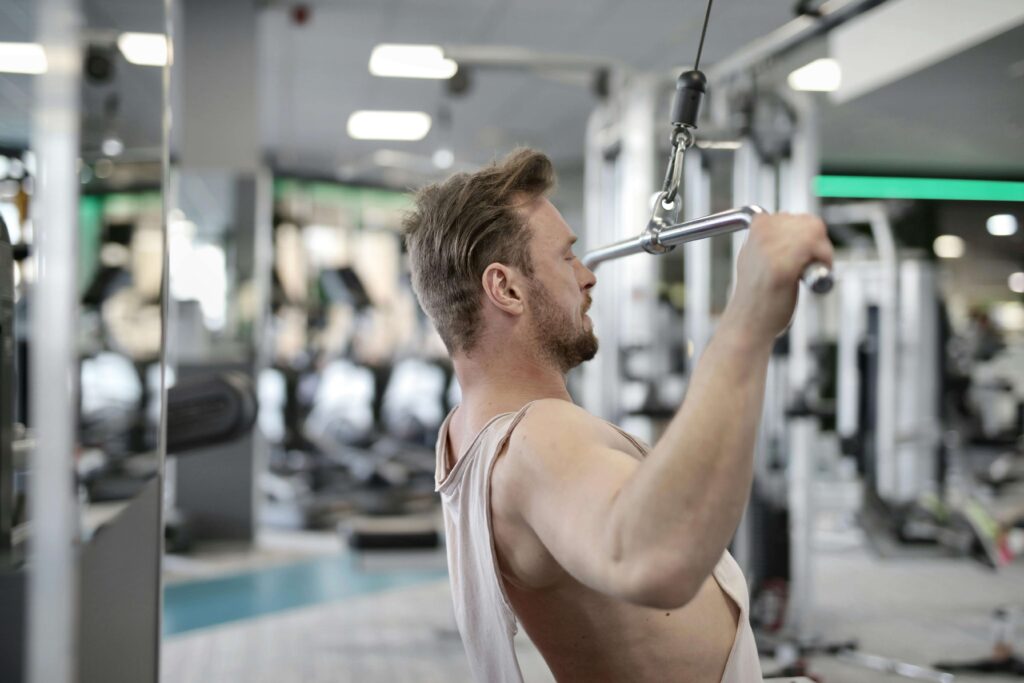
Scapular pulldowns teach depression using a cable or resistance band. Pull the shoulders down before bending your elbows. This movement prepares you for pull-ups.
Assisted Scapular Pull-Ups
Hang from a bar with assistance if needed. Depress the shoulder blades without bending your arms. This advanced scapular depression exercise builds serious stability.
Quadruped Scapular Circles
In a hands-and-knees position, move the shoulder blades slowly in circles. This exercise improves joint awareness and reduces stiffness.
Common Mistakes to Avoid
Many people rush scapular depression exercises. Avoid shrugging your shoulders upward or holding your breath. Fast movements and poor control reduce the benefits. Stop if you feel sharp pain.
Recommended Equipment for Scapular Depression Exercises
You can perform scapular depression exercises with minimal equipment. Resistance bands, a pull-up bar, or a wall work well. Stability balls add challenge, but bodyweight is enough for most people.
How Often Should You Do Scapular Depression Exercises?
Most people benefit from scapular depression exercises two to four times per week. Research suggests consistent low-load training improves motor control and reduces pain more effectively than high-intensity workouts (https://pubmed.ncbi.nlm.nih.gov/21694503/).
Mindful Tips for Practicing Scapular Depression Exercises
Move slowly and pair each movement with breath. Focus on sensation, not performance. This approach supports nervous system regulation and reduces stress-driven tension.
Trusted Video Resource
This clear demonstration from Physio Tutors, a well-known physical therapy education channel, explains scapular depression exercises with proper cues:
Conclusion
Scapular depression exercises support strong, stable, and relaxed shoulders. They reduce pain, improve posture, and encourage mindful movement. For people in mindfulness and substance abuse recovery, these exercises offer a safe way to reconnect with the body and build strength without feeling overwhelmed.
When practiced consistently and with awareness, scapular depression exercises become a powerful tool for long-term shoulder health.
References
- Journal of Orthopaedic & Sports Physical Therapy – Scapular mechanics and shoulder pain
https://www.jospt.org - PubMed – Scapular positioning and neck pain
https://pubmed.ncbi.nlm.nih.gov/24856947/ - PubMed – Motor control and low-load exercise benefits
https://pubmed.ncbi.nlm.nih.gov/21694503/ - Physio Tutors – Educational exercise demonstrations
https://www.youtube.com/@PhysioTutors