

Now Reading: Meditation for Stress and Depression: A Simple, Evidence-Based Guide
-
01
Meditation for Stress and Depression: A Simple, Evidence-Based Guide
Meditation for Stress and Depression: A Simple, Evidence-Based Guide

Stress and depression often go hand in hand. Each can make the other worse, creating a tough cycle to break. Many people look for relief but may not want to start medication or therapy right away. Meditation for stress and depression can help in these situations. It is a gentle, affordable, and easy way to support your emotional health.

Meditation is not a quick fix or a cure. It helps you slow down, notice your thoughts and feelings, and respond in a more balanced way. With regular practice, meditation for stress and depression can lead to calmer thoughts, steadier emotions, and better ways to cope. This guide will show you how it works, what research says, and how to get started without feeling overwhelmed.
What Is Meditation for Stress and Depression?
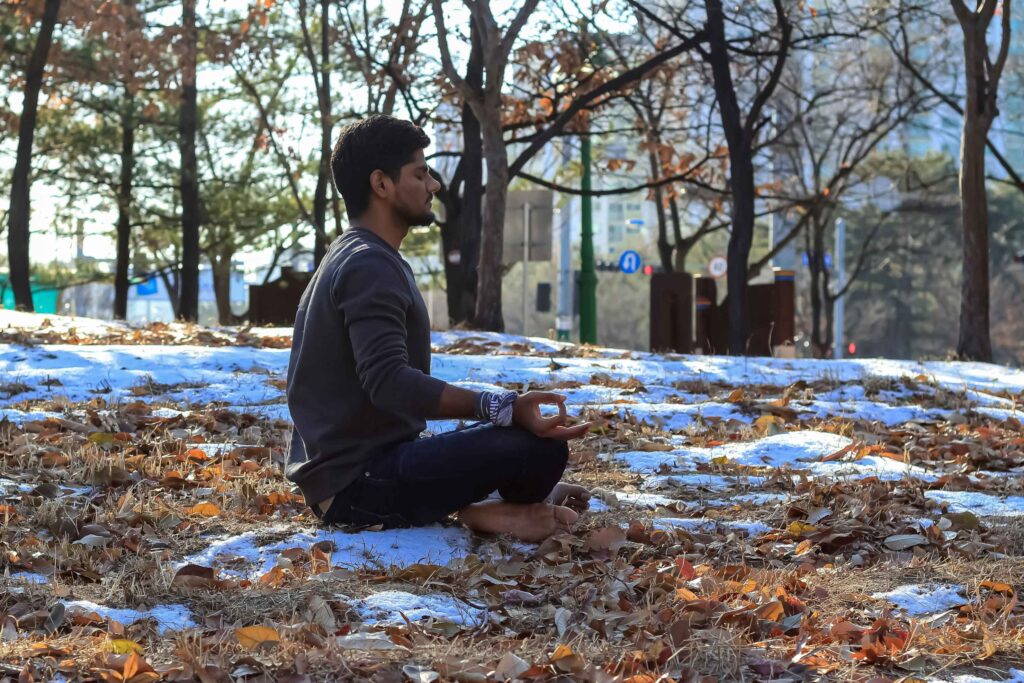
Meditation is a practice of training attention and awareness. It helps you focus on the present moment instead of getting stuck in worries or negative thought loops. When used consistently, meditation for stress and depression supports emotional regulation and mental clarity.
Unlike simple relaxation, meditation teaches you to observe thoughts without judgment. This skill matters because depression often involves rumination, while stress keeps the nervous system on high alert. According to the American Psychological Association, meditation helps reduce emotional reactivity and improve psychological flexibility.
Meditation is most helpful as an extra support. It works alongside therapy, healthy habits, and recovery, but it does not replace professional help.
How Stress and Depression Affect the Mind and Body
The Stress–Depression Connection
Chronic stress increases the risk of depression. When stress persists, cortisol levels remain elevated. This affects mood, sleep, and motivation. Research from the National Institute of Mental Health shows that long-term stress can change brain areas involved in emotion and memory.
Common Emotional and Physical Symptoms
Stress and depression often share symptoms. These include racing thoughts, low energy, irritability, muscle tension, and poor sleep. Meditation for stress and depression helps interrupt this cycle by calming the nervous system and improving awareness of early warning signs.
The Science Behind Meditation for Stress and Depression
Modern research strongly supports meditation. A large meta-analysis published in JAMA Internal Medicine found that mindfulness meditation programs significantly reduced symptoms of depression and anxiety (Goyal et al., 2014).
Brain scans show that meditation lowers activity in the amygdala, which is the part of the brain linked to fear. It also makes the prefrontal cortex, which helps with decisions and emotions, stronger. Harvard Health Publishing says that regular meditation can also lower cortisol and help you handle stress better.
This research helps explain why meditation for stress and depression works slowly but steadily if you practice it regularly.
Benefits of Meditation for Stress and Depression
Reduces Rumination and Negative Thoughts
Meditation helps you notice your thoughts without believing all of them. This can cut down on overthinking and replaying things in your mind, which often happens with depression.
Regulates Mood and Emotions
If you practice regularly, meditation for stress and depression can help you feel more balanced emotionally. You will still have feelings, but they may not seem as overpowering.
Improves Sleep Quality
Meditation helps your body relax. Studies show that mindfulness can help you sleep better and reduce problems with insomnia.
Enhances Self-Awareness and Acceptance
Meditation helps you understand yourself better. This can make it easier to be kind to yourself instead of being self-critical, especially when you are feeling down.
Strengthens Healthy Coping Skills
With time, meditation can help you respond in healthier ways to cravings, triggers, and stress. This is especially useful for people recovering from substance use.
Best Meditation Techniques for Stress and Depression
Mindfulness Meditation
Mindfulness meditation means paying attention to your breath, your body, or what you feel right now. It helps you notice things without judging them. Most meditation programs for stress and depression start with this technique.
Loving-Kindness Meditation
This practice helps you feel more compassion for yourself and others. It can lower feelings of shame, self-blame, and loneliness that often come with depression.
Body Scan Meditation
Body scans help you focus on different parts of your body. They can release tension and help you feel calmer, which is helpful for stress symptoms.
Progressive Muscle Relaxation
This method has you tighten and then relax different muscle groups. It is good for people who notice stress in their bodies more than in their emotions.
Guided Imagery Meditation
Guided imagery uses calming pictures in your mind to help you relax. It can help you feel more grounded when you are very stressed.
Breathing Techniques
Breathing exercises like belly breathing and box breathing can quickly calm your body. These are simple techniques you can use whenever you feel stressed during the day.
How to Start a Meditation Practice Without Overwhelm
Start Small and Stay Consistent
Start with just 5 to 10 minutes each day. Being consistent is more important than how long you meditate. Even short sessions can help you get the benefits of meditation for stress and depression.
Create a Realistic Routine
Choose a time that fits your life. Some people meditate in the morning, while others prefer evenings or mindful walking during breaks.
Handle Common Obstacles Gently
It is normal to feel restless. If your mind wanders, it does not mean you are failing. Every time you bring your attention back, you are making your practice stronger.
Meditation for Stress, Depression, and Substance Use Recovery
Meditation can help with recovery by making you more aware of cravings and emotional triggers. It gives you a pause between feeling an urge and acting on it. Mindfulness that takes trauma into account can also help you manage emotions without judging yourself.
According to the Substance Abuse and Mental Health Services Administration, mindfulness practices support emotional regulation and stress management in recovery settings. Meditation for stress and depression offers a steady anchor during early sobriety and long-term healing.
Best Apps and Resources for Meditation for Stress and Depression
Insight Timer
Insight Timer offers thousands of free meditations, including tracks focused on stress and depression.
Headspace
Headspace offers step-by-step programs and easy guidance for beginners.
Calm
Calm helps with sleep, relaxation, and stress by offering guided sessions.
Recommended YouTube Resource
The National Institute of Mental Health (NIMH) provides a trusted overview of mental health and stress:
Is Meditation Enough for Depression?
Meditation can help your mental health, but it is not a substitute for professional care. If your symptoms are severe, last a long time, or feel unsafe, it is important to get help from a professional. Meditation for stress and depression works best when combined with therapy, support from others, and healthy habits.
Final Thoughts
Meditation is not about fixing yourself. It is about facing your experiences with patience and awareness. With time, meditation for stress and depression can help you feel calmer, clearer, and more resilient. Start slowly, stay open, and let the practice support you, one moment at a time.
References
- Goyal, M. et al. (2014). Meditation Programs for Psychological Stress and Well-being. JAMA Internal Medicine
- National Institute of Mental Health – https://www.nimh.nih.gov
- American Psychological Association – https://www.apa.org/topics/mindfulness/meditation
- Harvard Health Publishing – https://www.health.harvard.edu
- SAMHSA – https://www.samhsa.gov