
Now Reading: Social Media Take a Break: Reset Your Mind Naturally
-
01
Social Media Take a Break: Reset Your Mind Naturally
Introduction
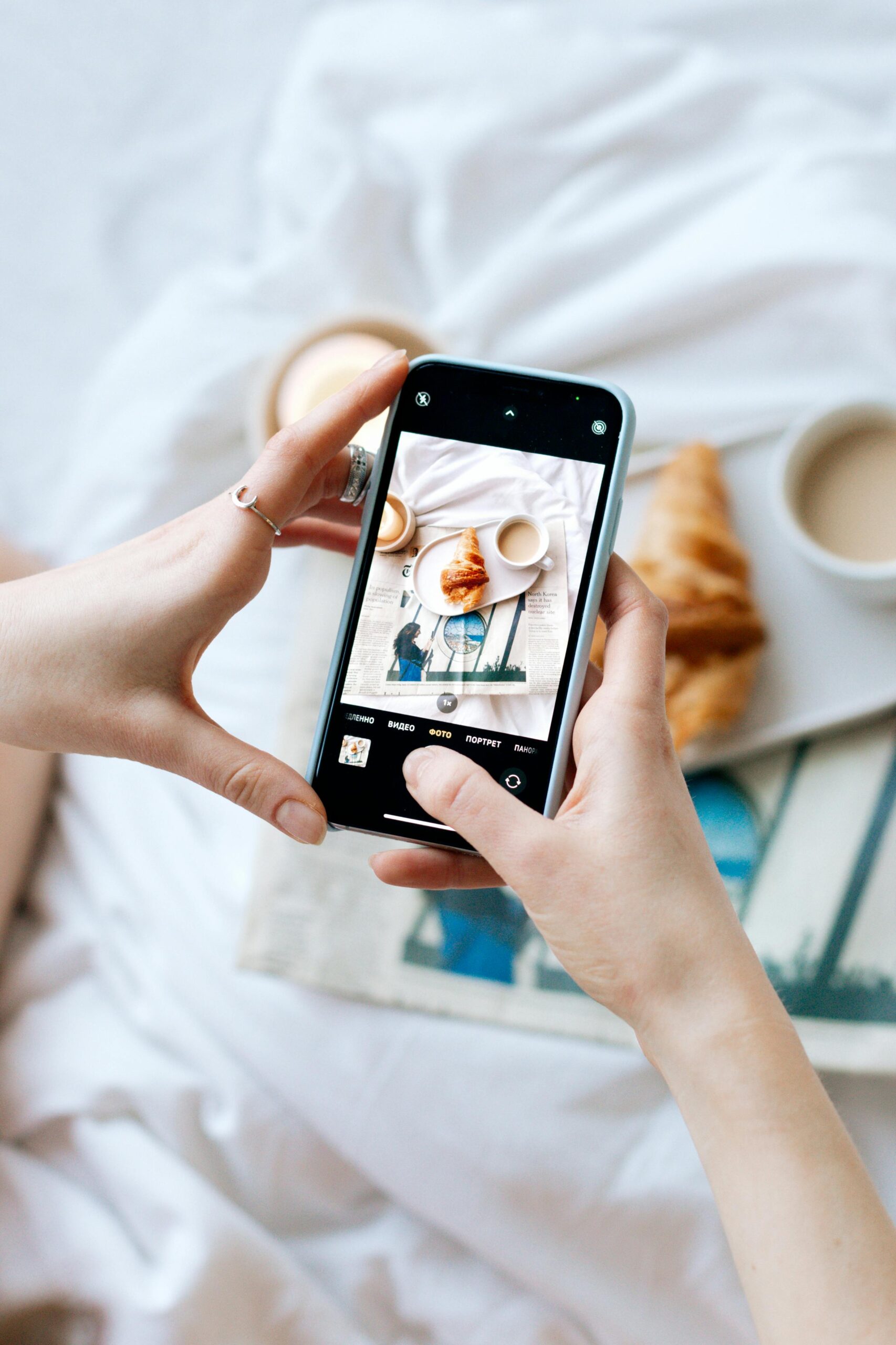
Have you ever picked up your phone to check something quickly, only to realize an hour has passed? You are not alone. Social media is built to keep you scrolling, often making it hard to notice how much time slips by. Over time, this can leave you feeling tired, distracted, and emotionally drained.
That is why many people are now choosing to take breaks from social media. Research from NPR and the University of Bath shows that even one week away can lower anxiety and depression. Taking a break does not mean quitting forever; it simply gives your mind a chance to reset.
Why You May Need a Social Media Take a Break
Social media can be helpful, but it can also feel overwhelming. If you find yourself always checking your phone, comparing yourself to others, or feeling mentally exhausted, it might be time to take a break from social media.
Many people do not realize how much social media can affect their mood. It can quietly raise stress, make it harder to focus, and even disrupt sleep. When you take a step back, you start to notice how these habits shape your daily life.
Taking a break from social media is a simple way to regain control and reconnect with yourself.
Signs It’s Time to Take a Break from Social Media
Your mind often sends signals when something is off. Here are some common signs that you might need a break from social media:
- You check your phone without thinking.
- You feel anxious when you are offline.
- Your sleep quality is getting worse.
- You compare your life to others online.
- You feel mentally tired after scrolling.
If these signs sound familiar, it might be time to give yourself a break.
The Benefits of a Social Media Take a Break
Better Mental Health
Taking a break from social media can boost your emotional well-being. When you stop the constant comparisons and notifications, your mind feels calmer.
A study from the University of Bath found that people who took a one-week break reported less anxiety and depression. Even a short break can make a real difference.
Improved Sleep Quality
Scrolling late at night affects your sleep more than you might realize. The blue light from screens can disrupt melatonin, the hormone that helps you fall asleep.
By taking a break from social media, especially before bed, you give your body a chance to rest naturally. Better sleep leads to a better mood and sharper focus.
Increased Focus and Productivity
Social media can break your attention into small pieces. Every notification pulls you away from what you are doing.
When you take a break from social media, you cut down on distractions. This helps you think more clearly and get things done more efficiently.
Stronger Real-Life Connections
When you spend less time online, you have more time for real-life relationships. You can be more present with your family and friends.
Taking a break from social media allows for deeper conversations and stronger emotional connections.
Social Media and Its Link to Stress and Addiction
Social media uses a reward system. Every like or comment releases dopamine, making you feel good. Over time, your brain starts to crave this feeling.
This pattern is similar to behavioral addiction. In some cases, it can even relate to substance use, where people look for quick relief from stress.
Taking a break from social media helps break this cycle. It gives your brain time to reset and lowers your dependence on constant digital stimulation.
How to Start a Social Media Take a Break (Step-by-Step Guide)
1. Notice Your Patterns
Start by noticing how often you use social media. Check your screen time and pay attention to when you feel the urge to scroll.
Being aware of your habits is the first step to taking a successful break from social media.
2. Set Clear Boundaries
Decide how long your break will be. It could be one day, one weekend, or one week.
Clear boundaries make your social media break more effective and easier to stick with.
3. Make It Harder to Scroll
Log out of your accounts or temporarily delete the apps. These small steps can help reduce impulsive scrolling.
This simple step can make your social media break much easier.
4. Replace the Habit
Instead of scrolling, try activities that bring real value. Go for a walk, read, journal, or practice mindfulness.
Replacing the habit helps your social media take a break, feel natural rather than restrictive.
5. Protect Your Sleep
Put your phone away before bedtime. Try creating a calming routine, like reading or meditating.
Taking a break from social media at night can greatly improve your sleep quality.
6. Stay Accountable
Share your plan with a friend or family member. You can also keep track of your progress in a journal.
Having someone to support you makes your social media break more successful.
What to Expect During a Social Media Break
At first, you might feel bored or restless. This is normal. Your brain is just getting used to less stimulation.
After a few days, many people notice they feel calmer. Thoughts become clearer, and emotions feel more balanced.
Taking a break from social media is not always easy at first, but the benefits grow over time.
Social Media Take a Break and Substance Use Awareness
Social media can expose you to content that promotes alcohol or drug use. It can also raise stress, which may lead some people to unhealthy ways of coping.
Taking a break from social media reduces these triggers and creates a healthier environment for your mind.
If you are working on recovery or mindfulness, taking a break from social media can be especially helpful.
How Long Should You Take a Break?
There is no perfect answer. Some people benefit from a 24-hour break, while others find a full week works best.
Research suggests that even a short break from social media can improve your mood and focus. The key is to be consistent and intentional.
Start small and adjust your break based on how you feel.
Returning to Social Media Mindfully
After your break, consider how you want to use social media. Follow accounts that inspire you and unfollow those that cause stress.
Set time limits and avoid mindless scrolling. A mindful return helps you maintain the benefits of your social media break.
Conclusion
Social media itself is not the problem; it is how we use it that matters. Taking a break gives your mind the space it needs to reset, reflect, and recover.
Even a short break can improve your mental health, sleep, and focus. It also helps you reconnect with yourself and the world around you.
Start small. Take one step today. Your mind will thank you for it.
YouTube Resource (Trusted Source)
How Social Media Affects Your Brain – AsapSCIENCE
References
- NPR / University of Bath Study
https://www.npr.org/2022/05/06/1097054415/social-media-break-improves-mental-health - American Psychological Association
https://www.apa.org - National Institutes of Health (NIH)
https://www.nih.gov - Sleep Foundation
https://www.sleepfoundation.org