

Now Reading: Grounding Exercises: 15 Techniques to Feel Present (Incl. 5-4-3-2-1)
-
01
Grounding Exercises: 15 Techniques to Feel Present (Incl. 5-4-3-2-1)
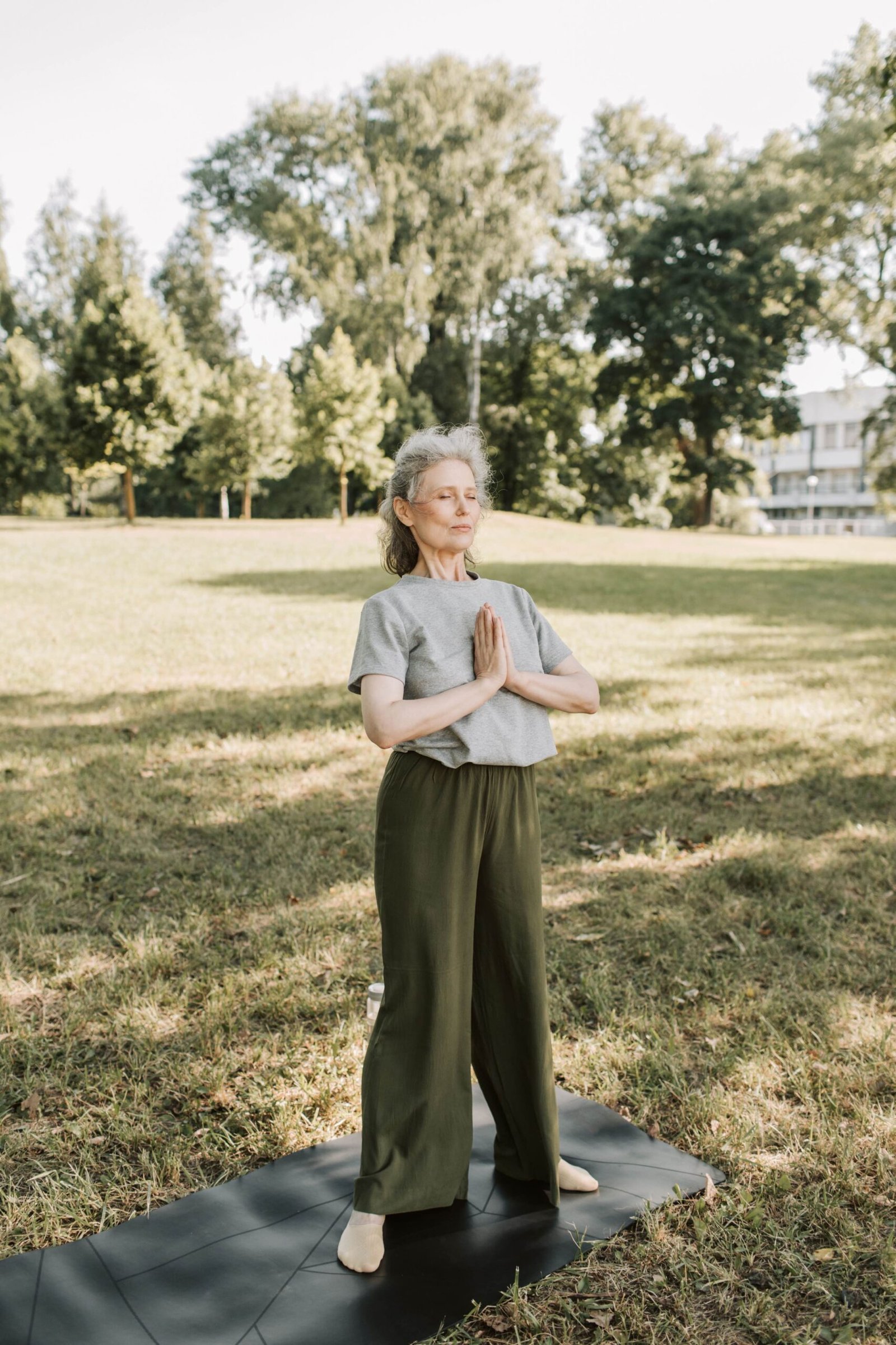
Grounding exercises help you focus on your surroundings or a physical feeling when your thoughts or emotions feel overwhelming. You might try the 5-4-3-2-1 technique (naming 5 things you see, 4 you feel, 3 you hear, 2 you smell, and 1 you taste) or choose one of the simpler exercises below.
Maybe you’re rereading an email and worrying about what could go wrong. Before replying, pause and notice the chair you’re sitting in or describe the objects on your desk. The email will still be there, but you’ve given yourself a moment to focus on something real.
These are general coping ideas, not medical advice. Choose an exercise that works for you, adjust it to fit your senses and mobility, and stop if it makes you feel worse.
What does grounding involve?
Grounding means reconnecting with what’s happening right now. Oxford Health’s grounding guide explains it as focusing on your surroundings and your senses. It’s a way to respond when you feel overwhelmed, not something you must do to ‘clear your mind’.
You might noticece a sounddescribe a familiar object, or remind yourself where you are. You don’t need to feel totally calm for the exercise to helpentation, gentle movement and simple attention. Some are just everyday adaptations of those approaches rather than separate therapies that have been tested. None of them can be said to guarantee a result or to have a set time of recovery.
How do you do the 5-4-3-2-1 grounding technique?
1. Move through your senses
Sit or stand somewhere suitable and look around. Name:
- 5 things you can see: a handle, a window, a bag, a shadow, a cup.
- 4 things you can feel: your sleeve, the seat, your shoes, the air on your hands.
- 3 things you can hear: nearby conversation, traffic, a fan.
- 2 things you can smell: notice ordinary scents already around you.
- 1 thing you can taste: perhaps a lingering taste from your last drink.
Take your time. You don’t need anything unusual, a perfect answer, or a new sensation for each step. If smell or taste aren’t available or are unpleasant, just focus on sight, sound, and touch instead. It’s fine to adapt the sequence.
Keep the exercise simple. You don’t have to get up to find something to taste or search for a strong smell. If five steps feel like too much, just pick one object and describe it.
What other grounding exercises can you try?
2. Describe one ordinary object
Choose a pen, a key ring or a folded towel. Describe the edge, the colour, the weight and the surface. “The cap has two ridges” is a far more specific thing to focus on than “this is a pen”. You can look at it without having to touch it.
3. Notice the support beneath you
If you’re comfortable just place your feet on the floor and be aware of the contact through your shoes. Alternatively you could be aware of the backrest against your back or your forearms on a surface. There’s no need to press down hard or change position in any painful way.
4. Say where you are
Use simple facts: “I’m in my living room. It’s Friday afternoon. My phone is on the table.” Check the time or the calendar if that helps. If you’re in an unsafe place then your priority should be to get help or to get to a safe place rather than telling yourself otherwise.
5. Find objects of one color
Look for several blue objects, and if you like, try a different color next. Notice the differences, like pale blue fabric, a dark label, or a shiny folder. If color isn’t helpful, focus on shapes or textures instead.
6. Listen for separate sound layers
Notice one sound nearby, one a little farther away, and one steady background sound. You might hear a keyboard, a passing car, or ventilation. Keep your eyes open if you want. Avoid focusing on sounds that upset you.
7. Hold a familiar grounding object
Choose a small object that feels neutral or soothing, like a smooth key fob or a piece of fabric. Keep it in your pocket and notice its details when you need to. The NHS post traumatic stress guide suggests picking something not linked to difficult memories and practicing with it first.
8. Notice the temperature of water
Wash your hands with warm or cool water and notice what you feel—the movement, the sound, or how your hands feel as you dry them. Avoid very hot or cold water. If touching water is uncomfortable, just listen to it running.
9. Take a deliberate sip
If it’s safe and comfortable, take a small sip of your usual drink. Notice the temperature and taste before setting the cup down. Water is enough; you don’t need a special tea, supplement, or sweet drink.
10. Name items in a familiar category
Choose something ordinary, like fruits, animals, or kitchen utensils. Name a few at your own pace. If you get stuck, switch to an easier category. This is just to help you focus, not a memory test.
11. Count a visible pattern
Count the window panes, books on a shelf, or squares in a fabric pattern. Stop whenever you want. If counting feels stressful, just describe one shape. Stay aware of your surroundings, especially in public.
12. Take a few attentive steps
If it’s safe and comfortable, walk slowly across the room and notice each foot touching the floor. If you’re sitting, gently move your hand across your lap and watch it. Only move in ways that feel comfortable for you.
13. Read a short piece of neutral text
Look at a label, a calendar entry, or a few lines from a familiar book. Notice the punctuation and the shapes of the letters. Avoid anything upsetting or reading the news if you want something steady to focus on.
14. Try gentle, unforced breathing
Let your breath find a comfortable rhythm. If counting helps, count quietly as you breathe in and out—no need to reach a certain number. The NHS breathing guide recommends gentle, not deep, breathing. If focusing on your breath feels uncomfortable, skip this exercise.
15. Describe your surroundings to someone you trust
Ask someone you trust to stay with you or talk with you. You could say, “Could you help me notice what’s happening around me?” Name the room, an object, and one thing you plan to do next. They can simply listen; they don’t need to ask questions or offer touch.
Which grounding exercises are appropriate for work, bed or public places?
Pick what’s available and feels right for you, instead of searching for the ‘best’ technique. This table is meant to help you choose, not to rank which method works best.
| Situation | Options to start with | A discreet or accessible adjustment |
| At your desk | One object (2); support beneath you (3); neutral text (13) | Observe your pen or silently read the date |
| In a meeting | Sound layers (6); one color (5) | Notice two details without closing your eyes |
| In bed | Orientation (4); a familiar object (7); gentle breathing (14) | Name the room and feel the bedding; use a dim light if needed |
| In a queue or waiting room | Categories (10); a visible pattern (11) | Keep the task simple and stay aware of your surroundings |
| After an upsetting reminder | Orientation (4); trusted company (15) | State present-day facts and ask for support |
| When movement is limited | One object (2); sound layers (6); neutral text (13) | Choose a sense and position that are comfortable for you |
| When breath focus feels worse | Color search (5); familiar object (7) | Leave breathing alone and focus outward |
If you want tips on taking short breaks during the day, check out our guide to mindfulness at work.
A printable 5-4-3-2-1 grounding card
Download the free grounding card,it fits on one page. It includes a cut-out card, the sensory sequence, and space to write your own preferred alternative.
The short reminder is:
Look for 5. Feel for 4. Hear for 3. Smell for 2. Taste for 1.
Adapt a sense, pick one detail or just stop. You don’t have to finish.
Keep the card somewhere easy to find. Try reading it during a regular day to see if the wording works for you. If carrying a card feels like too much, just save the reminder as a note on your phone.
Do grounding exercises help with anxiety?
Grounding exercises can help when anxiety makes it hard to focus on the present. Public health guidance suggests sensory grounding as an option, but not every method works the same for everyone, and it isn’t a treatment for an anxiety disorder.
For example, if you’re anxious before a presentation, you might look at the lectern and notice the floor under your feet. You may still feel nervous. The next helpful step could be to open your notes and read the first sentence, instead of trying to get rid of all your anxiety at once.
If you want to learn more about noticing your emotions before reacting, our mindfulness for emotional resilience guide covers this in detail. Use grounding alongside any care plan you already follow.
What if grounding actually makes you feel worse?
Stop the exercise. If your eyes are closed, open them and look at a neutral spot in the room. Consider talking to someone you trust. Don’t keep doing an exercise if it makes you feel worse, just because it’s what others do.
The VA National Center for PTSD points out that relaxation can in fact be counterproductive for some people at the outset, especially when the focus turns to the unpleasant bodily sensations. They also mention the importance of orienting to your environment and making contact with someone you trust if you’re experiencing a flashback.
You can skip breath counting, scents, or body-focused exercises if you prefer. If you don’t like sensory elements, you might just read a short label or name familiar categories. If this keeps happening, talk to a qualified mental health professional who can help you find what works for you.
How can you make grounding easier to remember?
Pick two options: one you can use quietly in public and one to try at home. Practice when you’re feeling okay, and keep what helps close by.
Afterward, jot down something practical, like “Describing the keys was fine, counting breaths felt uncomfortable.” You don’t need to track all your feelings or judge yourself. The goal is simply to find what works for you.
For everyday activities that help you notice details, our mindfulness hobbies guide offers creative and simple ideas. You can do these alongside grounding without feeling like you’re adding another task to your day.
When would you need to see a professional?
If anxiety, panic, flashbacks, or feeling disconnected are affecting your sleep, work, relationships, or daily life, reach out to your GP or a qualified mental health professional. You don’t need to try all 15 exercises before seeking help.
NIMH can help tell the difference between an anxiety disorder and normal worry, and can see if your symptoms affect your daily life. They’ll assess your situation and discuss what support might help. Grounding alone won’t diagnose or replace treatment for anxiety.
Don’t assume new or worsening physical symptoms are just anxiety. If you have new chest pain, fainting, or severe breathlessness, seek urgent medical help.
If you need urgent help—if you’re at risk of harming yourself, can’t care for yourself, or are in immediate danger—contact emergency services or go to the nearest emergency department. Ask someone you trust to stay with you while you get help. Don’t use grounding as a way to delay urgent care.
For now, just choose one neutral detail you can easily notice. One object, sound, or point of reference is enough to start.
Sources
- Oxford Health NHS Foundation Trust. Ground yourself. Sensory grounding and the 5-4-3-2-1 sequence.
- Cumbria, Northumberland, Tyne and Wear NHS Foundation Trust. Post Traumatic Stress self-help guide. Grounding objects and sensory orientation.
- NHS. Breathing exercises for stress. Gentle breathing without forcing depth.
- US Department of Veterans Affairs, National Center for PTSD. Coping with Traumatic Stress Reactions. Orientation, support, and potential discomfort with relaxation.
- National Institute of Mental Health. Anxiety Disorders. Symptoms affecting daily functioning and accessing help.