
Now Reading: Self-Care Gifts: 40 Thoughtful Ideas for Every Budget
-
01
Self-Care Gifts: 40 Thoughtful Ideas for Every Budget
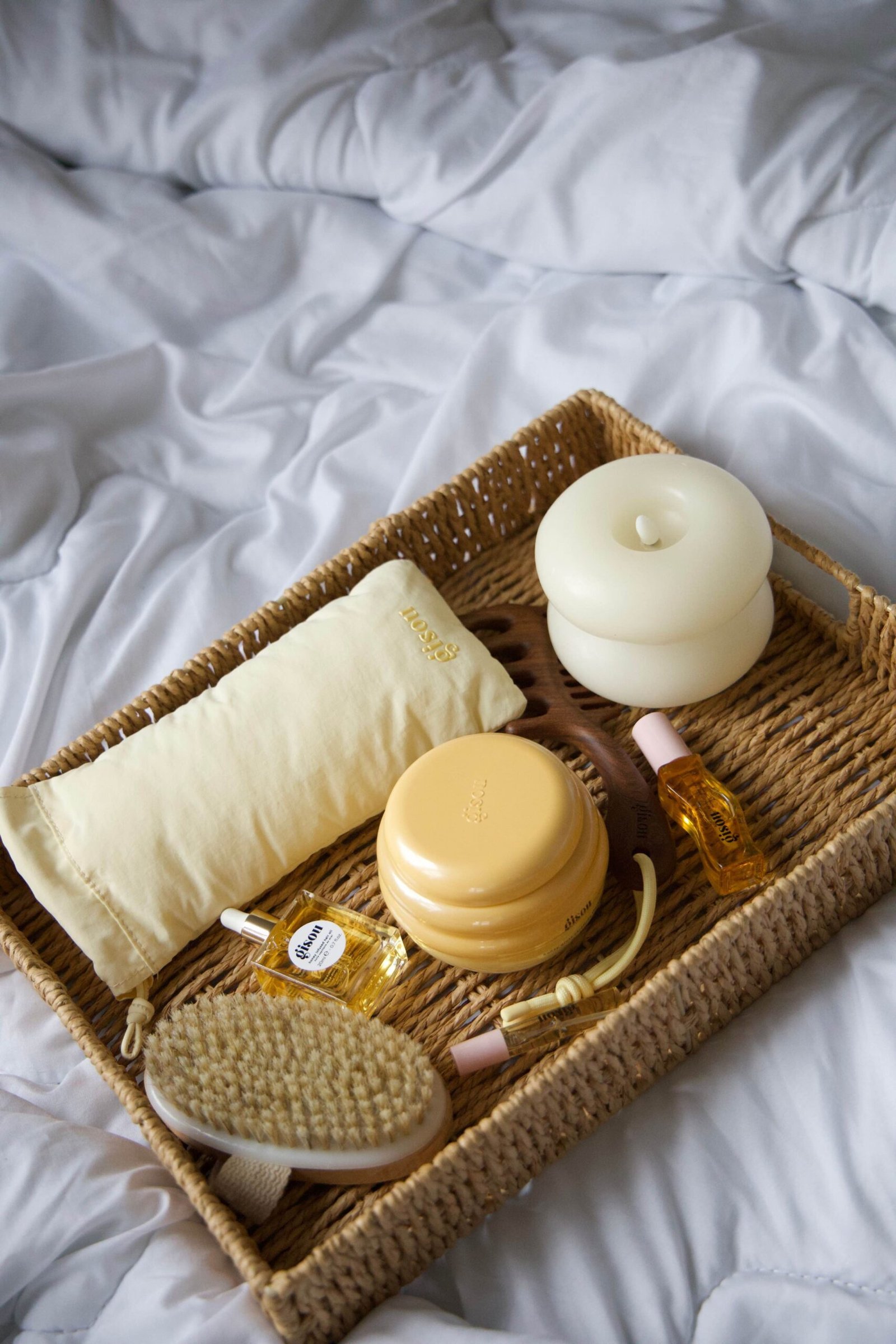
The best self care gifts fit into what someone already enjoys, like a quiet cup of tea, a good book, a creative afternoon, or a break from daily routines. A small, thoughtful gift that matches their lifestyle is usually more appreciated than a big hamper of things they might never use.
Imagine someone who keeps reheating the same mug of coffee because they’re always busy helping others. They might really enjoy a new mug or appreciate having dinner delivered.
Here are 40 ideas, ranging from small comforts to gifts of time. You’ll also find a budget table and a DIY self care gift basket that you can adapt without needing to buy extra items.
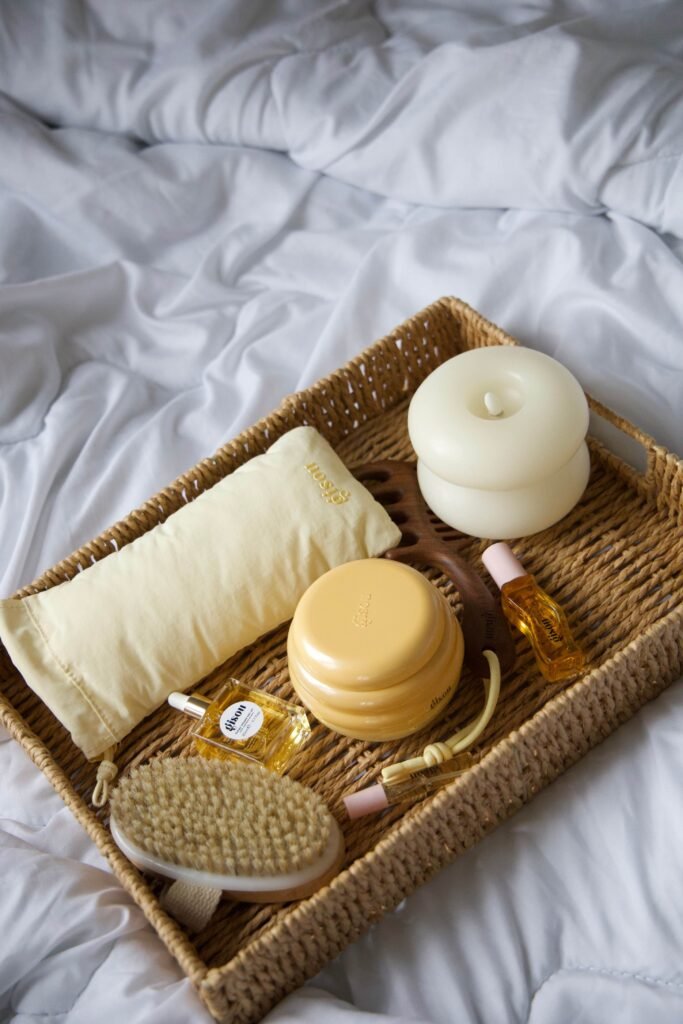
Which self-care gifts fit your budget?
Begin by setting a spending limit that includes packaging, delivery, and tax. The amounts below are suggested shopping budgets in USD, not exact prices for each item. Local prices and service fees may be different.
| Budget | A useful direction | Example gift combination | Check before buying |
| Under $25 | One small pleasure, thoughtfully chosen | A paperback and a handwritten bookmark, or tea and a simple mug | Book preferences, ingredients, caffeine preferences |
| Under $50 | A complete activity or comfortable evening | A journal, pen, and reading light; or supplies for a small craft project | Whether they already own the main item |
| Under $100 | A flexible experience or practical help | Credit toward a class, meal delivery, or a service they have requested | Local prices, expiration dates, booking restrictions |
You don’t need to use the whole budget. If you find the perfect book for $12, adding a personal note can make it special.
What are good self-care gifts under $25?
1. A small, uncomplicated journal
Pick lined pages for someone who likes to write, or blank pages for someone who enjoys sketching. A small notebook is much easier to carry around than a large keepsake journal.
For one concrete option, Target listed the Moleskine Cahier pocket three-pack at $13 when checked on October 26, 2026, before tax and shipping. Each notebook measures 3.5 by 5.5 inches. This is a researched option, not a hands-on review.
2. A comfortable pen
You can buy a refill for a pen they already like, or pick one that’s comfortable to hold. Our guide to journaling tools covers the basics without needing a big stationery collection.
3. Their preferred tea
Pick a tea flavor they already know instead of a mixed box with unfamiliar ingredients. Leave it in the original packaging so they can check the ingredients and brewing directions.
4. A mug that suits their hands
A mug with a comfortable handle and a weight that’s easy to hold is more important than a mug with a slogan. Make sure it’s safe for the dishwasher and microwave.
5. A soft pair of socks
Look at the size, fabric, and how to wash the socks. If someone doesn’t like thick seams, they’ll notice that right away, even before the wrapping.
6. A washable eye mask
Find one with an adjustable strap and easy-to-follow cleaning instructions. Unless you know they like a heavier mask, go with an unweighted one.
7. Their usual hand cream
It’s thoughtful to replace a product they already use. If you don’t know their favorite scent, it’s best not to try a new one.
8. A secondhand paperback
Look for another book by an author they like. Add a note inside to share why you chose it, and skip self-improvement books unless they’ve asked for one.
9. A puzzle book
Pick crosswords, word searches, or sudoku at a level they enjoy. Check the print size yourself instead of just trusting the cover.
10. A sketchbook
Choose paper that fits the activity. Pencil sketches need different paper than watercolor painting, and the pad should say what it’s for.
11. A small set of colored pencils
A small set of colored pencils fits well with a sketchbook. Including a sharpener and a simple pouch makes it easy to use right away.
12. A homemade snack they love
Bake something they know and like, write down the ingredients, and add storage instructions. Use a container you’re happy for them to keep, so they don’t have to return it.
What can you give for under $50?
These ideas can work within a $50 budget, depending on which version you pick. Check the total price before you buy.
13. A washable throw blanket
Pick a blanket with a texture they enjoy and a size that fits their favorite chair. Machine-washable fabric is usually more practical than something with delicate trim.
14. Slippers in a style they already wear
Check the fit, the sole, and the return policy. Open-back and closed-heel slippers feel different, so stick with the style they already like.
15. A clip-on reading light
Choose a reading light with adjustable brightness and easy-to-use controls. If it needs batteries, include them, or make sure the charging cable is in the box.
16. A small jigsaw puzzle
Think about how much space they have for puzzles. A 300-piece puzzle might fit better on a small table than a big 1,500-piece one.
17. An embroidery starter kit
Make sure the kit has the hoop, fabric, thread, needle, and instructions. It’s frustrating to get a nice pattern but have to buy missing pieces.
18. A beginner watercolor set
Put together a small paint set with the right paper and a brush. If painting isn’t their favorite, our mindfulness hobbies list has other creative ideas.
19. An insulated travel cup
Pick a travel cup with a lid that’s easy to clean, and check if it fits their bag or car cup holder. It’s also helpful to see if you can get replacement seals.
20. A loose-leaf tea brewing set
A basket infuser, their favorite tea, and a cup make a nice gift set. Make sure the infuser fits the cup before you wrap them together.
21. A reusable water bottle
Pick a water bottle size that fits their routine. If they use public transport, they might like a smaller, lighter bottle instead of a big one.
22. A printed photo book
Pick a set of meaningful photos and add dates or names if it helps. Leave out any private pictures the recipient wouldn’t want others to see.
23. A bookshop gift card with a personal recommendation
Recommend a couple of books they might like, but let them choose. Make sure the gift card works at a store or website that’s easy for them to use.
24. A refill of a favorite everyday product
Their favorite bath product, coffee, or stationery can feel like a small luxury. Get the exact version they use, since similar labels don’t always mean the same thing.
What are thoughtful self-care gifts under $100?
Experiences and services can cost very different amounts depending on where you live. If the full price is more than your budget, offer a clear contribution and check that the recipient is okay with covering the rest.
25. A pottery or craft workshop
Pick a class that’s good for beginners and has flexible dates. Make sure materials, firing, and collection are included, especially if the studio is far from where they live.
26. A meal-delivery credit
Check that the meal delivery service goes to their address and has food they can eat. If the gift needs a subscription or extra spending, think it through first.
27. A grocery contribution
A grocery gift card can be more helpful than a fancy hamper. Pick a store they already shop at and give it to them privately, without mentioning their finances.
28. Credit toward a massage they have requested
Let them choose the massage therapist, appointment, and type of service. Check any gift card rules, and don’t call the gift a treatment for a health issue.
29. A contribution toward a cleaning service
Ask before offering. Some people like help, but others don’t want someone they don’t know in their home. Make sure you both understand what the contribution covers before booking.
30. A cinema or theater outing
Give them a choice of dates and think about including transport as part of the gift. Flexible tickets are easier to use than a surprise booking on a busy night.
31. A botanical-garden visit
Look up the opening hours, seating, accessibility, and weather. In winter, an indoor conservatory might be a better choice than an outdoor garden with little seating.
32. Supplies for an existing hobby
Ask them exactly which yarn, paint, gardening tool, or baking tin they want. People with hobbies usually have specific preferences that general gift sets might not match.
If you’re shopping for an older parent, our Christmas gift ideas have more suggestions focused on familiar hobbies, comfort, and family memories.
Which self-care gifts cost little or nothing?
33. Two hours of agreed childcare
Suggest specific dates and take care of the details with the parent. Only offer childcare if you are qualified and trusted to do so.
34. A home-cooked dinner, delivered
Decide together on the meal and when to deliver it. Bring it ready to eat or with clear reheating instructions, and take away any packaging they don’t want.
35. An errand run
Offer to do something specific, like picking up groceries, returning library books, or mailing a package. It’s easier for someone to accept a clear offer than a vague “let me know.”
36. Help with one household task
Help by folding laundry, washing dishes, or tidying a shared space if they agree. Don’t reorganize their personal things or make the visit feel like an inspection.
37. A planned walk together
Pick a simple walking route, agree on the pace, and allow time for a break. Keep the plan flexible so you can sit and chat if that’s what they prefer.
38. A playlist with short notes
Choose songs that remind you both of shared memories and explain why you picked a few of them. Make sure the playlist is on a service they already use.
39. A small envelope of handwritten letters
Share specific things you appreciate, like a ride they gave you, a meal they made, or a joke you still remember. A few real memories mean more than general compliments.
40. An afternoon with the arrangements handled
Plan lunch, a free exhibition, or a trip to a favorite spot. Take care of transport and timing, but let them change the plan if they want.
How do you build a self-care gift basket without overspending?
Choose one activity and only buy what helps them enjoy it. For example, a reading basket just needs a book and maybe a snack—it doesn’t need extra skincare products just to fill it up.
Here is a $25 before-tax planning example for a quiet evening. These are spending allowances, not verified store prices.
| Item | Spending allowance | Selection detail |
| Small notebook | $5 | Plain cover, lined pages |
| Comfortable pen | $2 | A familiar ink type |
| Box of tea | $5 | A flavor they already drink |
| Simple mug | $6 | Easy to hold and wash |
| Favorite packaged snack | $4 | Ingredients visible |
| Reusable bag or wrapping | $3 | Use something you own if possible |
| Total | $25 | Tax and delivery are additional |
If you have a $25 budget, try to spend $20–$22 on the items and save the rest for tax. Shopping locally can help you avoid delivery fees. If the mug makes you go over budget, leave it out instead of swapping everything for smaller items they might not want.
Place the notebook at the back, use a clean tea towel to protect the mug if you have one, and keep any food sealed. Don’t pour tea or toiletries into unmarked containers. Add a short note: “A few things for your next quiet evening. No occasion needed.”
How do you choose self-care gifts for women without relying on stereotypes?
Start by thinking about her interests and daily life. If she enjoys woodworking, she might like project materials. If she’s caring for a relative, a meal and help with errands could mean a lot.
Try asking, “Would you like something to open, something to do, or help with a task?” This lets her answer in her own way. Packaging aimed at women doesn’t really show if a gift will be appreciated.
What should you avoid putting in a self-care gift?
Avoid gifts that suggest the person needs to change. Things like weight-loss products, supplements, anti-aging treatments, or self-improvement plans can make a kind gesture feel awkward.
Ask before buying scented items, clothes with tricky sizing, or anything that needs ongoing payments. If you’re not sure about their preferences, pick a flexible gift card or something you know they like.
The National Institute of Mental Health lists enjoyable activities, rest, and connection as part of everyday self-care. This advice encourages making time for those things, but it doesn’t mean that any gift basket item treats anxiety, depression, or other conditions.
When does someone need support beyond a gift?
A gift can go along with practical help and a caring conversation. If someone is dealing with ongoing or serious distress, encourage them to talk to a qualified health professional. NIMH says to seek professional help for severe or distressing symptoms that last two weeks or more, and to get help sooner for urgent concerns.
This guide shares general gift ideas, not medical advice. Ask what would help, listen to their answer, and pick something they’ll be happy to get on any regular day.
Sources
- National Institute of Mental Health. Caring for Your Mental Health. Supports the general self-care and professional-help guidance above.
- Target. Moleskine Cahier Ruled Journals Pocket, 3-Pack, Black. Product dimensions and listed price checked October 26, 2026. The product page is linked in idea 1. Prices and availability may change.