
Now Reading: What Foods Are Good for Depression and Anxiety? A Science-Backed Guide
-
01
What Foods Are Good for Depression and Anxiety? A Science-Backed Guide

Many people with depression or anxiety look for natural ways to feel better. While therapy and medication are important, your daily habits also make a difference. What you eat is one habit that can help.

Research shows that nutrition directly affects brain chemistry, inflammation, and emotional regulation. Understanding what foods are good for depression and anxiety can help you support your mental health in a gentle, sustainable way. Food is not a cure, but it can be a strong ally alongside professional care.
Understanding Depression and Anxiety
Depression often brings ongoing sadness, low motivation, tiredness, and less interest in daily life. Anxiety usually means constant worry, tension, restlessness, and physical symptoms like a fast heartbeat or stomach problems.
These conditions often happen together. According to the National Institute of Mental Health, almost half of people with depression also have anxiety disorders
https://www.nimh.nih.gov/health/statistics/mental-illness.
Since they share some biological causes, similar nutrition tips can help with both depression and anxiety.
How Diet Affects Mental Health
Food gives your brain energy. Nutrients help make brain chemicals, balance hormones, and reduce inflammation. Eating a lot of processed foods can make mood swings and stress worse.
The Gut–Brain Connection
The gut and brain are always in touch. About 90% of serotonin, a chemical linked to happiness and calm, is made in the gut
https://www.health.harvard.edu/diseases-and-conditions/the-gut-brain-conneThis link shows why taking care of your gut can help with depression and anxiety.
What Foods Are Good for Depression and Anxiety?
Here are some foods, backed by research, that support brain health, mood, and emotional strength.
Leafy Green Vegetables
Spinach, kale, and Swiss chard give you folate and magnesium. These nutrients help your brain make serotonin and dopamine.
A study in the Journal of Psychiatric Research found that low folate levels are linked to higher depression risk
https://www.sciencedirect.com/science/article/pii/S0022395613000269.
Leafy greens are a foundational answer to what foods are good for depression and anxiety.
Fatty Fish (Salmon, Sardines, Mackerel)
Fatty fish are rich in omega-3 fatty acids, which reduce inflammation in the brain. Chronic inflammation is strongly linked to depression.
A meta-analysis in JAMA Psychiatry showed that omega-3 intake significantly reduced depressive symptoms
https://jamanetwork.com/journals/jamapsychiatry/fullarticle/2730046.
Eating fish twice a week supports long-term emotional health.
Nuts and Seeds (Brazil Nuts, Walnuts, Pumpkin Seeds)
Nuts and seeds give you selenium, zinc, magnesium, and healthy fats. Brazil nuts have a lot of selenium, which helps keep your mood steady.
Research in Nutritional Neuroscience found that lower selenium levels are associated with higher anxiety and depression
https://www.tandfonline.com/doi/abs/10.1080/1028415X.2014.889456.
These nutrients are important for managing depression and anxiety.
Turkey, Eggs, and Milk
These foods have tryptophan, an amino acid your body uses to make serotonin. They also give you protein, which helps keep your blood sugar and energy steady.
Low vitamin B12, commonly found in animal products, is linked to depressive symptoms
https://ods.od.nih.gov/factsheets/VitaminB12-HealthProfessional/.
Eating these foods in balance can help you keep a steady mood and good focus.
Shellfish (Clams and Mussels)
Clams and mussels are rich in vitamin B12, iron, and zinc. These nutrients support oxygen delivery and brain energy.
Not getting enough iron can make you feel tired and affect your mood, which can make depression and anxiety worse.
Colorful Vegetables (Carrots, Tomatoes, Peppers)
Bright vegetables have antioxidants that protect your brain cells from damage.
A study in the British Journal of Nutrition found that higher antioxidant intake was linked to lower psychological distress
https://www.cambridge.org/core/journals/british-journal-of-nutrition.
Eating colorful fruits and vegetables is another way to support your mental health.
Coffee (In Moderation)
Moderate coffee consumption may lower the risk of depression by boosting dopamine and alertness.
According to Harvard T.H. Chan School of Public Health, people who drink 2–4 cups of coffee daily show lower depression rates
https://www.hsph.harvard.edu/nutritionsource/food-features/coffee/.
Excess caffeine can increase anxiety, so moderation matters.
What Foods Should You Avoid for Depression and Anxiety?
Some foods can make your mood and emotions less stable.
Ultra-Processed and Junk Foods
Foods high in sugar and refined grains can cause your blood sugar to rise and fall quickly. This can make you feel more irritable and tired.
Alcohol
Alcohol is a depressant that can disturb your sleep and brain chemistry. The World Health Organization says alcohol use is linked to more severe depression
https://www.who.int/news-room/fact-sheets/detail/depression.
Limiting these foods helps reinforce what foods are good for depression and anxiety.
What’s the Best Diet Pattern for Mental Health?
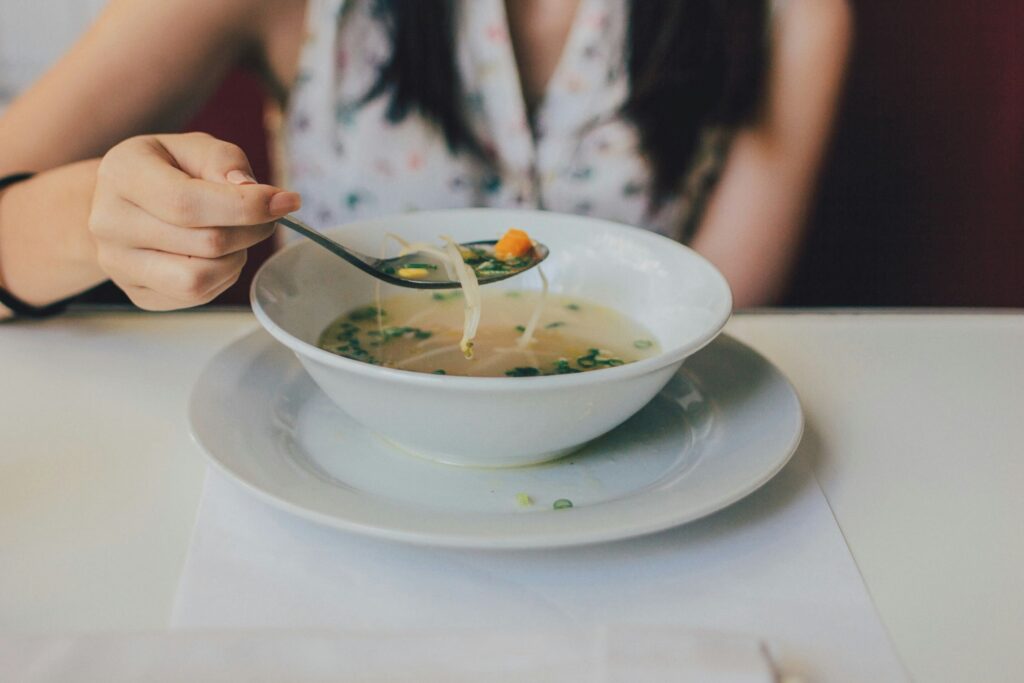
The Mediterranean diet is built around vegetables, fruits, fish, olive oil, whole grains, and nuts.
A study in The Lancet Psychiatry found that people following this diet had lower rates of depression
https://www.thelancet.com/journals/lanpsy/article/PIIS2215-0366(18)30254-3/fulltext.
The overall way you eat is just as important as the specific foods you choose.
How to Make Lasting Dietary Changes
Start with small steps. Try adding one healthy food to each meal instead of changing your whole diet at once. Aim for balance, not strict rules.
Combine good nutrition with enough sleep, regular movement, therapy, and support from others. Eating well works best as part of a full mental health plan.
Helpful Video Resource
Harvard University has a helpful video that explains the link between nutrition and mental health:
Final Thoughts
Knowing which foods help with depression and anxiety gives you more ways to support your mental health each day. Nutrition is not a replacement for treatment, but it can help you build a stronger foundation for healing.
If symptoms persist or worsen, always seek help from a qualified mental health professional.
References
- National Institute of Mental Health – Mental Illness Statistics
https://www.nimh.nih.gov/health/statistics/mental-illness - Harvard Health – The Gut-Brain Connection
https://www.health.harvard.edu/diseases-and-conditions/the-gut-brain-connection - JAMA Psychiatry – Omega-3 and Depression
https://jamanetwork.com/journals/jamapsychiatry/fullarticle/2730046 - Nutritional Neuroscience – Selenium and Mood
https://www.tandfonline.com/doi/abs/10.1080/1028415X.2014.889456 - World Health Organization – Depression
https://www.who.int/news-room/fact-sheets/detail/depression