

Now Reading: Yoga for Mental Health: A Natural Path to Emotional Balance
-
01
Yoga for Mental Health: A Natural Path to Emotional Balance
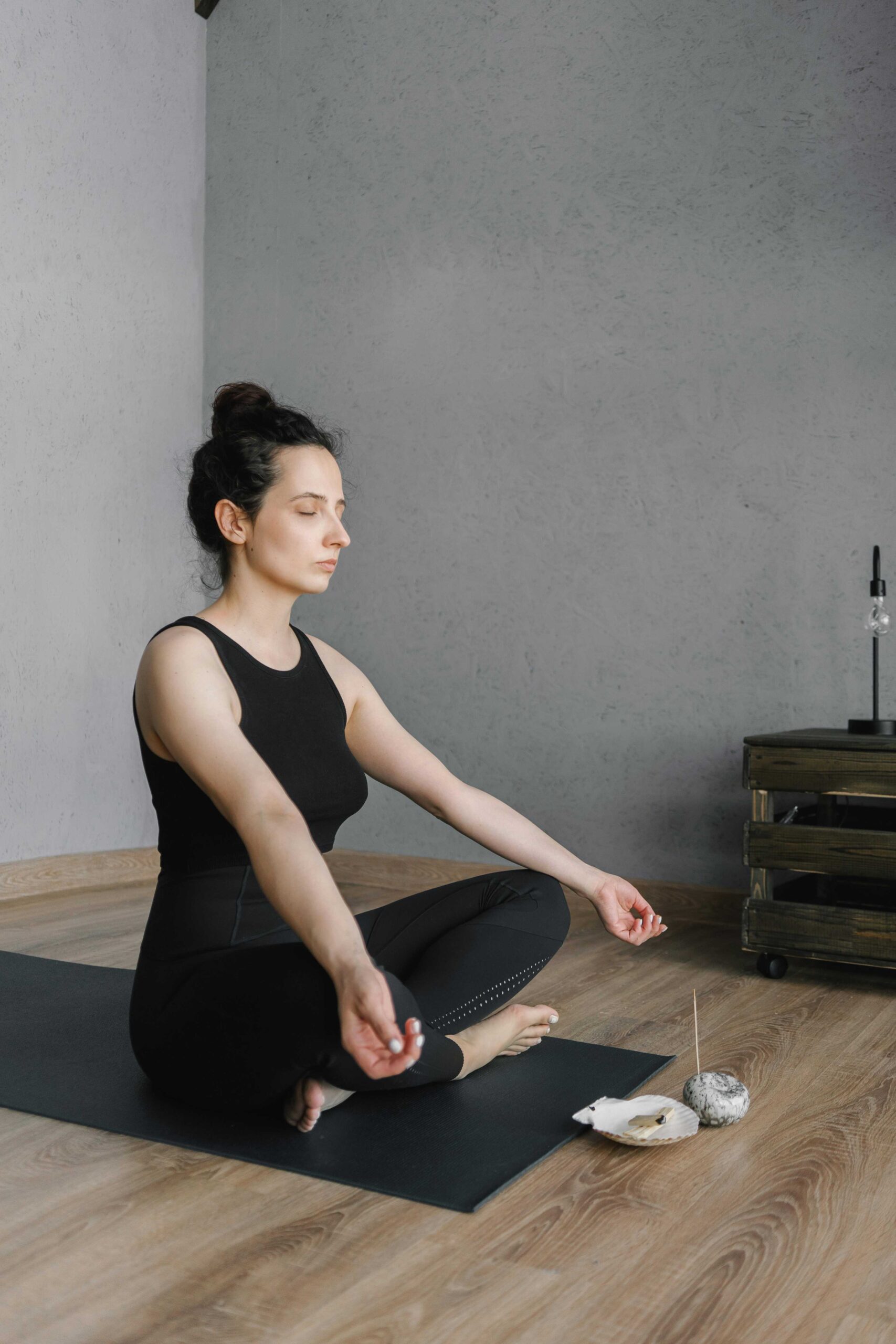
Mental health challenges affect millions of people worldwide. Anxiety, depression, stress, and burnout have become part of modern life. While therapy and medication are effective for many, people increasingly seek natural and supportive practices. Yoga for mental health has emerged as one of the most trusted mind–body tools to support emotional well-being.

Yoga is more than physical exercise. It combines movement, breath, and mindfulness. Together, these elements help calm the nervous system, improve mood, and build emotional resilience. This article explores how yoga for mental health works, what science says, and how you can start using it in daily life.
What Is Yoga for Mental Health?
Yoga for mental health focuses on practices that support emotional stability, stress regulation, and mental clarity. Unlike fitness-focused yoga, this approach emphasizes:
- Gentle movement
- Controlled breathing (pranayama)
- Mindfulness and meditation
- Nervous system regulation
Yoga teaches awareness of the present moment. This awareness helps people respond to stress instead of reacting automatically. Over time, yoga builds a stronger connection between the body and the mind.
How Yoga Supports Mental Health
1. Yoga Reduces Stress and Cortisol Levels
Chronic stress increases cortisol, the body’s primary stress hormone. High cortisol levels contribute to anxiety, sleep problems, and depression.
A study published in the Journal of Alternative and Complementary Medicine found that regular yoga practice significantly reduced cortisol levels compared to control groups (Streeter et al., 2012). Lower cortisol helps the body return to a relaxed and balanced state.
This is why yoga for mental health works so well for people dealing with daily stress.
2. Yoga Helps Reduce Anxiety
Anxiety disorders affect over 301 million people globally, according to the World Health Organization (WHO, 2023). Yoga offers both immediate and long-term relief from anxiety symptoms.
Slow breathing and gentle poses activate the parasympathetic nervous system. This system controls relaxation and safety responses in the body. When it activates, heart rate slows and racing thoughts settle.
A meta-analysis in Depression and Anxiety reported that yoga significantly reduced anxiety symptoms across multiple populations (Cramer et al., 2018).
3. Yoga Supports Depression Recovery
Depression affects more than 280 million people worldwide (WHO, 2023). Many people with depression experience fatigue, low motivation, and emotional numbness.
Yoga for mental health improves depression by:
- Increasing serotonin and GABA levels
- Improving sleep quality
- Encouraging gentle movement and routine
A study in JAMA Psychiatry found that yoga increased gamma-aminobutyric acid (GABA), a neurotransmitter linked to mood regulation (Streeter et al., 2010). Low GABA levels are common in people with depression.
The Mind–Body Connection in Yoga
Yoga Builds Body Awareness
Mental health conditions often disconnect people from their bodies. Trauma, anxiety, and depression can cause numbness or hypervigilance.
Yoga restores body awareness through mindful movement. This awareness helps people recognize early signs of stress, emotional overload, or fatigue. Early recognition allows better self-care decisions.
This is one reason therapists often recommend yoga for mental health alongside counseling.
Yoga Improves Emotional Regulation
Emotional regulation means managing feelings without becoming overwhelmed. Yoga teaches people to sit with discomfort while breathing calmly. This skill translates directly into daily life.
Over time, people practicing yoga for mental health report fewer emotional outbursts, better patience, and improved coping skills.
Types of Yoga That Support Mental Health
1. Hatha Yoga
Hatha yoga focuses on slow movements and basic poses. It works well for beginners and people experiencing anxiety or depression.
2. Yin Yoga
Yin yoga involves long-held poses and deep stretching. It calms the nervous system and supports emotional release. Yin yoga is especially helpful for chronic stress and burnout.
3. Trauma-Informed Yoga
Trauma-informed yoga creates a sense of safety and choice. It avoids physical adjustments and emphasizes personal control. This form of yoga for mental health benefits people with PTSD or complex trauma.
4. Restorative Yoga
Restorative yoga uses props to fully support the body. It promotes deep rest and nervous system healing. This practice helps people with insomnia, anxiety, and emotional exhaustion.
Yoga and Mindfulness: A Powerful Combination
Mindfulness means paying attention to the present moment without judgment. Yoga naturally trains mindfulness through breath and movement.
Research published in Frontiers in Human Neuroscience shows that mindfulness-based practices, including yoga, improve emotional regulation and reduce rumination (Tang et al., 2015).
By combining movement with awareness, yoga for mental health becomes a moving meditation that strengthens focus and emotional balance.
How Often Should You Practice Yoga for Mental Health?
You do not need long or intense sessions to see benefits. Studies show that even short, consistent practice helps.
- 10–20 minutes daily can reduce stress
- 2–3 sessions per week improve mood
- Regular practice over 8–12 weeks shows measurable mental health improvements
Consistency matters more than intensity. Gentle practice works better than forcing the body.
Getting Started with Yoga for Mental Health
Simple Tips for Beginners
- Start slow and choose beginner-friendly classes
- Focus on breath more than perfect poses
- Practice in a quiet and comfortable space
- Avoid pushing through pain or discomfort
Online videos, mental health-focused yoga classes, or trauma-informed instructors can help you begin safely.
Who Can Benefit from Yoga for Mental Health?
Yoga for mental health supports people dealing with:
- Anxiety disorders
- Depression
- PTSD and trauma
- Chronic stress
- Burnout
- Sleep problems
Yoga does not replace therapy or medication. However, research shows it works best as a complementary practice.
Final Thoughts: Why Yoga for Mental Health Matters
Mental health care is not one-size-fits-all. Healing often requires multiple tools. Yoga for mental health offers a gentle, accessible, and evidence-based way to support emotional well-being.
By calming the nervous system, improving mood chemistry, and strengthening mind–body awareness, yoga helps people feel more balanced and grounded. With consistent practice, yoga becomes more than exercise—it becomes a daily act of self-care and self-connection.
If you seek a natural way to support mental health, yoga for mental health is a powerful place to begin.