
Now Reading: Mindfulness Retreats for Anxiety Relief: Unplug, Reset, and Reconnect
-
01
Mindfulness Retreats for Anxiety Relief: Unplug, Reset, and Reconnect
Mindfulness Retreats for Anxiety Relief: Unplug, Reset, and Reconnect
In today’s fast-paced world, anxiety is more common than ever. Deadlines, digital overload, and daily stressors can leave us mentally and emotionally drained. While mindfulness apps and breathing techniques help, sometimes we need something deeper. That’s where mindfulness retreats for anxiety relief come in.
These retreats offer a chance to unplug, slow down, and reconnect with yourself. In a peaceful setting, free from distractions, you can focus on healing, learning new coping tools, and finding lasting calm.
What Are Mindfulness Retreats?
A mindfulness retreat is a structured program where individuals step away from their daily lives to focus on inner peace, self-awareness, and emotional healing. These retreats are typically held in natural environments—mountains, forests, or near the ocean—to promote stillness and serenity.
Most programs are led by experienced mindfulness or meditation teachers. Activities often include:
- Guided meditation sessions
- Breathing exercises
- Mindful walking
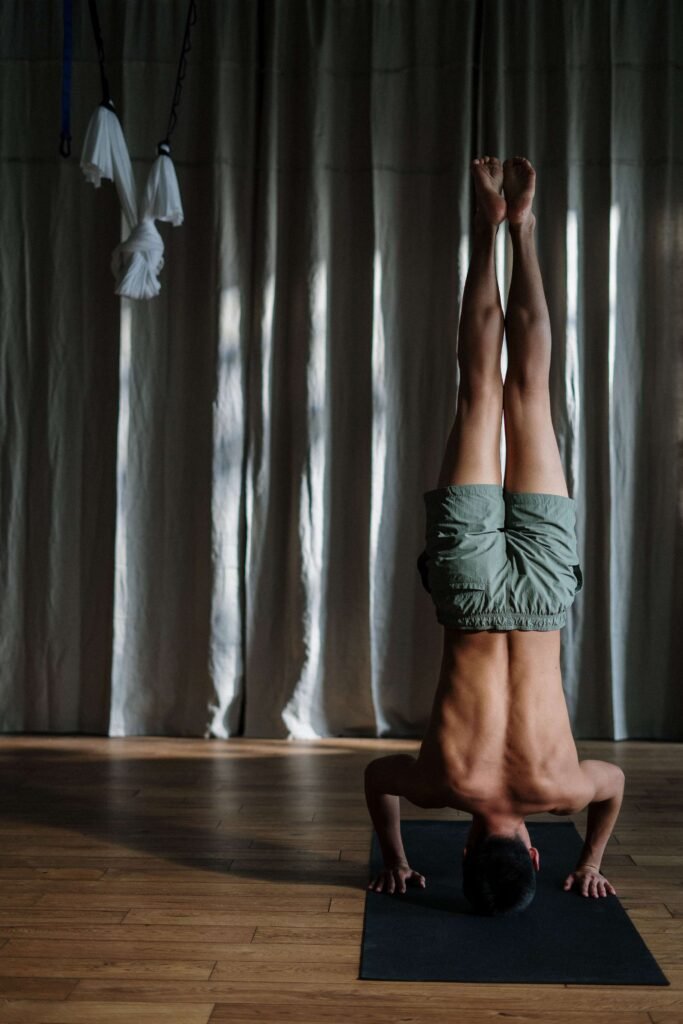
- Gentle yoga
- Group discussions
- Silence periods for deep reflection
The goal is simple: reduce stress, reconnect with your body and mind, and learn practical techniques for long-term well-being.
Why Choose a Mindfulness Retreat for Anxiety Relief?
Anxiety often pulls us into a cycle of overthinking, worrying, and emotional exhaustion. Mindfulness helps break that cycle by bringing attention to the present moment. When you combine mindfulness with a retreat setting, the healing can be profound.
Here’s why mindfulness retreats for anxiety relief are so effective:
1. You Disconnect from Daily Stressors
At a retreat, there are no buzzing phones, traffic jams, or to-do lists. Just quiet, nature, and focused time for you. This digital detox helps reduce cortisol—the stress hormone—and allows your mind to rest.
According to the American Psychological Association (APA), mindfulness-based practices help reduce anxiety, improve mood, and enhance emotional regulation (APA, 2021).
2. You Learn Mindfulness Techniques That Last
Retreats don’t just offer a temporary escape. They teach you how to breathe through panic, ground yourself during anxious moments, and stay present under pressure. You walk away with a toolkit you can use every day.
3. You Experience Community Support
Being around others on the same journey helps you feel less alone. Sharing stories, struggles, and small wins with like-minded individuals creates a sense of connection and encouragement.
What to Expect at a Mindfulness Retreat
Every retreat is different, but most follow a gentle and supportive structure. Here’s what a typical day might look like:
Morning
- Wake up to a peaceful environment
- Sunrise meditation or gentle yoga
- Light, healthy breakfast
- Silent mindful walking in nature
Midday
- Guided mindfulness session or workshop
- Journaling exercises
- Group discussions on anxiety, emotions, or self-care
Afternoon
- Time for reflection, rest, or one-on-one coaching
- Creative activities like art or music therapy
- Evening meditation to wind down
Many retreats also include silent periods to help participants go deeper into their thoughts without distractions.
Different Types of Mindfulness Retreats
There’s no one-size-fits-all when it comes to retreats. Here are a few options based on your preferences and needs:
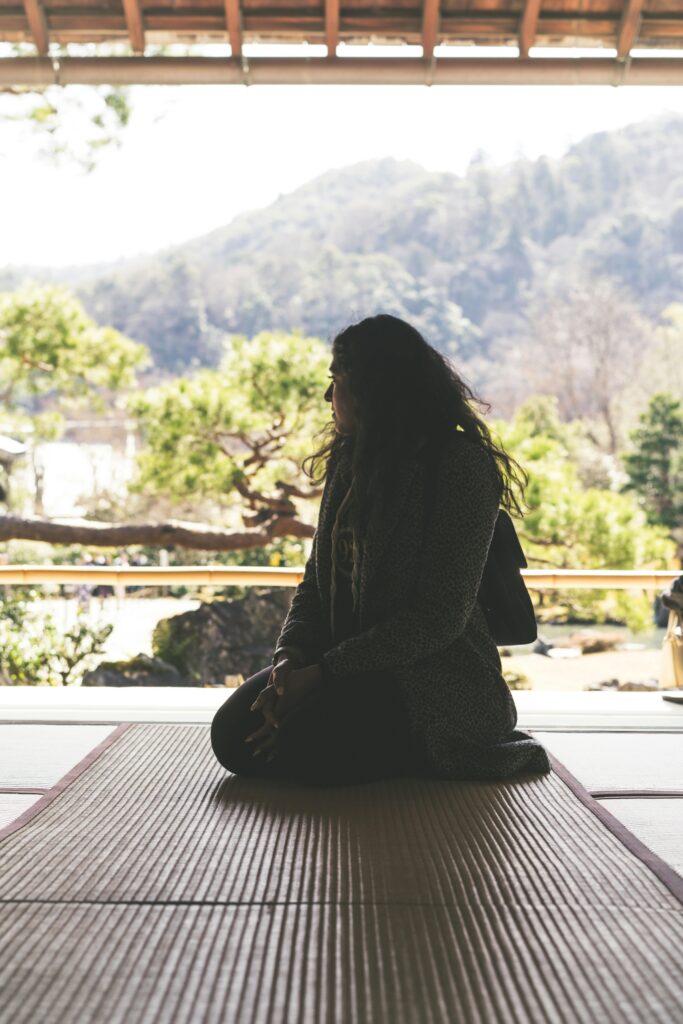
1. Silent Retreats
Participants practice mindfulness in silence, allowing for deep inner work and fewer distractions. Ideal for those seeking clarity and mental reset.
2. Nature-Based Retreats
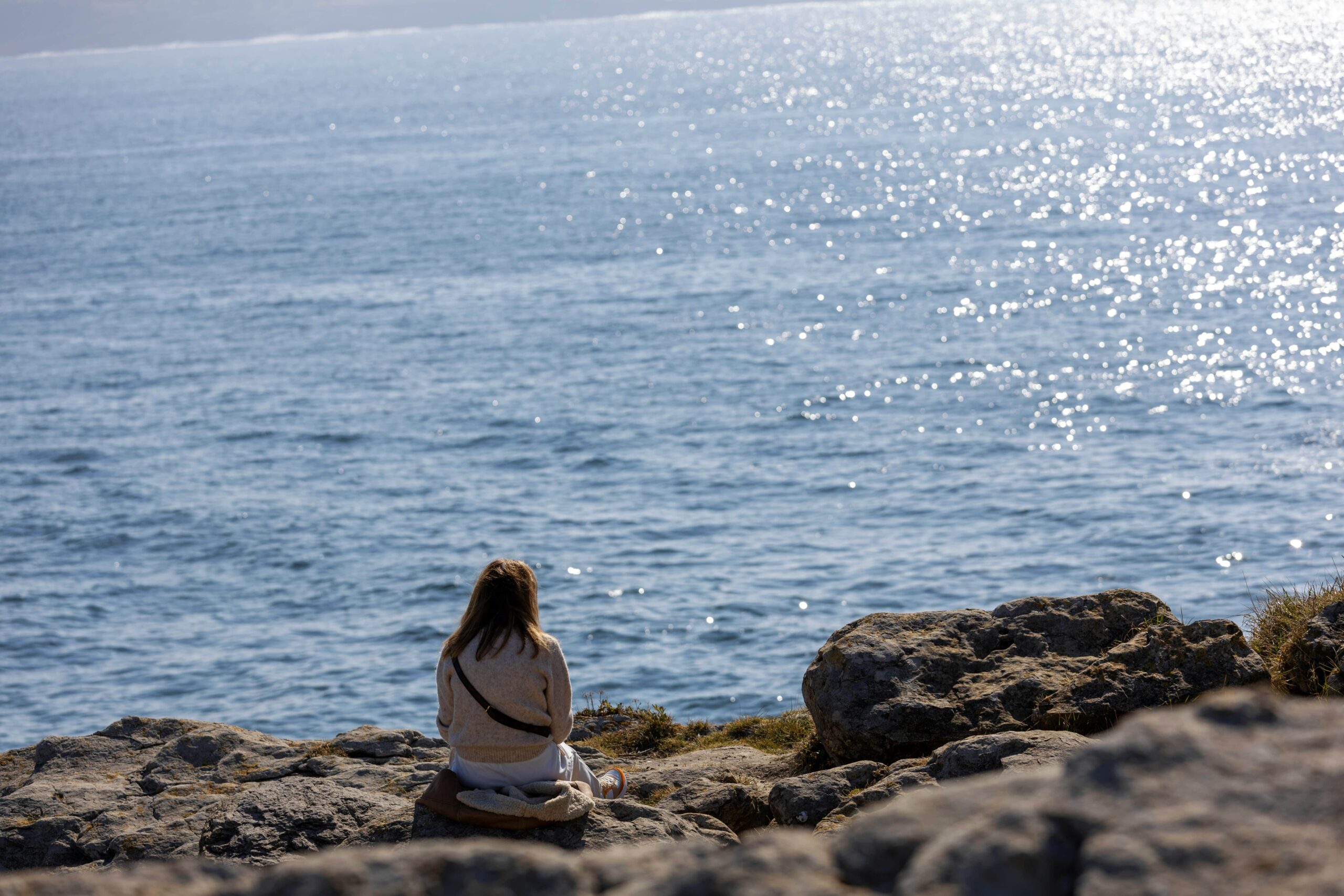
Held in forests, mountains, or by the sea, these retreats use nature as a healing tool. Activities may include hiking, forest bathing, or beach meditations.
3. Yoga and Mindfulness Retreats
These combine movement and mindfulness, promoting physical and mental harmony. Great for those who prefer an active yet calming experience.
4. Trauma-Informed Retreats
Led by therapists or trauma specialists, these retreats are tailored to people with a history of anxiety, PTSD, or emotional trauma. The focus is on safety, grounding, and healing.
Best Destinations for Mindfulness Retreats
Looking for a place to unplug and reset? Here are a few popular destinations known for offering quality mindfulness retreats for anxiety relief:
- Esalen Institute (California, USA) – Overlooks the Pacific Ocean and offers transformational retreats
- Gaia House (UK) – A peaceful center for silent meditation retreats in the English countryside
- Blue Spirit Retreat (Costa Rica) – Combines ocean views with deep healing work
- Plum Village (France) – Founded by Thich Nhat Hanh, this is a global hub for mindfulness learning
Wherever you go, choose a location that feels peaceful and welcoming to you.
Who Should Consider a Mindfulness Retreat?
You don’t need to be a meditation expert or yoga pro to attend a retreat. These programs are designed for:
- People struggling with anxiety, burnout, or stress
- Those recovering from emotional trauma
- Anyone seeking quiet time and mental clarity
- Professionals looking to reset and prevent mental fatigue
- Individuals wanting to deepen their mindfulness practice
Even just a few days can make a meaningful difference.
Real-Life Stories: How Retreats Transform Lives
Jessica, a 34-year-old teacher, joined a 5-day mindfulness retreat after experiencing work-related anxiety. “It was the first time in years I truly felt calm,” she says. “I learned how to breathe through my thoughts instead of running from them.”
Mark, who struggled with panic attacks, attended a silent retreat. “The silence scared me at first,” he admits. “But by day three, I found a peace I never thought possible.”
These stories reflect the profound emotional shifts that mindfulness retreats for anxiety relief can create.
Tips for Choosing the Right Retreat
- Read reviews and testimonials
- Check the facilitator’s experience
- Look for programs aligned with your goals (trauma-informed, silent, beginner-friendly)
- Start with a weekend retreat if you’re unsure about longer ones
- Make sure it’s in a safe, quiet location
Final Thoughts: Give Yourself the Gift of Stillness
In a world that constantly demands your attention, a mindfulness retreat offers something rare—a chance to be still. It’s not about escaping life, but about learning how to live more calmly and fully.
By attending mindfulness retreats for anxiety relief, you give your mind a break, your heart space to breathe, and your body a chance to reset. And when you return, you’ll carry the peace and clarity you gained with you into daily life.
References
- American Psychological Association (APA). “Mindfulness Practice and Mental Health.” 2021. https://www.apa.org
- Harvard Health Publishing. “Mindfulness Meditation May Ease Anxiety and Mental Stress.” 2020. https://www.health.harvard.edu
- Anxiety and Depression Association of America (ADAA). “Mindfulness for Anxiety.” https://adaa.org
Frequently Asked Questions (FAQs)
FAQs About Mindfulness Retreats for Anxiety Relief
What exactly is a mindfulness retreat and how does it help with anxiety?
A mindfulness retreat is a structured escape where you focus on present-moment awareness through practices like meditation, breathwork, and silent reflection. According to wellness experts, such retreats help reduce anxiety by removing daily triggers, calming the nervous system, and teaching you sustainable coping skills. (HealingHolidays)
How long should a retreat be to make a real impact on anxiety?
Effective mindfulness retreats for anxiety relief typically last 3 to 7 days, allowing time to disconnect, reset, and learn mindful tools. Shorter weekend getaways can help, but deeper change often comes after at least a full week. (Intensive Therapy Retreats)
What types of activities are included in mindfulness retreats for anxiety relief?
Activities often include guided meditation, yoga or gentle movement, breathwork, nature walks, group workshops on stress regulation, and quiet reflection. These elements address both mind and body for anxiety relief. (wellnesstourism.com)
How much does a mindfulness retreat cost and can I find budget-friendly options?
Costs vary widely based on location, duration, and amenities—some retreats cost several thousand dollars, while others offer simple, affordable options. Budget-friendly retreats may focus on minimal accommodation and fewer extras but still provide effective mindfulness tools. Content in your article can direct to affordable choices.
Can I get the benefits of a mindfulness retreat without travelling away?
Yes—while immersive retreats provide deep resets, you can gain many benefits at home. Consider a local mindfulness retreat, a weekend workshop, or create a mini-retreat by unplugging and practicing disciplined meditation and breathwork for 1–2 days. This supports anxiety relief when travel isn’t feasible.
What should I look for when choosing a mindfulness retreat for anxiety relief?
Look for:
- Qualified instructors (meditation, mindfulness, or therapists)
- A daily schedule with mindfulness and anxiety-specific tools
- A setting away from major stressors (quiet, nature-rich)
- Small group size or personalised support
- Reviews or testimonials related to anxiety reduction
Your article lists these selection criteria to guide readers.