
Now Reading: Best Daily Planner for ADHD: Features, Tips, and Options
-
01
Best Daily Planner for ADHD: Features, Tips, and Options
Best Daily Planner for ADHD: Features, Tips, and Options
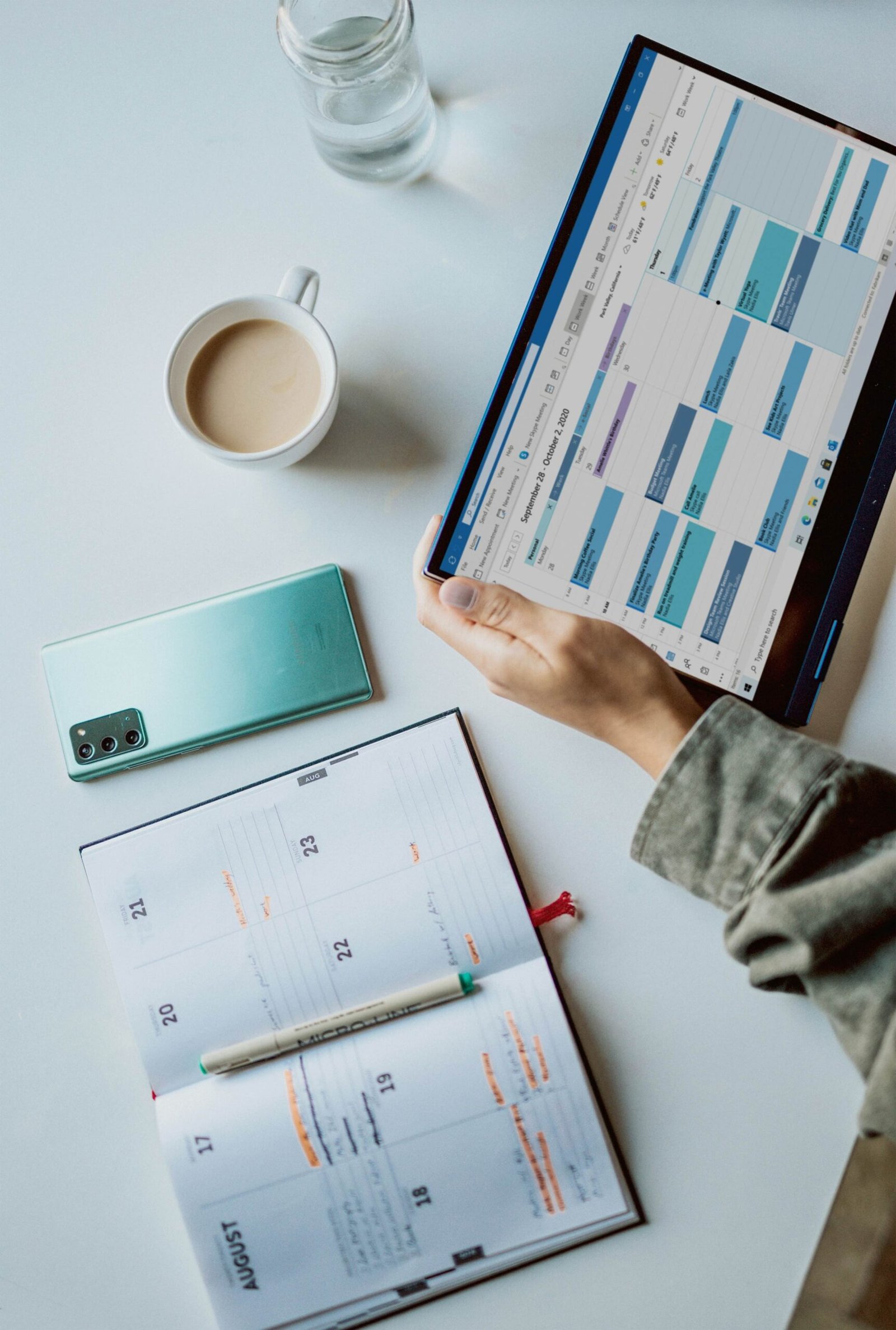
A planner might look perfect on the shelf but can still end up forgotten in a drawer after a few weeks. For people with ADHD, the challenge is not usually understanding the importance of planning. The real struggle is remembering to use the planner, estimating how long things will take, deciding what to do first, and actually getting started.
A good daily planner for ADHD helps you get appointments, ideas, deadlines, and tasks out of your head and into one clear place. CHADD points out that trouble with organization, time management, and working memory can cause lost time and unfinished plans for people with ADHD. Using a planner can make it easier to see and manage your responsibilities.
The most important thing is to keep it simple. Your planner should make things easier, not add more stress.
Why Can Daily Planning Be Difficult With ADHD?
ADHD can affect attention, organization, planning, memory, and task completion. The National Institute of Mental Health notes that adults with ADHD may struggle with poor time management, procrastination, remembering daily tasks, staying organized, and completing large projects.
Executive-function challenges are also relevant. A meta-analysis of 83 studies involving 3,734 participants with ADHD found significant weaknesses across several executive-function measures, particularly working memory, planning, vigilance, and response inhibition. However, these difficulties are not identical for every person with ADHD.
That’s why a daily planner for ADHD usually works best when it shows your time, priorities, and next steps clearly, instead of making you remember everything yourself.
What Makes a Good Daily Planner for ADHD?
A Simple Daily Layout
Too many sections can make a planner difficult to use.
Look for enough space to see appointments, important tasks, and notes without filling the page with trackers you do not need.
A simple daily planner for ADHD might contain:
- Today’s schedule
- Three priorities
- A short task list
- Notes
- A small space for tomorrow
Simple doesn’t have to be boring. It just means you can see what you need right away.
Space for Three Main Priorities
A long to-do list can become overwhelming.
CHADD recommends keeping a master task list but narrowing the immediate focus to just a few tasks that can realistically be accomplished.
Your planner might therefore have a box labeled:
Today’s Top 3
These three tasks are your main focus for the day. Anything else you get done is extra.
Time-Blocking Sections
A to-do list tells you what needs doing. It does not always tell you when you will do it.
Time blocking gives a task a place in your day.
For example:
9:00–9:30: Email
10:00–11:00: Report
12:30: Lunch
2:00–2:30: Appointment
This approach can make a daily planner especially helpful if time often feels unclear or hard to track.
Checklists and Small Steps
“Clean apartment” is vague.
Try:
- Load dishwasher
- Clear table
- Take trash out
- Vacuum living room
CHADD recommends breaking larger projects into smaller pieces and using deadlines or reminders when time management is difficult.
Breaking things into smaller steps helps you see exactly where to start.
Paper vs. Digital Daily Planner for ADHD
There isn’t one format that’s always better than the other.
A paper planner provides a visual page without notifications or social media distractions. Writing things down may also make planning feel more deliberate.
A digital daily planner for ADHD offers other advantages. You can set alarms, move tasks easily, create recurring appointments, and carry the planner on your phone.
CHADD points out that planners can be paper or digital. The important thing is to find a system that fits you, instead of using an app just because it works for someone else.
A hybrid method can also work well:
Digital calendar: appointments and reminders
Paper planner: today’s tasks and priorities
7 Useful Types of Daily Planner for ADHD
1. Time-Blocking Planner
An hour-by-hour layout can help connect tasks with actual periods of time.
Best for: Difficulty estimating or visualizing the day.
2. Minimal Daily Planner
This version contains only priorities, appointments, tasks, and notes.
Best for: People who feel overwhelmed by complicated systems.
3. Visual Planner
A visual planner may use colors, symbols, timelines, or large blocks.
Best for: People who process information more easily when they can scan it visually.
4. Digital Planner
Digital planners can combine calendars, reminders, recurring tasks, and notifications.
Best for: People who regularly use their phone or computer.
5. Bullet Journal
A notebook can become a flexible daily planner for ADHD using simple task symbols, daily logs, and monthly pages.
Focus on making it useful. You don’t need fancy drawings or decorations unless you really like them.
6. Academic Planner
Students can organize classes, assignment deadlines, study periods, exams, and projects.
CHADD notes that completing homework successfully involves organization, time management, planning, and maintaining attention.
7. Undated Planner
An undated planner can be more forgiving if you miss a few days.
If you forget to use it for several days, you simply start again. There are no wasted pages reminding you that you “failed.”
Best for: Inconsistent planner use.
How to Use a Daily Planner for ADHD
Buying a planner is simple. The real challenge is using it regularly.
CHADD recommends creating a scheduled daily planning session and checking a planner regularly, such as morning, midday, and evening.
Start smaller if three check-ins feel unrealistic.
Morning: Choose the Day’s Priorities
Spend five minutes reviewing:
- Appointments
- Deadlines
- Top three tasks
Ask: What genuinely needs my attention today?
Add Realistic Time Estimates
Write an estimated duration beside important tasks.
If you think laundry will take 20 minutes but it often takes 45, adjust future plans.
Over time, this can help make your daily planner more accurate and useful.
Break Down Anything You Keep Avoiding
Instead of “prepare presentation,” write:
- Open slides
- Add title
- Make outline
- Create first three slides
Each next step should be clear, so you can get started without needing to plan again first.
Review Again in the Evening
Do not copy every unfinished task onto tomorrow automatically.
Ask:
Does this still matter?
Move only useful tasks forward.
Make Your Planner Hard to Forget
One problem with any daily planner for ADHD is remembering it exists.
CHADD recommends keeping a planner in a consistent place when you are not carrying it, such as near your phone, keys, bag, or front door.
Other ideas include:
- Leave it open on your desk
- Set a morning planner alarm
- Pair planning with morning coffee
- Keep a digital widget on your phone screen
- Put the paper planner beside your laptop
Keeping your planner visible helps you remember to use it.
Avoid Planner Overload
One calendar, three task apps, sticky notes, two notebooks, and an email inbox can cause more confusion than organization.
CHADD emphasizes finding an organizational system that fits the individual rather than trying to fit yourself into a particular app or method.
A simple daily planner might work better for ADHD than one with lots of features.
Start with:
One calendar + one daily task list + reminders when needed.
Add features only when they solve a real problem.
Common ADHD Planner Mistakes
The first mistake is making the planner too complicated.
Another is adding 25 tasks to one day and then feeling disappointed when only six are done.
Other common problems include:
- Forgetting transition time
- Rewriting lists instead of doing tasks
- Maintaining too many systems
- Planning every minute
- Hiding the planner in a drawer
- Giving up after missing a few days
- Treating every task as urgent
The best daily planner for ADHD allows imperfect days.
A missed day is not a reason to abandon the system. Open the next page and continue.
Can a Daily Planner Treat ADHD?
No.
A planner is an organizational support tool. It does not treat the underlying disorder.
NIMH states that common treatments for adult ADHD include medication and psychotherapy, including behavioral and cognitive behavioral approaches. Some people may also benefit from coaching that focuses on executive-function skills.
A daily planner for ADHD can support these skills by making appointments, priorities, tasks, and time more visible.
If difficulties with attention, organization, impulsivity, or daily functioning are significant, a professional ADHD assessment and appropriate treatment matter more than finding the perfect notebook.
Daily Planner for ADHD Students
Students often need to manage several timelines simultaneously.
A useful student page might include:
Today’s classes
Assignments due
Three priorities
Study blocks
Upcoming exams
Personal activities
CHADD describes programs for students with ADHD that specifically teach skills such as recording assignments, planning ahead, organizing materials, and managing time.
A student daily planner for ADHD should therefore make deadlines visible while breaking long projects into smaller checkpoints.
Frequently Asked Questions
What Is the Best Daily Planner for ADHD?
There is no single best planner. Look for something simple, visible, flexible, and easy to review. The best planner is the one you can consistently return to.
Is Paper or Digital Better for ADHD?
Both can work. Paper reduces screen distractions, while digital tools provide alarms, recurring tasks, and easier rescheduling.
Why Do People With ADHD Stop Using Planners?
Common reasons include forgetting to check the planner, creating an overly complicated system, planning too many tasks, or giving up after missing several days.
How Many Tasks Should Be in a Daily Planner?
Start with three main priorities. Keep a separate master list for everything else.
Are Undated Planners Good for ADHD?
They can be. Missing several days does not leave unused dated pages, which makes restarting easier.
Can a Planner Help With ADHD Time Management?
Yes, it may help externalize appointments and responsibilities. CHADD specifically recommends day planners as one strategy for managing time, remembering responsibilities, and staying organized.
Final Thoughts
The best daily planner for ADHD is not necessarily the prettiest planner or the app with the most features.
It is the system that makes your day easier to see.
Start with three priorities, realistic time blocks, small task steps, and a short daily review. Keep the planner visible and allow yourself to restart whenever you stop using it.
A daily planner for ADHD should move information out of your working memory and into a dependable external system. It should reduce pressure—not become another source of guilt.
Helpful YouTube Resource
Here’s a helpful video:
References
1. CHADD — Time Management and ADHD: Day Planners.
Practical guidance on using paper or digital planners, daily planning sessions, regular check-ins, and building planner habits.
Read CHADD’s Day Planner Guide
2. National Institute of Mental Health — ADHD in Adults: 4 Things to Know.
Reviews ADHD symptoms, daily difficulties involving organization and time management, and evidence-based treatment approaches.
Read the NIMH ADHD Guide
3. CHADD — Time Management and ADHD: To-Do Lists.
Explains how external task lists can reduce reliance on memory and provide a central place for responsibilities.
Read CHADD’s To-Do List Guide
4. CHADD — Find the Right Organizational System for You.
Discusses why organizational systems should match the individual’s needs rather than forcing every person with ADHD into the same app or method.
Read CHADD’s Organization Guide
5. Willcutt EG, et al. — Validity of the Executive Function Theory of ADHD: A Meta-Analytic Review.
This meta-analysis included 83 studies and found significant executive-function weaknesses across several measures in groups with ADHD, while also emphasizing individual variation.
View the study on PubMed