
Now Reading: Ginger Cinnamon Benefits: 8 Reasons to Combine Them
-
01
Ginger Cinnamon Benefits: 8 Reasons to Combine Them
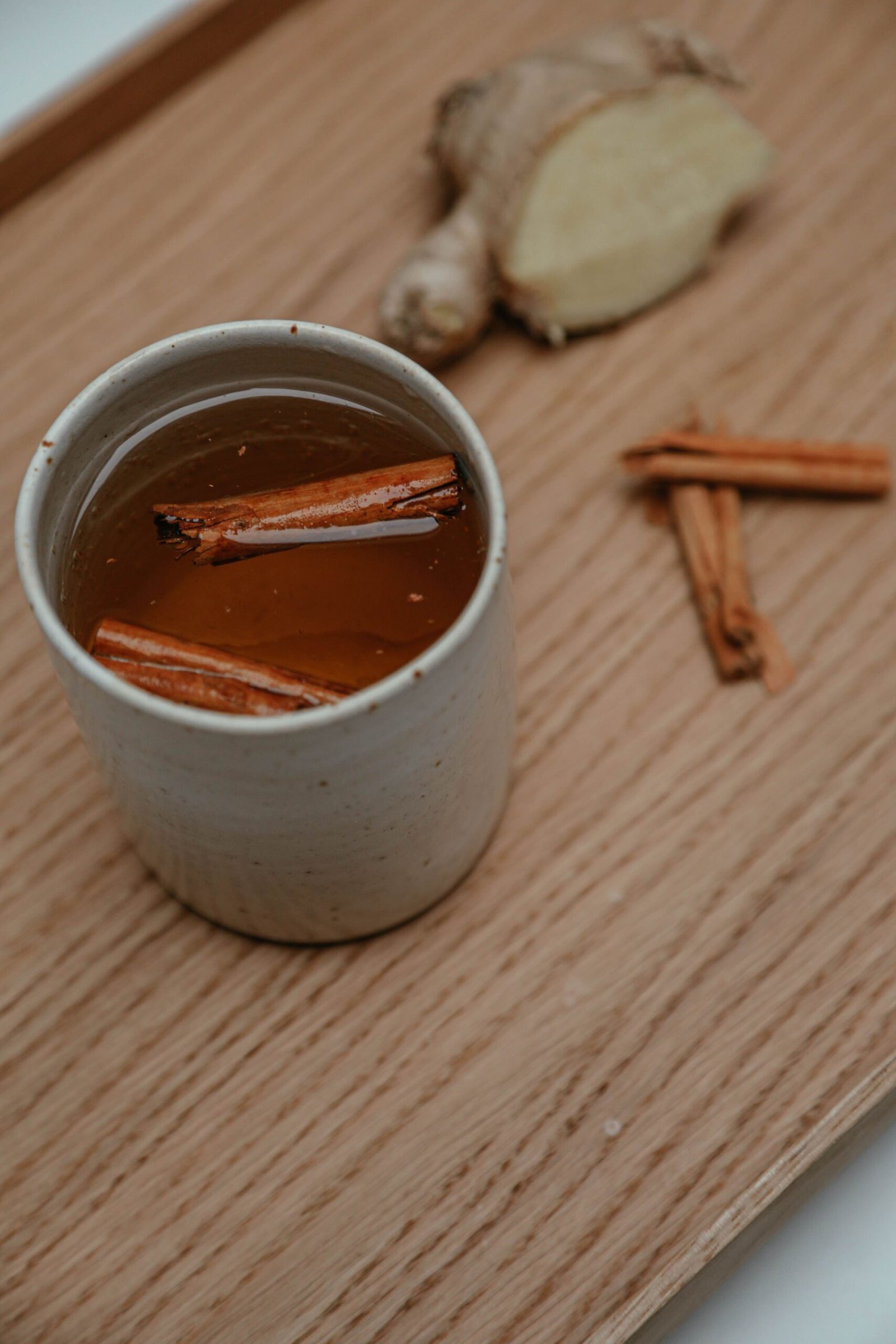
Ginger and cinnamon are warming spices found in kitchens around the world. For centuries, people have used them in traditional wellness practices. Today, researchers are studying their benefits and the plant compounds that may be responsible.
Ginger has compounds like gingerols and shogaols, while cinnamon contains cinnamaldehyde and polyphenols. Research suggests both spices may have antioxidant and anti-inflammatory effects, but most studies look at them separately, not together.
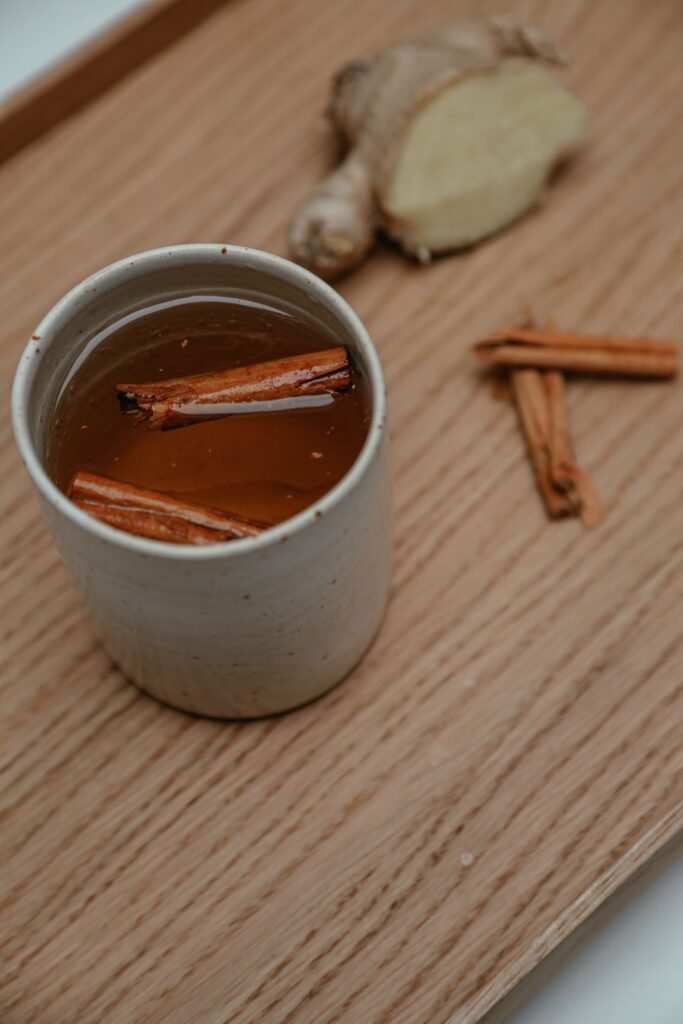
What occurs when ginger and cinnamon are put together?
When you combine ginger and cinnamon, you get a drink or meal with plant compounds from both. Ginger brings its unique flavor, while cinnamon adds warmth and a mild sweetness.
Just because two healthy ingredients are combined does not mean their benefits multiply. Most evidence for ginger and cinnamon comes from studies on each spice alone. There is much less research on their combined effects.
8 Potential Ginger Cinnamon Benefits
1. Provides Antioxidant Compounds
Ginger and cinnamon both contain antioxidants, which may be helpful. Antioxidants help the body manage oxidative stress, which happens when free radicals and the body’s defenses are out of balance.
A 2020 review of 25 studies found that ginger had a positive effect on several markers of inflammation and oxidative stress. While ginger-cinnamon tea does not ‘detox’ the body, this research shows why scientists are interested in these spices.
2. May help to produce a healthy inflammatory response
Ginger has also been given a great deal of attention for its anti-inflammatory properties.
A meta-analysis of 16 randomized controlled trials with a total of 1,010 participants showed that ginger supplementation had a significant effect in reducing CRP, high-sensitivity CRP, and TNF-α. The researchers, however, did not discover a significant impact on all of the inflammatory markers that they examined.
Cinnamon also contains plant compounds with biological effects, but drinking ginger-cinnamon tea should not be seen as a cure for inflammatory diseases.
3. Ginger may help to relieve nausea.
There is good evidence that ginger helps relieve nausea, but most of this research focuses on ginger alone.
According to the National Center for Complementary and Integrative Health, research indicates that ginger could be of some help in relation to the nausea and vomiting experienced during pregnancy. However, the evidence concerning motion sickness, chemotherapy-induced nausea, and postoperative nausea is not very certain.
You can add cinnamon for flavor, but there is no strong evidence that it makes ginger more effective for nausea.
4. May help to maintain normal blood sugar levels
Cinnamon has been extensively researched for its potential effects on blood glucose.
The National Center for Complementary and Integrative Health states that its 2019 review of 16 studies, which included 1,098 people, showed cinnamon supplementation to have reduced fasting blood glucose and insulin resistance in individuals who had prediabetes or type 2 diabetes.
However, the NCCIH says research has not proven that herbal supplements reliably treat diabetes. You should never replace prescribed diabetes medication with ginger, cinnamon, or other supplements.
5. May help to support heart and metabolic health
Research into the benefits of ginger and cinnamon also includes studies of cholesterol, blood pressure, glucose control, and other metabolic markers.
Certain studies involving ginger or cinnamon supplements say that there are favorable changes, but the results depend on the dose, the people involved, the length of the study, and the type of cinnamon used.
It is best to include these spices as part of a heart-healthy diet, rather than expecting them alone to lower cholesterol or blood pressure.
6. May help to promote comfortable digestion
Ginger has been used for a long time to relieve digestive discomfort, and modern research has also looked into its effects on nausea and digestive function.
A review based on109 randomized controlled trials showed fairly consistent evidence in support of ginger regarding issues such as nausea associated with pregnancy and digestive function, even though there was variation both in the quality of the studies and in the results.
A ginger and cinnamon drink can be a tasty alternative to sugary beverages.
7. Has been studied with regard to exercise performance.
There was a study that directly compared ginger and cinnamon among athletes.
The researchers took 60 Iranian women who had been trained and divided them into groups receiving ginger, cinnamon, or a placebo. The participants were given 3 grams each per day for a period of six weeks, and 49 of them finished the study.
Within the various groups, there were some changes, but the researchers discovered no significant differences between the groups with regard to oxidative stress, body composition, or exercise performance; for more information about the study,see here.
Ginger and cinnamon should not be promoted as improving athletic performance.
8. It enhances taste without using a great deal of sugar.
One simple benefit is that ginger and cinnamon add a lot of flavor without much sugar.
You can add them to oatmeal, yogurt, smoothies, curries, soups, or hot drinks. Cinnamon’s sweet aroma can also make foods taste sweeter without adding sugar.
This means both spices can be part of a balanced diet.
Ginger Cinnamon Tea Benefits
Many people turn to tea to get the benefits of ginger and cinnamon. This tea is warming and contains the natural compounds from both spices.
A drink made with just ginger, cinnamon, and water is naturally caffeine-free. It can be a good warm option if you want something besides coffee or sweetened drinks.
A cup of homemade tea is not the same as the concentrated supplements used in many studies. You should not assume that results from supplement studies apply directly to homemade tea.
How to Make Ginger Cinnamon Tea
Simple Ginger Cinnamon Tea Recipe
Use about two cups of water and add one or two thin slices of fresh ginger plus a small cinnamon stick. Heat the water to a boil, then lower the heat and let it simmer for about 10 minutes.
Strain the drink before serving. You can add lemon for extra flavor or a little honey if you prefer it sweeter.
There is no need to call this a ‘detox tea.’ Your body already has organs like the liver and kidneys that handle waste removal.
Does ginger and cinnamon help with weight loss?
Some people say ginger and cinnamon help with weight loss, but drinking ginger-cinnamon tea does not automatically burn body fat.
It has not yet been made clear by the NCCIH whether taking cinnamon aids weight loss, and studies concerning ginger and body composition have likewise given differing results.
There is no drink which can selectively eliminate belly fat, and sustainable weight loss is mainly due to long-term energy balance, one’s eating habits, physical activity, sleep, and other individual factors.
Replacing a high-calorie sugary drink with unsweetened ginger-cinnamon tea may help you cut calories, but the spices themselves do not directly ‘melt fat.’
Ginger and Cinnamon for Blood Sugar
One of the areas that has been most extensively studied in relation to the possible benefits of ginger and cinnamon is blood sugar control, especially when it comes to cinnamon.
However, the NCCIH notes that studies on cinnamon are hard to compare because researchers use different species, plant parts, doses, and preparations. Research has not clearly shown that cinnamon treats any health condition.
Before taking diabetes medication, individuals should consult a healthcare professional if they are going to take concentrated cinnamon or ginger supplements.
Best Time to Drink Ginger Cinnamon Tea
There is no scientific evidence for the best time to drink ginger-cinnamon tea.
You can drink it in the morning, after a meal, or in the evening. Since ginger-cinnamon tea is caffeine-free, it can be a good choice at night if you tolerate it well.
Drinking it on an empty stomach does not seem to offer any special benefits.
Ginger Cinnamon Benefits for Women
Ginger has been studied as a remedy for various women’s health problems and according to the NCCIH ginger supplements might help reduce the severity of menstrual cramps and could also be of some help with mild nausea and vomiting during pregnancy.
Pregnancy requires extra care, and the NCCIH says the safety of ginger supplements during pregnancy is not certain. Pregnant women should talk to a healthcare professional before taking ginger supplements.
The quantities used in food are different from those found in concentrated supplements.
Ginger and Cinnamon Side Effects
Both spices are usually safe in food, but taking large or concentrated amounts can cause problems.
Ginger might lead to heartburn, abdominal discomfort, diarrhoea, or irritation of the mouth and throat; it can also have interactions with certain medicines.
Cinnamon is usually regarded as safe when used in ordinary food quantities; however, Cassia cinnamon can contain relatively high levels of coumarin. The NCCIH states that in sensitive individuals, especially those who have liver disease, the prolonged use of large quantities of Cassia cinnamon could be a concern.
If you take regular medications, have liver disease, diabetes, or are pregnant, talk to a healthcare professional before using concentrated supplements.
Frequently Asked Questions
Is it good to drink ginger and cinnamon every day?
Most people can include normal amounts of these spices in their diets, but taking high-dose supplements every day is different and may carry more risks.
Does ginger and cinnamon help to detoxify your body?
There is no strong evidence that ginger and cinnamon drinks can remove toxins from your body.
Can ginger and cinnamon help to reduce tummy fat?
No drink can specifically reduce belly fat. Weight loss needs a long-term, balanced approach.
Can ginger and cinnamon help to lower blood sugar?
Research into the metabolic effects of both spices has been carried out, but they should not be used as a replacement for diabetes medication or for professional medical care.
Is it all right to drink ginger cinnamon tea in the evening?
So long as you find it comfortable to do so. Plain ginger-cinnamon tea is naturally free from caffeine.
Final Thoughts
The greatest ginger and cinnamon benefits are due to the various plant compounds present in these two widely used spices, with ginger having a relatively strong body of evidence regarding certain kinds of nausea and both spices having been the subject of studies into their antioxidant, anti-inflammatory, and metabolic effects.
Although a great many of the supposed health benefits of ginger and cinnamon are based on studies that have looked at ginger or cinnamon separately, there is still very little research into the combination. It is possible to include them in tea and food as a simple element of a well-balanced diet, but they should not be used as a substitute for established medical treatment.
Helpful YouTube Resource
Here’s a helpful video:
References
1. National Center for Complementary and Integrative Health — Ginger: Usefulness and Safety
https://www.nccih.nih.gov/health/ginger/
2. National Center for Complementary and Integrative Health — Cinnamon: Usefulness and Safety
https://www.nccih.nih.gov/health/cinnamon/
3. Morvaridzadeh M, et al. — Effect of Ginger on Inflammatory Markers: Systematic Review and Meta-Analysis
https://pubmed.ncbi.nlm.nih.gov/32763761/
4. Jalali M, et al. — Effects of Ginger Supplementation on Inflammatory and Oxidative Stress Markers
https://pubmed.ncbi.nlm.nih.gov/32147845/
5. Anh NH, et al. — Ginger on Human Health: Systematic Review of 109 Randomized Controlled Trials
https://pubmed.ncbi.nlm.nih.gov/31935866/
6. Mashhadi NS, et al. — Ginger and Cinnamon Intake in Iranian Female Athletes
https://pmc.ncbi.nlm.nih.gov/articles/PMC3665022/
7. NCCIH — Diabetes and Dietary Supplements: What You Need to Know
https://www.nccih.nih.gov/health/diabetes-and-dietary-supplements-what-you-need-to-know