

Now Reading: Oolong Tea and Green Tea: Key Differences, Benefits, and Which Is Better?
-
01
Oolong Tea and Green Tea: Key Differences, Benefits, and Which Is Better?

When comparing oolong tea and green tea, many people wonder which one is healthier. The answer isn’t as simple as choosing one over the other. Both teas come from the same plant, Camellia sinensis, but their processing methods create unique flavors, caffeine levels, and health properties.
Whether you enjoy a light, grassy cup of green tea or the smooth, floral taste of oolong, both beverages offer valuable nutrients and antioxidants. In this guide, we’ll compare oolong tea and green tea, explain their differences, review the science behind their health benefits, and help you decide which one best fits your lifestyle.

What Are Oolong Tea and Green Tea?
Before comparing oolong tea and green tea, it’s helpful to understand where these teas come from.
Both green tea and oolong tea are made from the leaves of the Camellia sinensis plant. The biggest difference is how the leaves are processed after harvesting.
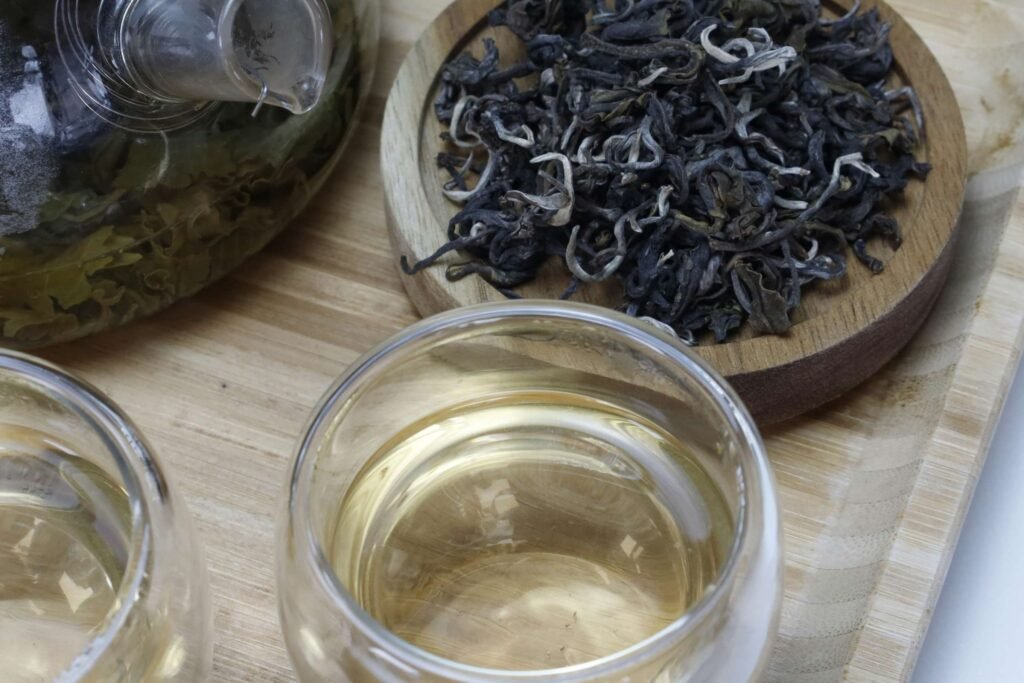
Green tea undergoes very little oxidation. The leaves are quickly heated by steaming or pan-firing to stop oxidation, preserving their bright green color and fresh taste.
Oolong tea is partially oxidized. Depending on the variety, oxidation ranges from about 10% to 80%, giving the tea a flavor that falls between green tea and black tea. This partial oxidation creates floral, fruity, or roasted notes that many tea lovers appreciate.
Black tea, by comparison, is fully oxidized, resulting in a darker color and stronger flavor.
How Oolong Tea and Green Tea Are Made
The production process is what truly separates oolong tea from green tea.
How Green Tea Is Processed
Green tea follows a relatively simple process:
- Fresh leaves are harvested.
- The leaves are steamed or pan-fired to prevent oxidation.
- They are rolled into shape.
- Finally, the leaves are dried and packaged.
Because oxidation is minimized, green tea keeps its fresh color and naturally high levels of catechins, including epigallocatechin gallate (EGCG).
How Oolong Tea Is Processed
Oolong tea requires more craftsmanship.
The leaves are first withered in the sun before being gently bruised through rolling or shaking. This starts controlled oxidation. Once the desired oxidation level is reached, the leaves are roasted to stop the process, rolled into their final shape, and dried.
This careful processing gives oolong tea and green tea distinctly different aromas, colors, and flavor profiles despite coming from the same plant.
Oolong Tea Green Tea Comparison
| Feature | Green Tea | Oolong Tea |
| Plant | Camellia sinensis | Camellia sinensis |
| Oxidation | Very Low | Partial (10–80%) |
| Flavor | Fresh, Grassy | Floral, Fruity, Smooth |
| Tea Color | Pale Green | Golden to Amber |
| Average Caffeine | 20–45 mg per cup | 30–50 mg per cup |
| Main Antioxidants | EGCG & Catechins | Polyphenols & Theaflavins |
| Best For | Daily Drinking | Rich Flavor & Multiple Infusions |
This comparison shows that oolong tea and green tea share many similarities while offering unique drinking experiences.
Health Benefits of Oolong Tea and Green Tea
1. Rich in Antioxidants
One of the biggest strengths of oolong tea and green tea is their antioxidant content.
Green tea is famous for EGCG, while oolong contains a wider range of polyphenols produced during partial oxidation. These antioxidants help protect cells from oxidative stress, which may contribute to healthy aging.
According to the Harvard T.H. Chan School of Public Health, tea is an excellent source of naturally occurring polyphenols that support overall health. Learn more at https://www.hsph.harvard.edu/nutritionsource/food-features/tea/.
2. May Support Heart Health
Regular tea consumption has been associated with improved heart health in several observational studies.
Research published through PubMed suggests that people who regularly drink tea may have a lower risk of certain cardiovascular diseases, although lifestyle factors also play an important role. Read more at https://pubmed.ncbi.nlm.nih.gov/.
Both oolong tea and green tea should be viewed as part of an overall heart-healthy lifestyle that includes exercise, nutritious eating, and adequate sleep.
3. May Help With Weight Management
Many people choose oolong tea or green tea when trying to maintain a healthy weight.
Green tea’s catechins and the moderate caffeine found in both teas may slightly increase energy expenditure. However, the effects are generally modest.
No tea alone causes significant weight loss. Drinking oolong tea or green tea works best when combined with regular physical activity and a balanced diet.
4. Supports Brain Function
Both teas naturally contain caffeine and L-theanine, an amino acid that may promote calm alertness.
Unlike coffee, which often delivers a quick burst of energy, oolong tea and green tea may provide a smoother increase in focus and concentration. Many people enjoy these teas while studying or working because they feel alert without becoming overly stimulated.
5. May Support Healthy Blood Sugar
Researchers continue to study whether oolong tea or green tea may help support healthy blood sugar levels.
Although some studies show promising results, current evidence is not strong enough to recommend either tea as a treatment for diabetes. Medical advice and prescribed treatments should always come first.
Which Tea Has More Caffeine?
When comparing oolong tea and green tea, caffeine is an important consideration.
A typical cup of green tea contains 20–45 mg of caffeine, while oolong tea generally contains 30–50 mg per cup. Brewing time, water temperature, tea variety, and leaf quality all influence the final caffeine level.
According to the U.S. Food & Drug Administration (FDA), up to 400 mg of caffeine per day is generally considered safe for most healthy adults. Learn more at https://www.fda.gov/.
Which Tea Tastes Better?
Taste is one of the biggest differences between oolong tea and green tea.
Green tea usually has a fresh, grassy, and slightly vegetal flavor. It feels light and refreshing.
Oolong tea offers a wider range of flavors, including floral, fruity, creamy, roasted, and slightly sweet notes, depending on how much the leaves are oxidized.
Neither tea is objectively better—it simply depends on your personal preference.
How to Brew Oolong Tea and Green Tea
Proper brewing helps you enjoy the best flavor from oolong tea and green tea.
Green Tea
- Water temperature: 75–80°C (167–176°F)
- Steeping time: 2–3 minutes
Avoid boiling water because it can make green tea taste bitter.
Oolong Tea
- Water temperature: 85–95°C (185–203°F)
- Steeping time: 3–5 minutes
High-quality oolong leaves can often be steeped multiple times, with each infusion revealing slightly different flavors.
Possible Side Effects
Although oolong tea and green tea are generally safe, they do contain caffeine.
People who are sensitive to caffeine may experience restlessness or difficulty sleeping if they drink tea late in the day.
Tea may also reduce iron absorption when consumed with meals. If you have iron deficiency, consider drinking oolong tea or green tea between meals instead.
Pregnant or breastfeeding women should discuss caffeine intake with their healthcare provider.
Frequently Asked Questions
Is oolong tea healthier than green tea?
Both are healthy choices. Green tea contains more EGCG, while oolong tea provides a broader range of polyphenols because of its partial oxidation.
Which has more caffeine?
Oolong tea generally contains slightly more caffeine than green tea, although the difference is usually small.
Can I drink both every day?
Yes. Most healthy adults can enjoy oolong tea and green tea daily in moderation as part of a balanced diet.
Which tea is better for weight loss?
Neither tea is a magic solution. Both may provide modest support when combined with healthy eating and regular exercise.
Why do they taste different?
Their flavor differences come mainly from oxidation. Green tea undergoes minimal oxidation, while oolong tea is partially oxidized.
Final Thoughts
Choosing between oolong tea and green tea doesn’t have to be difficult. Both teas come from the same plant, yet their unique processing methods create distinct flavors, aromas, and antioxidant profiles.
If you enjoy a fresh, light taste with slightly lower caffeine, green tea is an excellent option. If you prefer a richer, smoother cup with complex floral notes, oolong tea may become your favorite. Either way, oolong tea or green tea can be a delicious and healthy addition to your daily routine when enjoyed as part of an overall balanced lifestyle.
Recommended YouTube Resource
Here’s a helpful video:
References
- Harvard T.H. Chan School of Public Health – Tea and Health: https://www.hsph.harvard.edu/nutritionsource/food-features/tea/
- U.S. Food & Drug Administration (FDA) – Caffeine Information: https://www.fda.gov/food/food-additives-petitions/spilling-beans-how-much-caffeine-too-much
- PubMed – Tea Research: https://pubmed.ncbi.nlm.nih.gov/
- National Institutes of Health (NIH): https://www.nih.gov/
- Tea Association of the U.S.A.: https://www.teausa.com/