

Now Reading: Vitamin Deficiency Dry Eyes: 5 Nutrients to Know
-
01
Vitamin Deficiency Dry Eyes: 5 Nutrients to Know

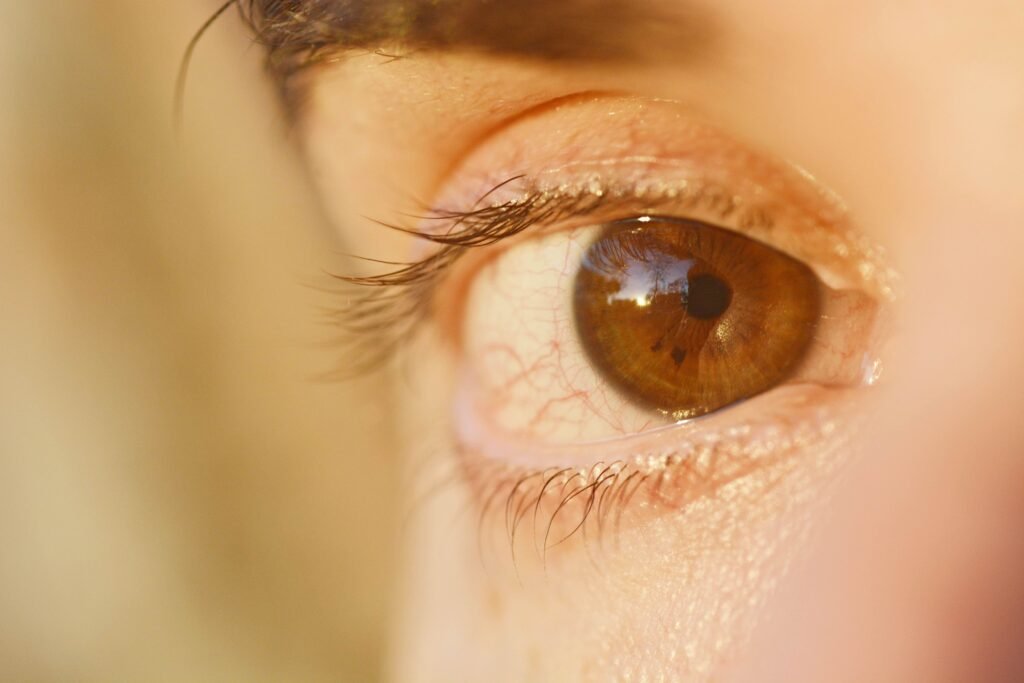
Dry, burning, or gritty eyes can make it hard to read, use a computer, or even keep your eyes open. While screens and your environment are often blamed, your diet can also affect your eyes.
Vitamin A deficiency is most clearly linked to dry eyes. Researchers have also looked at vitamin D, vitamin B12, vitamin E, and omega-3 fatty acids and their effects on eye health. Still, dry eyes can have many causes, so symptoms alone do not show which nutrient you might be missing.

Can Vitamin Deficiency Cause Dry Eyes?
Yes, some nutritional deficiencies can affect your eyes, but the evidence is stronger for some nutrients than others.
Vitamin A deficiency has the clearest connection. The NIH Office of Dietary Supplements explains that xerophthalmia is the most common clinical sign of vitamin A deficiency. The condition affects the eye surface and can eventually damage the cornea and cause permanent blindness if severe deficiency continues.
Research on vitamin deficiency and dry eyes also highlights vitamin D. One meta-analysis of 10 studies with 18,919 people found that those with dry eyes had lower average vitamin D levels than healthy people. However, this link does not prove that low vitamin D directly causes dry eyes.
What Is Dry Eye Disease?
Dry eye happens when your eyes do not make enough tears or when the tear film cannot keep the surface of your eyes healthy.
Common symptoms are burning, stinging, redness, a gritty feeling, light sensitivity, tired eyes, and blurry or changing vision. Some people may also have watery eyes because irritation can cause extra tears.
Dry eye is common. A recent review of 119 studies with over 15 million people estimated that about 34.6% of people worldwide have dry eyes, though rates vary by group and how dry eye is diagnosed.
5 Nutrients Linked With Dry Eyes
1. Vitamin A Deficiency and Dry Eyes
When talking about vitamin deficiency and dry eyes, vitamin A is the most important to consider.
Vitamin A is essential for normal vision and keeping the tissues around your eyes healthy. If your body runs very low on vitamin A, a condition called xerophthalmia can develop.
Night blindness is often an early sign. As deficiency becomes more severe, the conjunctiva and cornea can become affected, potentially leading to permanent vision loss. The NIH reports that vitamin A deficiency remains one of the major causes of preventable blindness in children.
Foods that provide vitamin A or provitamin A carotenoids include eggs, dairy products, liver, carrots, sweet potatoes, spinach, and other leafy green vegetables.
Taking more vitamin A is not always better. Since your body stores vitamin A, taking too much can be harmful.
2. Vitamin D Deficiency and Dry Eyes
Vitamin D is another key nutrient to consider when talking about vitamin deficiency and dry eyes.
A systematic review of vitamin D and ocular diseases found that 25 of 27 studies examining vitamin D and dry eye reported an association.
There is also some evidence that supplementation could help certain people. A 2024 meta-analysis included eight studies and 439 cases and found improvements in several dry-eye measures following vitamin D supplementation. The researchers nevertheless concluded that further research is needed to establish the most appropriate administration and dosage.
So, vitamin D should not be seen as a cure for all cases of dry eye.
3. Vitamin B12 and Dry Eyes
Vitamin B12 supports healthy red blood cells and normal nerve function. Researchers have explored whether low B12 levels could contribute to certain ocular symptoms, particularly where nerve-related eye discomfort is involved.
However, there is not enough strong evidence to say that vitamin B12 supplements can treat regular dry eye.
If you have dry eyes along with other signs or risks of B12 deficiency, a healthcare professional can decide if you need a blood test.
Food sources of B12 include fish, meat, eggs, milk, and other dairy products. Fortified foods can provide B12 for people who eat little or no animal food.
4. Vitamin E and Eye Health
Vitamin E works as an antioxidant and helps protect cells against oxidative damage.
Nuts, seeds, vegetable oils, spinach, and avocado are good sources of vitamin E. Eating these foods can help you maintain a balanced diet and support your overall health.
However, there is limited evidence that vitamin E supplements alone can treat dry eyes caused by vitamin deficiency. Do not assume that taking an antioxidant supplement will always improve tear production or fix dry-eye symptoms.
5. Omega-3 Fatty Acids and Dry Eyes
Omega-3 fatty acids are often mentioned as supplements for dry eyes, even though omega-3 is not a vitamin.
Fatty fish such as salmon, sardines, and mackerel provide omega-3s. Plant sources include flaxseed, chia seeds, and walnuts.
Studies on omega-3 supplements for dry eyes have shown mixed results. In a large trial funded by the National Eye Institute, people who took 3,000 mg of omega-3 fatty acids daily for a year did not have better results than those who took a placebo.
This means omega-3 supplements should not be advertised as a proven cure for dry eyes.
Which Vitamin Deficiency Is Most Closely Linked to Dry Eyes?
Of all the nutrients linked to vitamin deficiency and dry eyes, vitamin A has the strongest proven connection to serious eye surface disease.
Vitamin A deficiency can cause xerophthalmia, night blindness, corneal damage, and eventually blindness when severe and untreated.
Vitamin D has also attracted considerable research interest. Low vitamin D levels have been associated with dry-eye symptoms and reduced tear production, but researchers are still investigating exactly who may benefit from supplementation.
So, having dry eyes alone cannot diagnose a vitamin deficiency.
Signs You May Need Medical Evaluation
If you have ongoing dry eyes, talk to a healthcare professional—especially if you also have trouble seeing at night, eat a very limited diet, have digestive issues, have had stomach surgery, feel unusually tired, or notice other signs of possible nutrient deficiency.
Certain conditions can increase deficiency risk. For example, the NIH identifies Crohn’s disease, ulcerative colitis, celiac disease, and cystic fibrosis among conditions that can increase the risk of vitamin A deficiency.
Instead of picking supplements just based on your symptoms, testing can show if you really have a deficiency.
Other Common Causes of Dry Eyes
Not all cases of dry eye are caused by poor nutrition.
Dry eyes can occur because of aging, contact lenses, prolonged screen use, dry environments, tear-film problems, certain medications, hormonal changes, or underlying medical conditions.
This is important to remember when looking into vitamin deficiency and dry eyes. Taking a supplement may not help if your dry eyes are actually caused by tear evaporation, medication, eyelid gland issues, or something else.
An eye-care professional can examine the eye surface and help identify what may be contributing to persistent symptoms.
Can Taking Vitamins Fix Dry Eyes?
If you know you have a nutritional deficiency, fixing it is important for your health. It can also help with eye problems that are directly caused by the deficiency.
But taking large amounts of vitamins will not make regular dry eyes go away.
Vitamin A is a particularly good example. Excess preformed vitamin A can accumulate in the body and cause toxicity. Symptoms of excessive intake can include headache, blurred vision, nausea, dizziness, and other problems.
To treat dry eyes caused by vitamin deficiency, find out the real cause instead of guessing which supplement to take.
Foods That Support Eye Health
A balanced diet gives you many nutrients that help your eyes work properly.
For vitamin A, consider carrots, sweet potatoes, spinach, eggs, and dairy products. Fatty fish and fortified foods can provide vitamin D, while meat, fish, eggs, dairy, and fortified foods supply vitamin B12.
Nuts, seeds, and vegetable oils provide vitamin E. Salmon, sardines, chia seeds, flaxseed, and walnuts provide omega-3 fatty acids.
These foods are good for your overall nutrition, but eating well should not replace proper medical care for ongoing dry-eye problems.
Simple Ways to Relieve Dry Eyes
Besides checking for vitamin deficiencies, making small changes in your daily routine can help reduce eye irritation.
Take regular breaks when using screens for a long time and remember to blink often. Try not to let fans or air conditioning blow directly on your eyes, and use a humidifier if the air inside is very dry.
Follow proper contact-lens care and discuss artificial tears or other treatments with an eye-care professional when needed.
Do not count on drinking lots of water or taking supplements to cure dry eyes.
When Should You See an Eye Doctor?
Schedule an eye exam if your dryness keeps happening, gets in the way of daily life, or does not get better with simple self-care.
Seek prompt medical attention for significant eye pain, sudden vision changes, severe light sensitivity, an eye injury, or marked redness.
If your symptoms last, you should get them checked out, since vitamin deficiency is just one possible reason for dry eyes.
Frequently Asked Questions
What Vitamin Deficiency Causes Dry Eyes?
Vitamin A deficiency is most clearly linked to severe dryness on the eye surface and xerophthalmia. Research has also found a link between vitamin D deficiency and dry-eye disease, but this connection is more complicated.
Can Vitamin D Deficiency Cause Dry Eyes?
Research shows a link between low vitamin D and dry-eye symptoms. One meta-analysis with 18,919 people found that those with dry eyes had lower average vitamin D levels, but this does not mean deficiency caused every case.
Does Vitamin A Help Dry Eyes?
Fixing vitamin A deficiency is important if your eye problems are caused by it. But taking extra vitamin A when you do not need it can be harmful if you take too much.
Is Omega-3 Good for Dry Eyes?
The evidence is mixed. In the large DREAM clinical trial, omega-3 supplements did not work better than a placebo after 12 months.
Should I Take a Multivitamin for Dry Eyes?
Not always. Dry eyes can have many causes, and a multivitamin might not fix the real issue. Talk to a healthcare professional if your symptoms last or you think you have a deficiency.
Final Thoughts
The link between vitamin deficiency and dry eyes depends on the nutrient. Vitamin A deficiency is clearly tied to xerophthalmia and serious eye disease. Vitamin D looks promising, but more research is needed to know how supplements should be used.
Vitamin B12 and vitamin E are good for your overall health, but the evidence for omega-3 in treating dry eyes is still mixed.
Rather than guessing which supplement to take, focus on eating a balanced diet and get your dry-eye symptoms checked if they do not go away.
Helpful YouTube Resource
Here’s a helpful video by Dr. Eric:
References
1. NIH Office of Dietary Supplements — Vitamin A and Carotenoids.
The NIH explains vitamin A deficiency, xerophthalmia, dietary sources, risk groups, and the potential harms of excessive vitamin A intake.
NIH Vitamin A Fact Sheet
2. Liu J, Dong Y, Wang Y. — Vitamin D Deficiency Is Associated With Dry Eye Syndrome.
This systematic review and meta-analysis included 10 studies with 18,919 participants and found an association between vitamin D deficiency and dry-eye measures.
View the study on PubMed
3. Chen Z, et al. — The Efficacy of Vitamin D Supplementation in Dry Eye Disease.
A 2024 systematic review and meta-analysis evaluated eight studies involving 439 cases and found improvements in several dry-eye measures, while calling for more research on administration and dosage.
View the study on PubMed
4. National Eye Institute-funded DREAM Study — Omega-3 Fatty Acid Supplementation for Dry Eye Disease.
The randomized trial found that 3,000 mg of omega-3 fatty acids per day did not produce significantly better outcomes than placebo after 12 months.
Read the DREAM trial
5. Vitamin D and Ocular Diseases: A Systematic Review.
The review evaluated research linking vitamin D with several eye conditions and reported an association between vitamin D and dry-eye syndrome in most included dry-eye studies.
View the systematic review on PubMed