

Now Reading: What Is Preventive Care Dental? Services and Benefits
-
01
What Is Preventive Care Dental? Services and Benefits
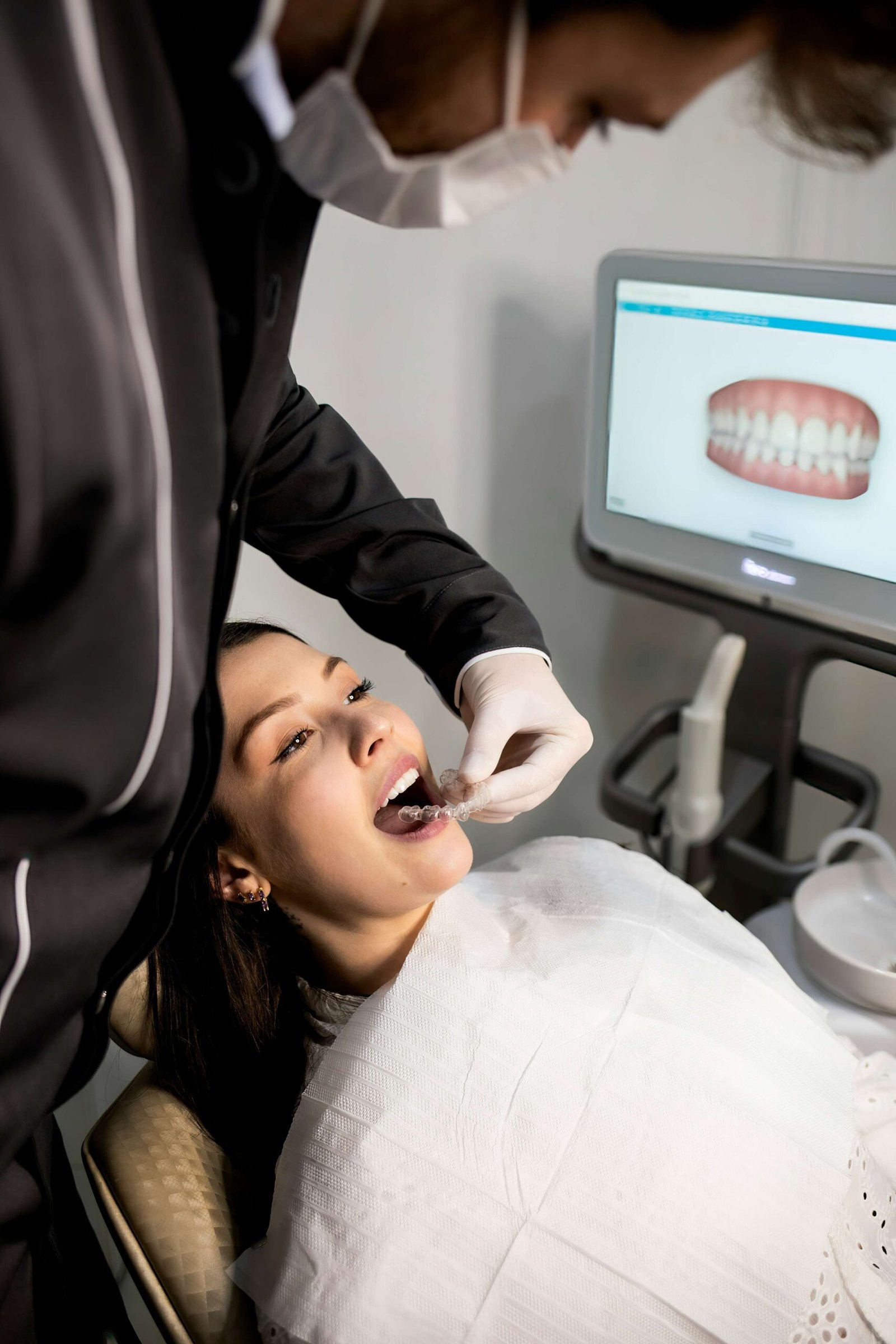
Dental problems often start without any obvious signs. For example, a small cavity might not cause pain, and gum disease can develop before you notice anything is wrong. Preventive dental care helps lower these risks and catches issues before they get worse.
So, what is preventive care dental? It means getting regular dental checkups and practicing daily habits that keep your teeth and gums healthy. Things like dental exams, cleanings, fluoride, sealants, brushing, and cleaning between your teeth all help prevent problems.
Learning about preventive care helps you take charge of your oral health at every stage of life.
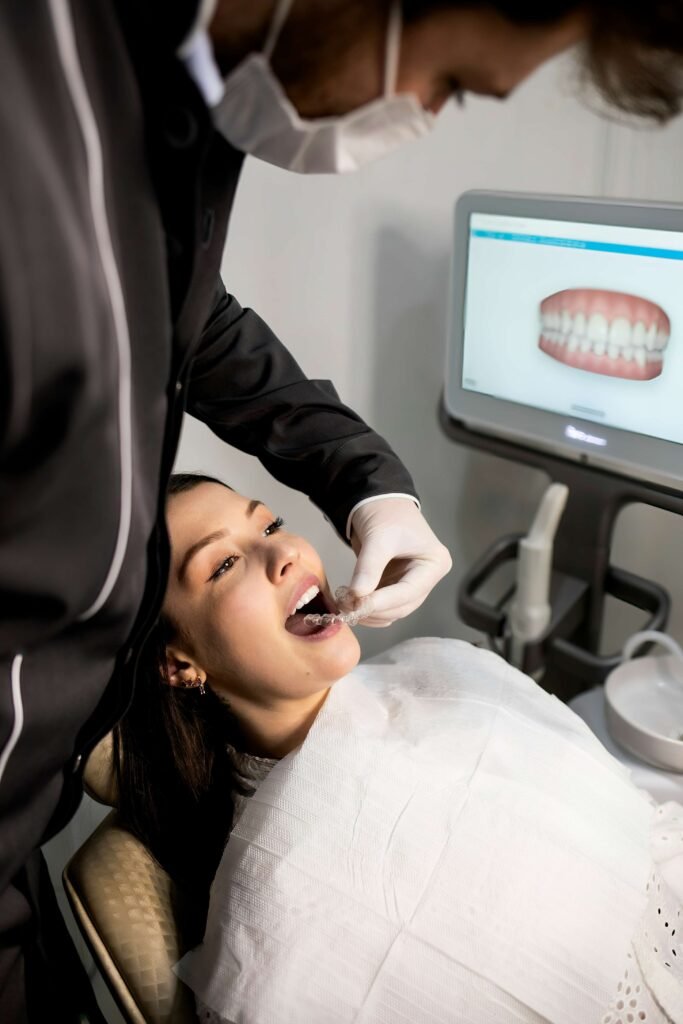
What Is Preventive Dental Care?
When people talk about preventive care dental, they usually mean dental care that helps stop disease or finds problems early.
Preventive dentistry is a mix of professional dental care and good habits at home. The National Institute of Dental and Craniofacial Research (NIDCR) says that brushing, flossing, using fluoride, eating well, and seeing your dentist all help protect your oral health.
Common preventive services are dental exams, regular cleanings, fluoride treatments, sealants, X-rays when needed, and advice about oral health.
Preventive care is different from restorative dentistry. Preventive care aims to keep your teeth healthy, while restorative treatment fixes damage that has already happened.
Why Is Preventive Dental Care Important?
Knowing what preventive care dental means also helps you see why prevention is important.
Tooth decay remains common. According to the CDC’s oral health data, cavities are among the most common chronic diseases in both children and adults. Gum disease is also widespread, particularly as people get older.
Preventive care lets your dentist spot cavities, gum problems, damaged teeth, or unusual changes in your mouth before they turn into bigger issues.
Removing plaque regularly is important. If plaque stays on your teeth, it can cause cavities and gum problems. Once plaque hardens into tartar, brushing alone won’t get rid of it.
What Does Preventive Dental Care Include?
If you want to know what happens at preventive dental visits, the services you get will depend on your age, oral health, and risk factors.
1. Routine Dental Exams
During an exam, your dentist checks your teeth, gums, bite, and surrounding oral tissues.
The goal is to catch problems early. Your dentist might find a small cavity, gum inflammation, tooth damage, or other changes before you even notice any symptoms.
2. Professional Teeth Cleaning
Even if you brush carefully, some plaque can stay in hard-to-reach spots. Professional cleanings remove this plaque and any tartar that has built up on your teeth.
Regular preventive cleanings are not the same as deeper treatments for advanced gum disease. If you develop periodontitis, your dentist might suggest procedures like scaling and root planing.
3. Dental X-Rays
Dental X-rays help dentists see parts of your mouth that are hard to check just by looking. X-rays can show cavities between teeth, changes near tooth roots, bone issues, and teeth that haven’t come in properly.
But not everyone needs X-rays on the same schedule. The American Dental Association says dentists should look at your age, oral health, risk of disease, and any symptoms before deciding when you need X-rays.
4. Fluoride Treatments
Fluoride makes your tooth enamel stronger and helps protect it from acids that cause cavities.
The NIDCR explains that fluoride can prevent cavities and may even help reverse early tooth decay. Dentists may recommend professional fluoride treatments for people who have a higher risk of developing cavities.
Using fluoride toothpaste is also an important part of taking care of your teeth at home.
5. Dental Sealants
Sealants are thin layers that cover the chewing surfaces of your back teeth. These spots have tiny grooves where food and bacteria can get stuck.
Sealants are particularly useful for children. According to the CDC, school-age children without sealants have almost three times as many cavities in their first permanent molars as children with sealants.
This is why sealants are a great example of preventive dental care for kids.
6. Oral Cancer Screening
Your dentist might also check your lips, tongue, cheeks, gums, throat, and other parts of your mouth for anything unusual.
If your dentist sees anything unusual, they may suggest a closer look. Regular dental visits are a good time to talk about any sores, lumps, patches, or other changes that don’t go away.
7. Oral Hygiene Education
Preventive dentistry continues even after you leave the dentist’s office.
Your dentist or hygienist can teach you how to brush well, clean between your teeth, take care of braces or implants, and choose the right products for your mouth.
Getting advice that fits your needs is especially helpful if you often get cavities or have gum issues.
Preventive Dental Care at Home
Understanding preventive dental care also means knowing what you can do each day.
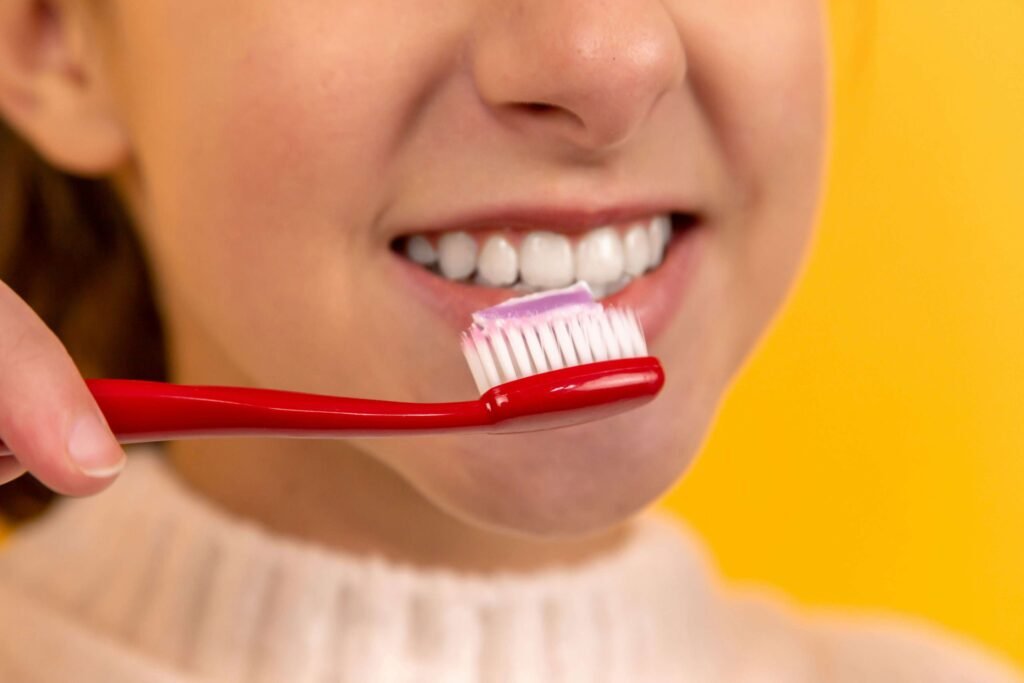
The American Dental Association suggests brushing your teeth twice a day for two minutes with fluoride toothpaste. Brush gently and make sure to clean every part of each tooth.
You should also clean between your teeth every day. Floss, interdental brushes, or other tools can remove plaque from spots your toothbrush can’t reach.
What you eat and drink matters too. Try to limit sugary snacks and drinks, and choose water often. Avoiding tobacco is also important, since smoking raises your risk for gum disease and oral cancer.
What Is Not Considered Preventive Dental Care?
A helpful way to understand preventive dental care is to compare it with treatments that fix problems after they happen.
Fillings, crowns, root canal treatments, bridges, dentures, implants, and many tooth extractions generally fall under restorative or therapeutic dentistry rather than basic preventive care.
Treatment for established periodontal disease may also fall outside routine preventive cleaning.
However, dental insurance companies may classify procedures in different ways. Just because a treatment is important for your health doesn’t mean your insurance will count it as preventive care.
Preventive vs. Restorative Dental Care
The difference is pretty straightforward.
Preventive dental care tries to reduce the chance of disease and identify problems early. Examples include exams, routine cleanings, fluoride treatments, sealants, and oral hygiene education.
Restorative dental care repairs or replaces teeth after disease, injury, or damage occurs. Fillings, crowns, bridges, and dental implants are common examples.
For example, putting a sealant on a healthy molar is preventive care. Filling the tooth after a cavity forms is restorative care.
This difference makes it easier to understand what preventive dental care means.
Who Needs Preventive Dental Care?
Preventive dental care matters at every age.
Children can benefit from fluoride, sealants, regular examinations, and learning good brushing habits. Teenagers may need additional guidance when they have braces or other orthodontic appliances.
Adults and seniors also need preventive care. Things like gum disease, dry mouth, dental work, medications, smoking, and diabetes can all affect your oral health risks.
That’s why preventive care should be tailored to each person, not the same for everyone.
How Often Should You Get Preventive Dental Care?
Many people think everyone needs to see the dentist every six months, but the best schedule really depends on your own needs.
If you have healthy teeth and a low risk of dental problems, your needs may be different from someone who often gets cavities or has had gum disease.
Your dentist will look at things like your age, gum health, history of cavities, tobacco use, medical conditions, medications, and how well you care for your teeth when suggesting how often you should come in.
So, when thinking about preventive dental care, remember that your schedule should be based on your risk, not just a set calendar.
Does Preventive Dental Care Save Money?
Preventive dental care can catch problems before they get more serious.
For example, spotting a cavity early can stop it from getting worse and needing more treatment later. In the same way, catching gum inflammation early lets you improve your care before it turns into a bigger problem.
Still, preventive dentistry can’t promise you’ll never need dental treatment.
Insurance coverage can be different for each plan, so check yours before expecting every preventive procedure to be free.
Is Preventive Dental Care Covered by Insurance?
Many dental insurance plans provide coverage for services they classify as preventive, such as examinations, routine cleanings, certain X-rays, fluoride treatments, or sealants.
Insurance plans can be very different. Some limit how many cleanings or exams you get each year, while others may only cover fluoride or sealants for certain ages.
Always look at your own policy to see what preventive dental care your insurance will pay for.
Preventive Dental Care for Children
It’s best to start preventive care early, instead of waiting until a child has a toothache.
Parents can help young children brush with fluoride toothpaste, eat healthy foods, and go to the dentist regularly. Dentists can also decide if fluoride treatments or sealants would help lower the risk of cavities.
The American Academy of Pediatric Dentistry suggests finding a regular dentist for your child by age one. Starting early helps families get advice about brushing, fluoride, diet, oral growth, and preventing injuries.
Teaching kids about preventive dental care early can make good oral habits a regular part of family life.
Frequently Asked Questions
What is preventive dental care in simple terms?
Preventive dental care means taking steps to protect your teeth and gums and finding problems early. It includes good habits at home and regular visits to the dentist.
Is a dental cleaning preventive care?
A regular dental cleaning is usually considered preventive care. Deep cleaning for gum disease is different from a standard cleaning.
Are fillings preventive dental care?
No. A filling fixes damage after a cavity forms, so it’s usually called restorative treatment.
Are dental X-rays preventive care?
Dental X-rays can be part of preventive or diagnostic care when needed. You don’t always need X-rays at every dental visit.
Is fluoride preventive dental care?
Yes. Fluoride protects your tooth enamel from decay. Both fluoride toothpaste and professional treatments help prevent cavities.
Are dental sealants preventive care?
Yes. Sealants cover the grooves on your chewing surfaces and can greatly lower the risk of cavities, especially in permanent molars.
How often do I need preventive dental visits?
There’s no one-size-fits-all schedule. Your dentist will suggest how often you should visit based on your teeth, gums, past dental issues, and personal risk factors.
Final Thoughts
So, what is preventive dental care? It’s a mix of daily habits and professional services that help protect your oral health and catch problems early.
Brush your teeth twice a day with fluoride toothpaste, clean between your teeth, limit sugary foods and drinks, avoid tobacco, and see your dentist as often as you need.
Knowing about preventive dental care doesn’t mean you’ll never have dental problems. But it does give you a better chance to keep your teeth healthy, spot issues early, and stop small problems from getting worse.
Helpful YouTube Resource
Here’s a helpful video:
References
- National Institute of Dental and Craniofacial Research (NIDCR) — Health Info
Information about preventing tooth decay, gum disease, fluoride, and maintaining oral health.
Visit NIDCR Oral Health Information - Centers for Disease Control and Prevention — Oral Health
Statistics and public-health information covering cavities, gum disease, preventive care, and oral health in the United States.
Visit CDC Oral Health - Centers for Disease Control and Prevention — Dental Sealants
Information about how dental sealants help prevent cavities in children’s permanent molars.
Read CDC Dental Sealant Guidance - American Dental Association — Dental X-Rays
Guidance on the role of dental radiographs and determining when X-rays are appropriate.
Read ADA Dental X-Ray Information - National Institute of Dental and Craniofacial Research — Fluoride
Information explaining how fluoride helps prevent and control tooth decay.
Read NIDCR Fluoride Information - American Dental Association — Toothbrushes
Evidence-based information about toothbrushes and everyday oral hygiene.
Read ADA Toothbrushing Information - American Academy of Pediatric Dentistry — Parent FAQs
Information for parents about children’s dental visits and establishing a dental home early in life.
Visit AAPD Parent Resources