
Now Reading: Best Journaling Tools for a Better Writing Habit
-
01
Best Journaling Tools for a Better Writing Habit
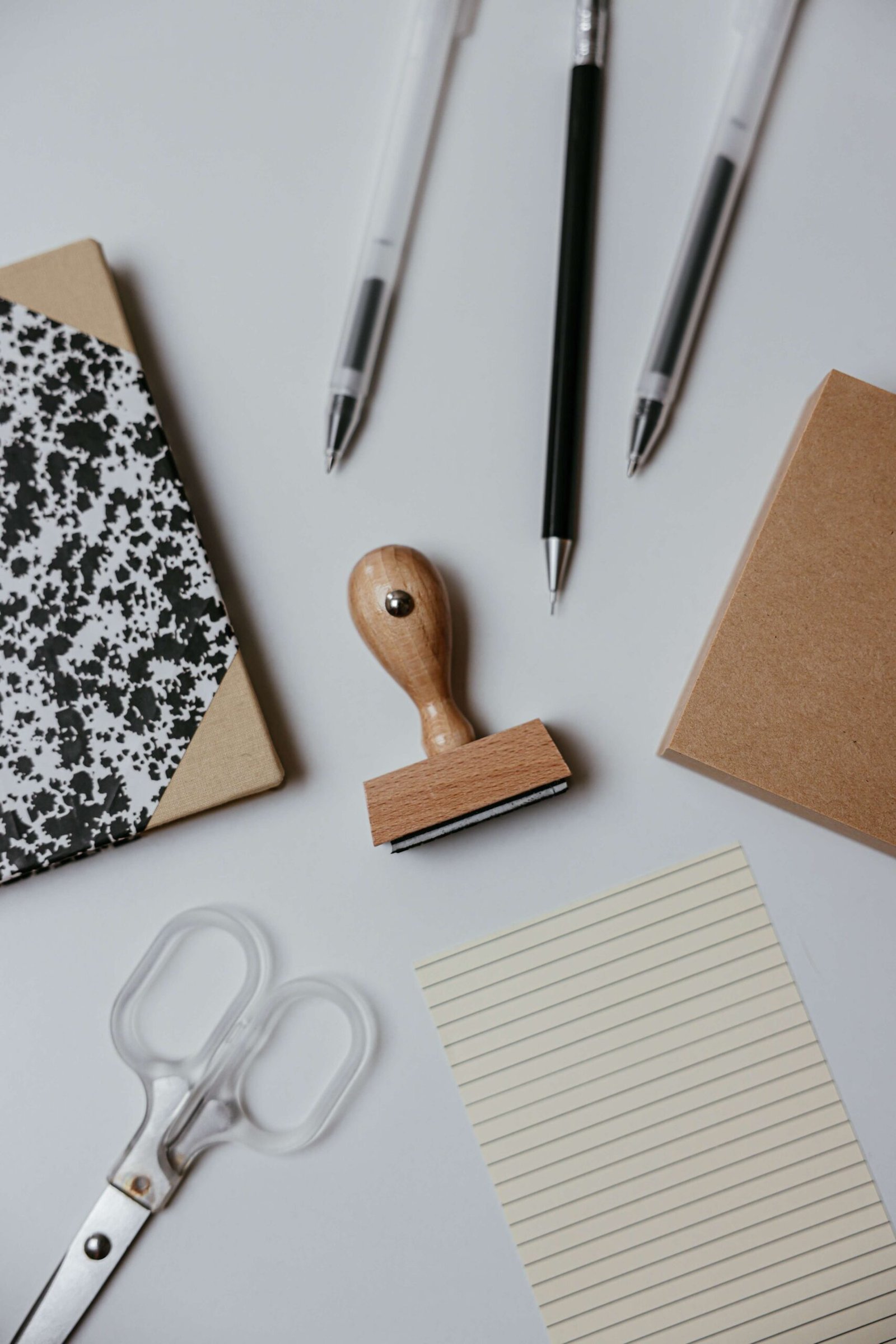
It’s easy to start a journal, but keeping up the habit can be tough. The good news is you don’t need pricey notebooks or special supplies. The best journaling tools are the ones that make writing fun and help you build a routine you’ll keep.
Whether you like writing by hand or typing on a tablet, the right tools can help you focus and make self-reflection easier. Notebooks, pens, apps, and even a quiet space all help create a good journaling experience.
This guide shares the best journaling tools for both beginners and experienced writers, plus practical tips to help you build a meaningful writing habit.
Why Journaling Supports Your Well-Being
Journaling isn’t just about writing down what happens each day. It’s a safe way to share your feelings, sort out your thoughts, reflect on your experiences, and set goals for yourself.
The American Psychological Association (APA) explains that expressive writing may help people process difficult emotions and stressful experiences, although individual results vary. You can learn more through the APA’s article on Expressive Writing and Mental Health.
Similarly, the University of Rochester Medical Center reports that journaling may help reduce stress, identify emotional triggers, and improve self-awareness. Read more on their Journaling for Mental Health page.
Picking the right journaling tools can help you enjoy the process, so building this healthy habit feels less like a chore.
Essential Journaling Tools Every Beginner Needs
You don’t need a lot of supplies to get started. Just a few simple tools are enough.
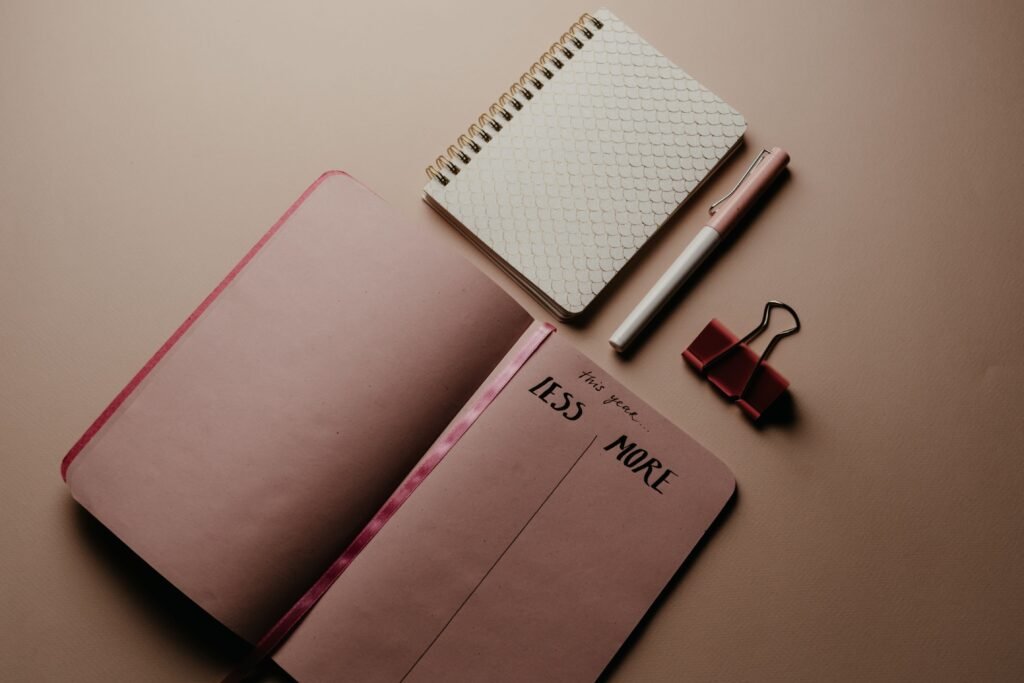
A Comfortable Notebook
Your notebook is your main companion when you journal.
Popular options include:
- Lined notebooks
- Dot-grid journals
- Blank sketchbooks
- Bullet journals
Pick a notebook that feels good to write in. There’s no perfect choice—the best one is the one you’ll use regularly.
A Pen You Enjoy Using
A comfortable pen can make a big difference in how much you enjoy writing.
Consider:
- Gel pens
- Ballpoint pens
- Fine liners
- Fountain pens
When your pen writes smoothly, you’re more likely to write for longer and enjoy the experience.
A Quiet Writing Space
Your environment is one journaling tool people often forget about.
Find a place where you can think clearly, such as:
- Your desk
- A reading chair
- A coffee shop
- A quiet park
- Your garden or balcony
A quiet, calm space helps you reflect more easily.
Analog Journaling Tools
A lot of people still like writing by hand because it feels more personal and helps them avoid distractions.
Traditional Journals
Using a paper journal lets you step away from screens and focus on your thoughts.
Many writers enjoy:
- Hardcover journals
- Softcover notebooks
- Bullet journals
- Pocket notebooks for travel
Sticky Notes
Sticky notes are useful for:
- Quick ideas
- Favorite quotes
- Future journal topics
- Daily reminders
Sticky notes can also help you organize longer journal entries.
Highlighters and Colored Pens
Using different colors is a simple way to organize your journal entries.
For example:
- Yellow for gratitude
- Blue for goals
- Green for personal growth
- Pink for happy memories
These tools make it easier to look back and review your older journal entries.
Washi Tape and Stickers
Decorative supplies aren’t required, but they can make creative journaling more fun.
If adding decorations helps you write more often, these small touches can make your journal feel more personal.
Digital Journaling Tools
Digital journaling tools are great if you travel a lot or like to type instead of write by hand.
Note-Taking Apps
Simple note apps include:
- Apple Notes
- Google Keep
- Microsoft OneNote
These apps are easy to use and keep your notes synced across all your devices.
Dedicated Journal Apps
Apps such as:
- Day One
- Journey
- Diarium
offer reminders, mood tracking, photos, and password protection.
Each app offers different features, so pick the one that fits what you’re looking for.
Tablets and Styluses
If you like handwriting but want digital storage, a tablet and stylus can give you both.
Many people use:
- iPad
- Apple Pencil
- Android tablets with stylus support
These journaling tools allow handwritten notes while keeping everything backed up digitally.
Cloud Backup
Whether you use Google Drive, iCloud, or another service, automatic backups protect years of personal writing from accidental loss.
Journaling Tools That Improve the Experience
Some journaling tools are not writing supplies at all. Instead, they create a comfortable atmosphere that encourages consistency.
Comfortable Lighting
Warm lighting reduces eye strain and creates a relaxing environment for reflection.
A Favorite Drink
Many people enjoy tea, coffee, or warm herbal drinks while journaling because these drinks naturally slow them down and help them focus.
Soft Background Music
Instrumental music or nature sounds can reduce distractions.
You can use Spotify, YouTube, or calming playlists to set a peaceful mood while you write.
Noise-Canceling Headphones
If things are noisy around you, headphones can help you focus without being interrupted.
A Timer
Setting a five- or ten-minute timer removes pressure.
Knowing your journaling session has a clear ending often makes it easier to begin.
Choosing Journaling Tools Based on Your Goals
Different goals benefit from different journaling tools.
Mental Wellness Journaling
Keep it simple.
Use:
- One notebook
- One comfortable pen
- A quiet space
Gratitude Journaling
A small notebook beside your bed works well.
Using colored highlighters makes it easy to find and revisit moments you’re grateful for.
Habit Tracking
Bullet journals, a ruler, and colored pens can help you track your habits more easily.
Creative Journaling
Creative journals often include:
- Sketchbooks
- Watercolors
- Markers
- Photos
- Stickers
Travel Journaling
Portable journaling tools include:
- Pocket notebook
- Phone camera
- Glue stick
- Small envelopes for tickets and postcards
Analog vs. Digital Journaling Tools
Both analog and digital journaling have their own benefits.
| Analog Journaling | Digital Journaling |
| Less screen time | Easy search |
| Personal handwriting | Automatic backup |
| Creative freedom | Works across devices |
| Fewer notifications | Photos and voice notes |
| No battery needed | Convenient for travel |
There’s no right or wrong way to journal.
Many people use both—writing by hand at home and using digital apps when they travel.
Journaling Tools You Probably Don’t Need
Advertisements often make it seem like you need expensive supplies to start journaling.
But you really don’t.
Skip the pressure to buy:
- Luxury leather journals
- Large stationery collections
- Expensive pens
- Decorative accessories
- Multiple notebooks
Instead, just focus on writing regularly.
The best journaling tools are the ones you actually use each week.
Tips for Building a Journaling Routine
Pick one notebook and keep it somewhere you’ll see it every day.
Try to write at the same time each day. Lots of people like to journal in the morning or before bed.
Start with just five minutes. Short sessions are easier to stick with than longer ones.
If you’re not sure what to write, try using journal prompts, writing about your day, or describing how you feel right now.
Look back at your old entries once a month. This helps you see your growth over time.
Frequently Asked Questions
What are the best journaling tools?
The basics you need are a notebook, a comfortable pen, and a quiet spot to write. Everything else is extra.
Are digital journals as effective as paper journals?
Both digital and paper journals can help you reflect and understand your feelings. Pick the style that feels right for you.
Do I need an expensive journal?
No. A plain notebook works just as well as a fancy one.
Which pen is best for journaling?
The best pen is one that feels good to use, even during long writing sessions. Gel pens and fine liners are popular picks.
Can I journal on my phone?
Yes. Lots of people use note-taking or journal apps to build a steady writing habit.
Final Thoughts
Journaling tools aren’t meant to make your journal look perfect. They’re there to make writing easier, more fun, and more regular.
Begin with one notebook, one pen, and five quiet minutes. As you get into the habit, try out other tools that match your style and goals.
Remember, how deeply you reflect is much more important than how much you spend on supplies.
Recommended YouTube Resource
Here’s a helpful video:
References
- American Psychological Association. Expressive Writing Can Help Your Mental Health. https://www.apa.org/news/podcasts/speaking-of-psychology/expressive-writing
- University of Rochester Medical Center. Journaling for Mental Health. https://www.urmc.rochester.edu/encyclopedia/content?ContentID=4552&ContentTypeID=1
- National Institute of Mental Health. Caring for Your Mental Health. https://www.nimh.nih.gov/health/topics/caring-for-your-mental-health
- Day One Journal. Benefits of Journaling. https://dayoneapp.com/blog/journaling-benefits/