
Now Reading: Best Journaling Materials for Better Writing Habits
-
01
Best Journaling Materials for Better Writing Habits
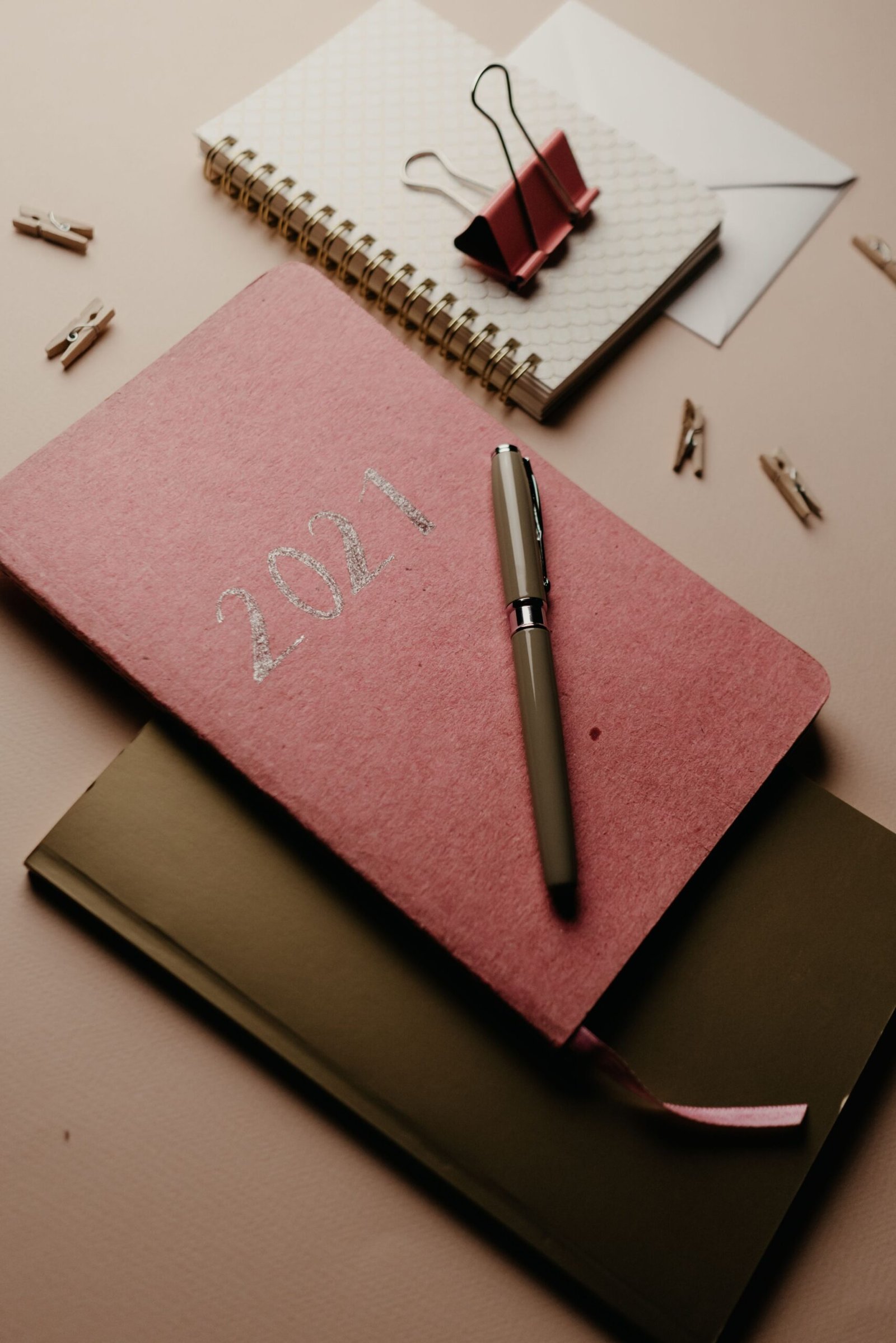
Starting a journal does not require expensive notebooks or a collection of fancy stationery. The best journaling materials are the ones that make you excited to write and help you build a habit that lasts. Whether you enjoy mindful reflection, gratitude journaling, or creative art journaling, choosing the right journaling materials can make every writing session more enjoyable.
Some people prefer a simple notebook and pen, while others enjoy colorful markers, stickers, and digital tools. There is no right or wrong approach. The goal is to find journaling materials that match your personality and encourage you to write consistently.
In this guide, you’ll discover the essential journaling materials for beginners, creative journalers, and digital writers, along with practical tips for choosing supplies that fit your needs.
Why the Right Journaling Materials Matter
Journaling is a proven way to organize your thoughts, process emotions, and reflect on daily experiences. While the writing itself provides the greatest benefit, comfortable and reliable journaling materials can make it easier to stay consistent.
According to the American Psychological Association (APA), expressive writing may help people process stressful experiences and improve emotional well-being. Similarly, the University of Rochester Medical Center notes that journaling may help reduce stress, identify emotional triggers, and improve overall mental health.
The best journaling materials remove distractions and help you focus on writing instead of worrying about your supplies.
Essential Journaling Materials Every Beginner Needs
You only need a few basic journaling materials to get started.
A Good Notebook
Your notebook is the foundation of your journaling practice.
Popular choices include:
- Lined notebooks
- Dot-grid journals
- Blank sketchbooks
- Bullet journals
Choose paper that feels comfortable to write on and a size that fits your lifestyle. Some people enjoy carrying a pocket journal, while others prefer larger notebooks for detailed writing.
Comfortable Pens
A smooth-writing pen makes journaling much more enjoyable.
Popular options include:
- Gel pens
- Ballpoint pens
- Fine liners
- Fountain pens
The best pen is simply the one you enjoy using every day.
Pencil and Eraser
Pencils are useful when sketching layouts, planning bullet journal pages, or creating art journals before adding ink.
Keeping these simple journaling materials nearby gives you more flexibility during each writing session.
Creative Journaling Materials
Creative journaling allows you to combine writing with visual expression.
Colored Pens and Markers
Color makes journals easier to organize.
Use different colors for:
- Gratitude entries
- Goals
- Habit tracking
- Mood tracking
- Important reminders
Highlighters
Highlighters help organize information without making pages feel cluttered.
Many people use one color for positive moments and another for future goals.
Washi Tape
Washi tape adds decorative borders, separates sections, and attaches photos without damaging pages.
It is one of the most popular journaling materials among creative journalers.
Stickers
Stickers make journals more personal and visually appealing.
Use them for:
- Monthly themes
- Motivational quotes
- Habit trackers
- Seasonal decorations
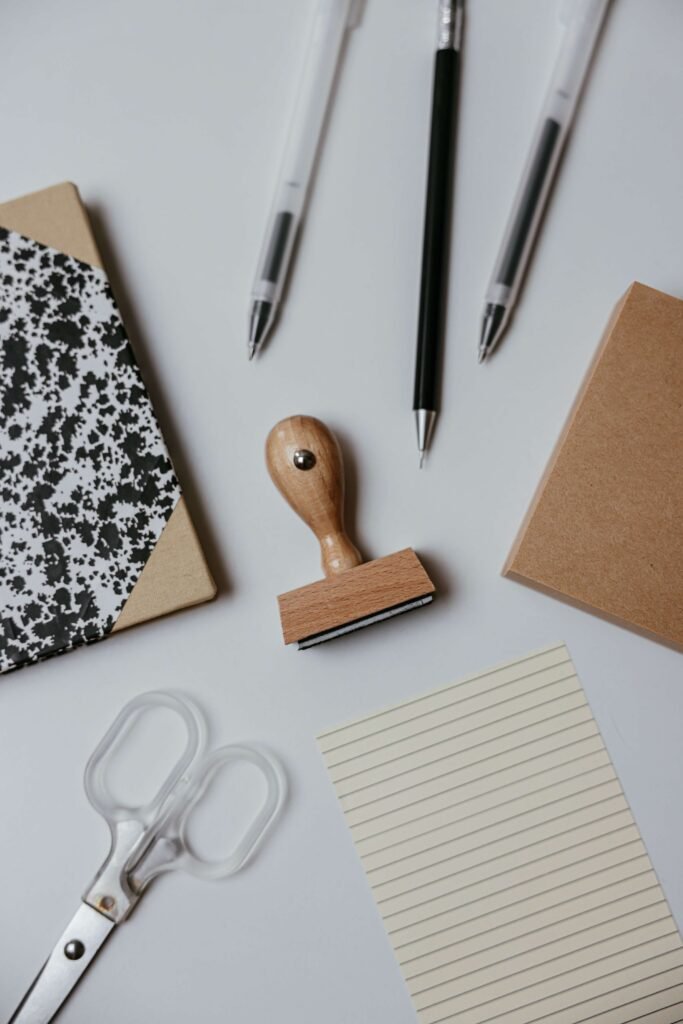
Stamps
Reusable stamps help create calendars, headers, and repeated layouts quickly while saving time.
Art Journaling Materials
Art journaling combines writing with drawing, painting, and mixed media.
Paints
Watercolor paints are beginner-friendly because they dry quickly and create soft effects.
Acrylic paint works well for bold backgrounds, while gouache provides rich, matte colors.
Paint Brushes
A small collection of brushes is enough for most journals.
A round brush, flat brush, and detail brush cover nearly every project.
Colored Pencils
Colored pencils are excellent for shading, sketching, and adding subtle details without creating messy pages.
Sketching Pencils
Graphite pencils help you plan illustrations before adding permanent ink or paint.
Mixed Media Paper
If you enjoy painting, thicker paper prevents ink and paint from bleeding through the page.
Choosing the right journal paper is one of the most valuable journaling materials decisions you can make.
Journaling Materials for Better Organization
Organized journals are easier to revisit and enjoy.
Sticky Notes
Sticky notes are perfect for temporary reminders, writing prompts, and ideas you want to move later.
Page Tabs
Tabs allow you to quickly locate important sections such as gratitude pages, monthly reflections, and goal trackers.
Bookmarks
A simple bookmark saves time by helping you open directly to your current journal page.
Pen Pouch
Keeping all your journaling materials together means you’ll always have your favorite supplies nearby.
Journal Cover
A protective cover keeps your notebook clean while traveling and prevents damaged pages.
Digital Journaling Materials
Not everyone prefers paper journals. Digital journaling materials offer flexibility and convenience.
Tablets
Devices like the iPad or Android tablets allow handwritten or typed journal entries.
Stylus
A stylus, such as the Apple Pencil or Samsung S Pen, creates a natural handwriting experience.
Journal Apps
Popular apps include:
- Day One
- Journey
- Goodnotes
- Diarium
Many include mood tracking, reminders, and cloud synchronization.
Cloud Storage
Automatic backups ensure your journal remains safe if your device is lost or replaced.
Journaling Materials That Improve Comfort
Some journaling materials aren’t writing supplies at all. Instead, they create an environment that encourages reflection.
Comfortable Seating
Choose a chair that supports good posture during longer writing sessions.
Warm Lighting
Soft lighting creates a relaxing atmosphere while reducing eye strain.
Tea or Coffee
A warm drink often signals that it is time to slow down and focus.
Cozy Blanket
During colder months, a blanket can make journaling feel even more inviting.
Soft Background Music
Instrumental music, nature sounds, or relaxing playlists help many people concentrate.
Journaling Materials You Probably Don’t Need
It is easy to believe you need every new stationery product.
In reality, you can safely skip:
- Expensive leather journals
- Large collections of stickers
- Hundreds of markers
- Luxury fountain pens
- Multiple notebooks for every topic
The best journaling materials are the ones you use consistently—not the ones that stay on a shelf.
How to Choose the Best Journaling Materials
Your goals should guide your choices.
For Mindfulness Journaling
Keep things simple.
Choose:
- One notebook
- One pen
- Quiet environment
For Gratitude Journaling
A small bedside notebook and colored pen work perfectly.
For Art Journaling
Choose:
- Mixed media journal
- Watercolors
- Brushes
- Colored pencils
For Bullet Journaling
You’ll benefit from:
- Dot-grid notebook
- Fine liners
- Markers
- Ruler
For Digital Journaling
A tablet, stylus, and journaling app are usually all you need.
Tips for Organizing Your Journaling Materials
Store your favorite journaling materials together so they are always ready.
Keep your pen inside your notebook to avoid searching for supplies.
Replace empty pens before they stop working.
Clean paint brushes after every session.
If you travel frequently, create a small pouch with your most-used journaling materials.

Frequently Asked Questions
What are the essential journaling materials?
A notebook, comfortable pen, and quiet place to write are all you need to begin.
Do I need expensive journaling materials?
No. Affordable notebooks and pens work just as well as premium supplies.
Which notebook is best for journaling?
The best notebook is the one you’ll enjoy using consistently.
Can I combine paper and digital journaling?
Absolutely. Many people write on paper at home and use digital journals while traveling.
Are stickers and washi tape necessary?
No. They are optional journaling materials that simply add creativity and personality.
Final Thoughts
The best journaling materials are not necessarily the most expensive or colorful. They are the supplies that encourage you to sit down, reflect, and write regularly.
Start with a notebook, a comfortable pen, and a few quiet minutes each day. As your habit grows, you can slowly add more journaling materials that support your personal style and creative goals.
Remember, consistency will always matter more than collecting supplies.
Recommended YouTube Resource
This video might help you out:
References
- American Psychological Association. Expressive Writing and Mental Health. https://www.apa.org/news/podcasts/speaking-of-psychology/expressive-writing
- University of Rochester Medical Center. Journaling for Mental Health. https://www.urmc.rochester.edu/encyclopedia/content?ContentID=4552&ContentTypeID=1
- National Institute of Mental Health. Caring for Your Mental Health. https://www.nimh.nih.gov/health/topics/caring-for-your-mental-health
- Day One Journal. The Benefits of Journaling. https://dayoneapp.com/blog/journaling-benefits/