
Now Reading: How to Make Nettle Tea: An Easy Fresh and Dried Nettle Recipe
-
01
How to Make Nettle Tea: An Easy Fresh and Dried Nettle Recipe
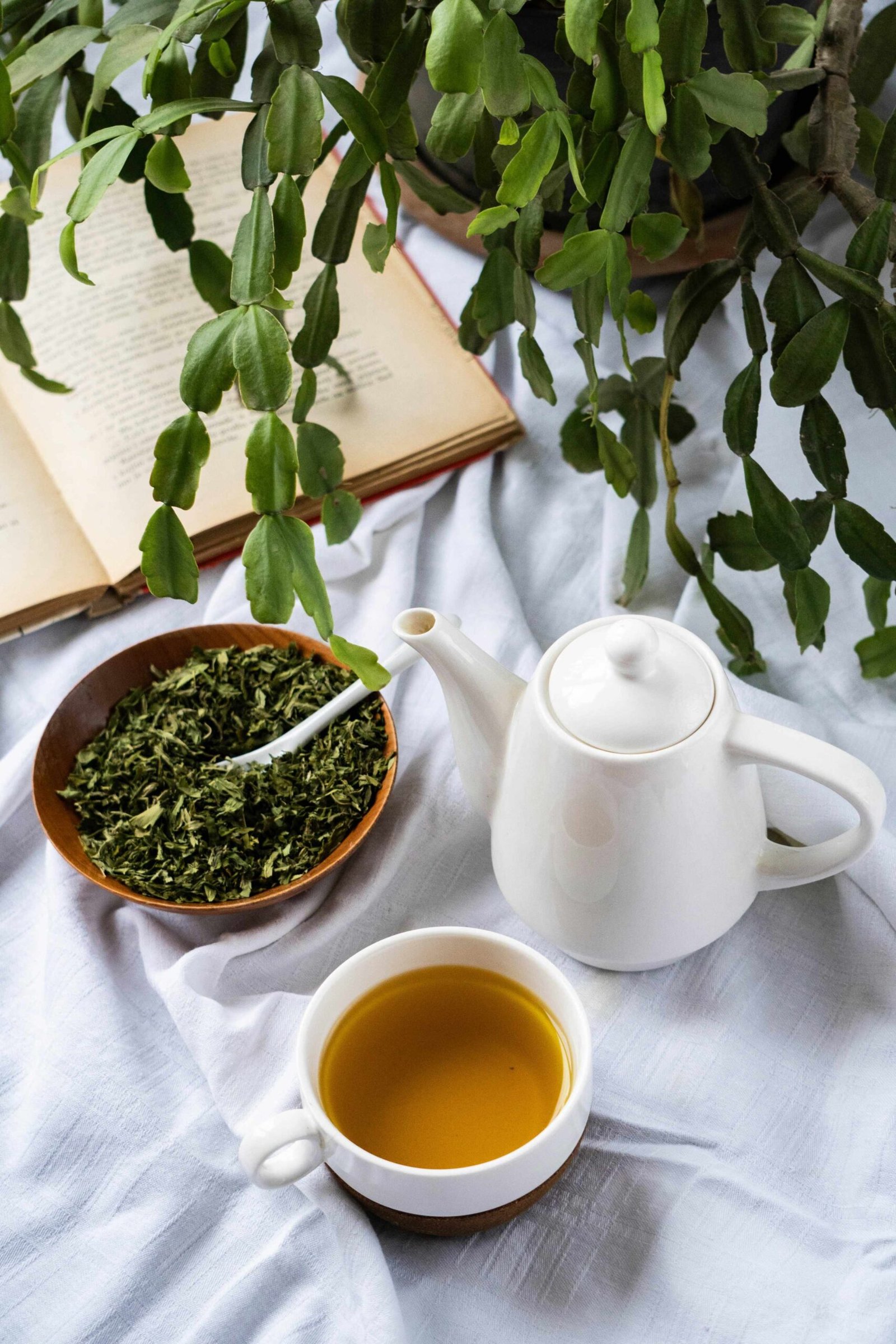
Nettle tea is a simple herbal drink with a fresh, earthy flavor and a long history as both food and medicine. All you need are nettle leaves, hot water, and a few minutes to let it steep. You can use fresh leaves or dried nettle from a trusted source.
Stinging nettle (Urtica dioica) contains plant compounds such as flavonoids, phenolic acids, carotenoids, vitamins, and minerals. Although research has found these bioactive substances in nettle, drinking nettle tea does not mean it will treat or prevent any diseases.
This guide will show you how to make nettle tea safely, when to pick nettles, how long to steep them, and what research says about their possible benefits.
What Is Nettle Tea?
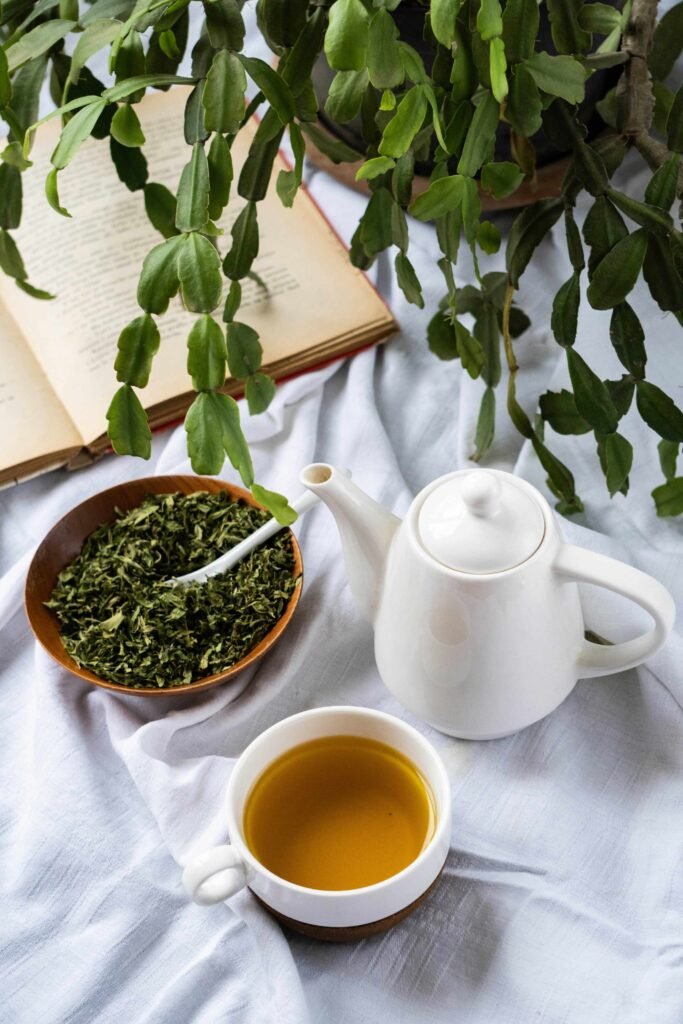
Nettle tea is made by soaking stinging nettle leaves in hot water. Unlike green or black tea, it does not come from the Camellia sinensis plant. Herbal teas use many different plants, as the National Center for Complementary and Integrative Health explains.
Fresh nettles have tiny hairs on their stems and leaves that can irritate your skin if you touch them. For this reason, it is important to handle and prepare them carefully when making nettle tea from fresh plants.
The finished tea has a mild, grassy, and earthy flavor. You can drink it plain or add lemon, ginger, mint, or a little honey.
When and Where Do Stinging Nettles Grow?
Stinging nettles are common in temperate regions and often grow in gardens, fields, woodland edges, and other spots with moist, rich soil. People usually pick the young leaves for cooking.
If you want to make nettle tea from wild plants, it is important to identify them correctly. Never eat or drink any wild plant unless you are certain of what it is.
Do not pick nettles near busy roads or in places that might have pesticides or animal waste. Also, make sure you are allowed to forage in the area.
How to Harvest Fresh Nettles Safely
Wear thick gloves and long sleeves when picking nettles. The tiny hairs on the leaves and stems may irritate your skin.
Pick healthy, young leaves from the top of the plant. Avoid any that look yellow, diseased, or dirty. Put them straight into a container to limit handling.
When you get home, keep your gloves on and rinse the leaves well under running water. Handling them safely is key when making nettle tea from fresh leaves.
How Many Nettle Leaves Do You Need for Tea?
You don’t need a lot of nettles to make tea at home. For fresh tea, start with about one loosely packed cup of clean leaves for every two cups of water.
For dried nettle, use one to two teaspoons of dried leaves per 8-ounce cup of water. Adjust the amount next time if you want your tea stronger or weaker.
Keep in mind that herbal products can vary a lot, so these amounts are just a good place to start for making tea, not for medical use.
How to Make Nettle Tea With Fresh Leaves
After you’ve cleaned and identified your nettles, making the tea is simple.
Ingredients
- 1 loosely packed cup fresh nettle leaves
- 2 cups water
- Lemon, optional
- Honey, optional
Step 1: Wash Your Nettle Leaves
Put on gloves and rinse the leaves well under cool running water. Take off any dirt, bugs, damaged leaves, or extra stems.
Step 2: Boil the Water
Boil two cups of fresh water in a clean pot or kettle.
Step 3: Add the Nettles
Put the cleaned leaves in a heat-safe teapot or pan, then pour the hot water over them.
Step 4: Let the Tea Steep
Let the tea steep for about 5 to 10 minutes. Steeping longer will make the flavor stronger and earthier.
Step 5: Strain and Enjoy
Strain out the leaves before drinking and let the tea cool until it’s comfortable to drink.
Enjoy your nettle tea plain, or add lemon, ginger, or a little honey if you like. That’s all there is to making nettle tea with fresh leaves at home.
How to Make Nettle Tea With Dried Leaves
If you can’t find fresh nettles, dried leaves are a handy alternative. They also save you from having to pick and handle the stinging plant.
Here’s how to make nettle tea using dried leaves:
- Add 1–2 teaspoons of dried nettle leaves to a mug or tea infuser.
- Bring approximately 8 ounces of water to a boil.
- Pour the hot water over the dried leaves.
- Cover and steep for approximately 5–10 minutes.
- Strain the tea thoroughly.
- Add lemon or honey if desired.
Dried nettle stores well, so you can enjoy nettle tea any time of year.
What Does Nettle Tea Taste Like?
Nettle tea has an earthy, green, and slightly grassy taste. If you like herbal flavors, you might enjoy it plain.
If the taste is too strong, try mixing nettle with peppermint or ginger. Lemon can make it brighter, and honey adds sweetness.
Experimenting with these additions makes learning how to make nettle tea more enjoyable, especially if you are new to herbal infusions.
Potential Benefits of Nettle Tea
Researchers have identified flavonoids, phenolic acids, carotenoids, amino acids, vitamins, minerals, and other bioactive substances in stinging nettle. One scientific review reported that dried nettle leaf powder contained 33.8% crude protein and 9.1% crude fiber, although those figures describe dried leaf powder rather than brewed tea.
Provides Polyphenols and Antioxidant Compounds
Nettle leaves contain phenolic and polyphenolic compounds. Laboratory research has associated several nettle compounds with antioxidant and anti-inflammatory activity.
However, the concentration you receive from drinking tea can differ substantially from the extracts and powders used in research.
May Support Urinary Health
Nettle has a history of traditional use for urinary concerns. NCCIH notes that limited evidence suggests Urtica dioica preparations may improve some lower urinary tract symptoms associated with benign prostatic hyperplasia.
That evidence should not be interpreted to mean homemade nettle tea treats urinary disorders. See a healthcare professional if you have persistent urinary symptoms.
Potential Anti-Inflammatory Activity
Research reviews have investigated nettle’s anti-inflammatory properties and bioactive compounds. However, human research specifically examining ordinary nettle tea remains limited.
Therefore, enjoy nettle primarily as an herbal drink rather than using it to replace treatment for arthritis, chronic pain, or other inflammatory conditions.
Fresh vs. Dried Nettle Tea
Both options work when deciding how to make nettle tea, but they offer slightly different experiences.
| Feature | Fresh Nettle | Dried Nettle |
| Availability | Seasonal | Year-round |
| Handling | Requires gloves | Easy |
| Storage | Short | Longer |
| Flavor | Fresh, vegetal | Earthy |
| Convenience | Moderate | High |
Fresh leaves work well if you have safe access to correctly identified nettles. Dried leaves are the simpler choice when convenience matters.
Nettle Tea Safety and Precautions
Knowing how to make nettle tea also means knowing when to be cautious. Natural does not automatically mean safe, and NCCIH advises that herbal products can present safety concerns and potentially interact with medicines.
Research literature on nettle has reported possible gastric discomfort and hypersensitivity reactions. Nettle preparations may also influence urine output, which can be relevant to people with certain health conditions.
If you take prescription medicines, especially for blood pressure, blood sugar, or fluid balance, talk to your doctor before using nettle products regularly. Pregnant or breastfeeding people should also get medical advice, since there isn’t much safety data for many herbal products.
Frequently Asked Questions
Can you make nettle tea from fresh nettles?
Yes. Once you know how to make nettle tea safely, fresh leaves can produce a pleasant herbal infusion. Correctly identify the plant, wear gloves, wash the leaves thoroughly, and steep them in hot water.
How long should nettle tea steep?
Five to 10 minutes is a practical starting point. You can adjust the steeping time depending on your preferred flavor strength.
Can you make nettle tea from dried nettles?
Yes. Add approximately one to two teaspoons of dried nettle to a cup, pour hot water over the leaves, steep, and strain.
Can I drink nettle tea every day?
There is no single amount that is appropriate for everyone. Occasional culinary use differs from taking concentrated nettle preparations for health purposes. Ask a healthcare professional about regular use if you have a medical condition or take medication.
Does nettle tea contain caffeine?
Pure nettle tea is naturally caffeine-free because it is an herbal infusion rather than tea made from Camellia sinensis.
Final Thoughts
Learning how to make nettle tea gives you an easy way to turn fresh or dried nettle leaves into a warming herbal drink. Fresh nettles require careful identification and handling, while dried leaves provide a simple option you can keep in the cupboard throughout the year.
Although nettle contains polyphenols, vitamins, minerals, and other interesting plant compounds, evidence does not support treating homemade nettle tea as a cure for medical conditions. Focus on safe preparation, sensible consumption, and professional advice when medications or health conditions are involved.
Recommended YouTube Resource
Here’s a helpful video:
References
- National Center for Complementary and Integrative Health (NCCIH) — Tea:
https://www.nccih.nih.gov/health/tea - NCCIH — Safe Use of Complementary Health Products and Practices:
https://www.nccih.nih.gov/health/safety - National Library of Medicine/PubMed Central — Stinging Nettle (Urtica dioica L.): Nutritional Composition, Bioactive Compounds, and Food Functional Properties:
https://pmc.ncbi.nlm.nih.gov/articles/PMC9413031/ - National Library of Medicine/PubMed Central — Chemical Constituents of Stinging Nettle: A Comprehensive Review on Phenolic and Polyphenolic Compounds and Their Bioactivity:
https://pmc.ncbi.nlm.nih.gov/articles/PMC10970493/ - National Library of Medicine/PubMed Central — Urtica dioica-Derived Phytochemicals for Pharmacological and Therapeutic Applications:
https://pmc.ncbi.nlm.nih.gov/articles/PMC8894011/ - NCCIH — Benign Prostatic Hyperplasia and Complementary and Integrative Approaches:
https://www.nccih.nih.gov/health/providers/digest/benign-prostatic-hyperplasia-and-complementary-integrative-approaches-science