
Now Reading: 10 Best Hair Care Natural Ingredients for Healthy Hair
-
01
10 Best Hair Care Natural Ingredients for Healthy Hair
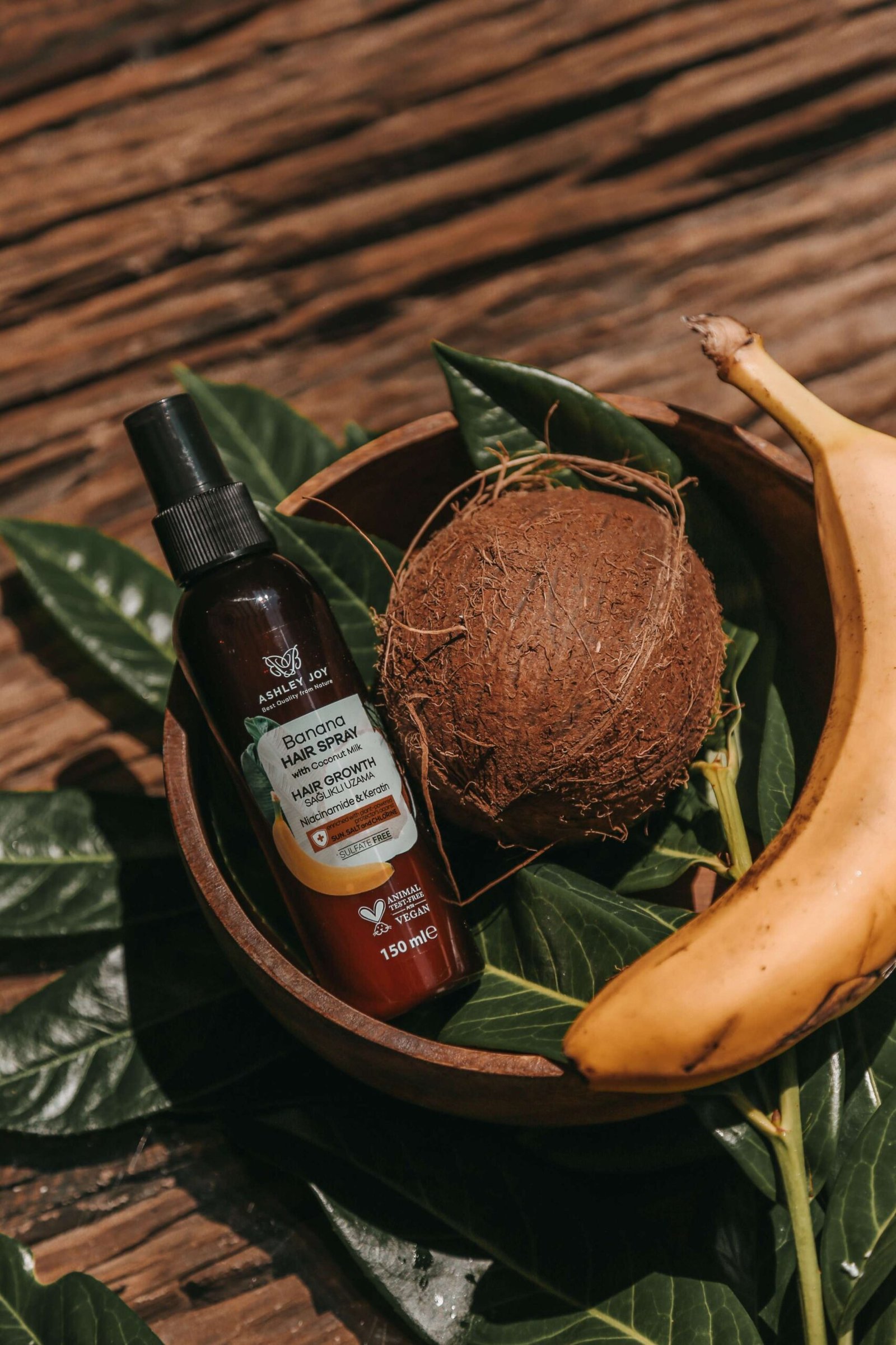
You don’t need a lot of complicated products to keep your hair healthy. Simple things like plant oils, butters, and other familiar ingredients can help keep hair soft, manageable, and protected from daily damage. That’s why natural ingredients are now a popular choice in many hair care routines.
But just because something is natural doesn’t mean it’s always better or completely safe. Different ingredients work for different hair types, and the evidence for each one can vary. It’s best to learn what each ingredient can actually do and pick the ones that fit your hair’s needs.
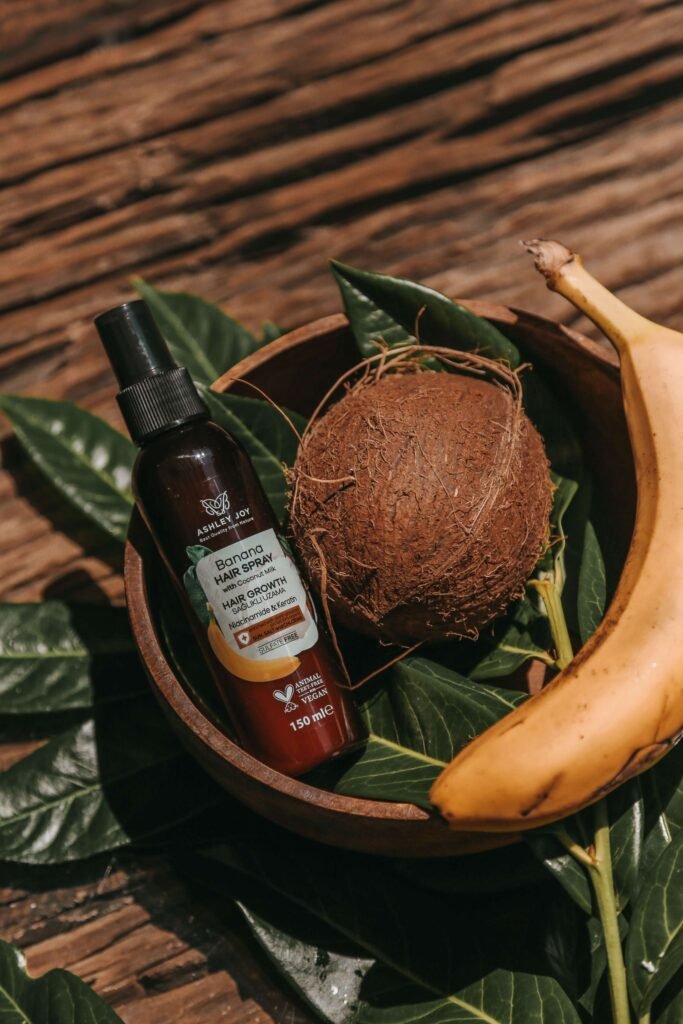
Why Choose Natural Ingredients for Hair Care?
Most natural hair care ingredients help by conditioning your hair, reducing dryness, improving smoothness, or helping your hair hold onto moisture. Some natural oils are especially helpful because they can get into or coat the hair shaft, which protects against damage from washing and styling. One scientific review found that certain oils can make hair smoother and help prevent breakage. (PubMed Central (PMC))
Natural ingredients are just one part of keeping your hair healthy. The American Academy of Dermatology suggests picking products that match your hair type, washing your hair based on how oily or dirty it gets, and always using conditioner after you wash. (American Academy of Dermatology)
10 Hair Care Natural Ingredients Worth Knowing
There are lots of options to try, from coconut oil to aloe vera. Here are 10 natural hair care ingredients and what we know about how they might help.
1. Coconut Oil for Dry and Damaged Hair
Coconut oil is one of the most researched natural oils for hair. Because it’s high in lauric acid, it can soak into the hair shaft instead of just sitting on top.
One study compared coconut, sunflower, and mineral oils, and found that only coconut oil noticeably reduced protein loss in both damaged and healthy hair when used as a grooming treatment. (PubMed) This means coconut oil is one of the best-supported natural ingredients for protecting dry or damaged hair.
You can try using a small amount on the lengths and ends of your hair before shampooing. If your hair is fine or gets oily quickly, use just a tiny bit.
2. Rosemary Oil for Hair and Scalp Care
Rosemary oil has become popular as a natural choice for people interested in hair growth. There is some clinical evidence for its benefits, but research is still limited.
One randomized trial involving 100 people with androgenetic alopecia compared rosemary oil with 2% minoxidil. Neither group showed a significant hair-count increase after three months, but both showed significant increases from baseline after six months. (PubMed)
This doesn’t mean rosemary oil can treat all types of hair loss. If you want to try it, use a product that’s made for hair or make sure to dilute the essential oil before putting it on your scalp. The National Center for Complementary and Integrative Health says essential oils are usually used in diluted form on the skin. (NCCIH)
3. Aloe Vera for Scalp and Hair Moisture
Aloe vera has been used in skin and hair products for a long time. Its light texture is great for people who don’t like the heavy feel of oils and butters.
You can find aloe in shampoos, conditioners, leave-in products, and scalp treatments. Among natural hair care ingredients, aloe may be a practical option when you want moisture without adding too much oil. However, claims that aloe alone dramatically increases hair growth are not supported by strong clinical evidence.
4. Jojoba Oil for Moisture
Jojoba oil is commonly included in conditioners, scalp oils, and leave-in treatments. It can help coat dry hair, making the strands feel smoother and easier to manage.
A few drops may be enough for the ends of the hair. People with thick, curly, or very dry hair may tolerate more, while those with fine hair should use it sparingly. As with other hair care natural ingredients, more does not necessarily mean better.
5. Honey as a Natural Humectant
Honey acts as a humectant, meaning it can attract and hold moisture. This explains why it appears in many moisturizing shampoos, conditioners, masks, and treatments.
Instead of spreading sticky, undiluted honey directly through your hair, look for a well-formulated hair product containing honey. It is an easier way to incorporate honey alongside other natural hair care ingredients while keeping your routine practical.
6. Shea Butter for Very Dry Hair
Shea butter has a rich texture that can coat the hair and help reduce moisture loss. This can make it particularly appealing for dry, curly, coily, or highly textured hair.
However, shea butter can feel heavy on straight or fine hair. Start with a tiny amount on the driest areas. The goal of using natural hair care ingredients should be improving manageability, not leaving the hair weighed down or greasy.
7. Avocado Oil for Softness and Shine
Avocado oil works well as an emollient and is frequently included in conditioners and hair masks. A light coating can make dry or rough strands feel smoother while adding shine.
You can apply a small amount to dry ends or choose a conditioner containing avocado oil. Remember that oils mainly help condition and protect the hair shaft; they should not automatically be treated as remedies for medical hair loss.
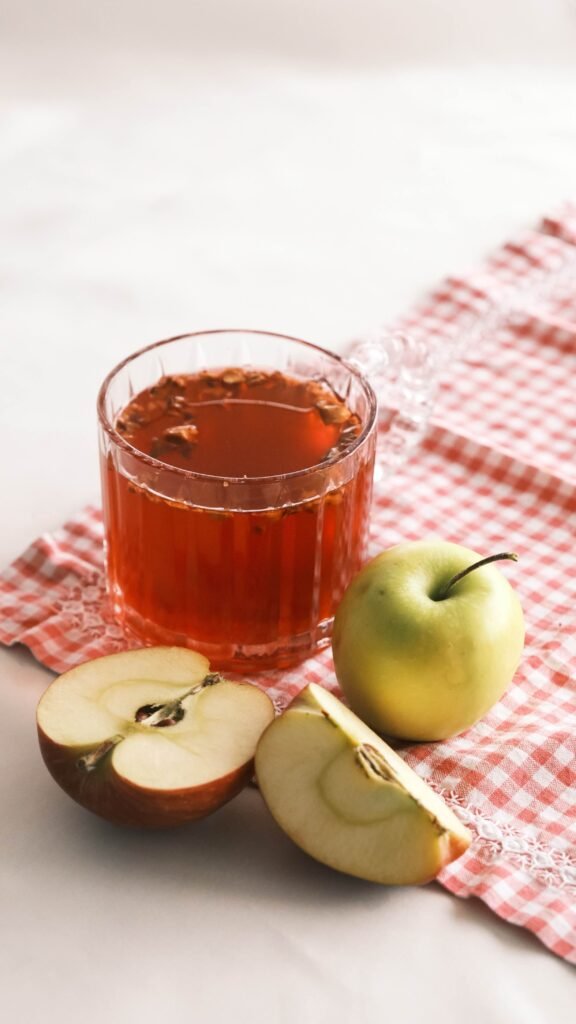
8. Apple Cider Vinegar for Buildup
Apple cider vinegar is commonly promoted as a natural hair rinse. People often use heavily diluted solutions after shampooing when they want to remove buildup and leave their hair feeling clean.
However, vinegar is acidic, and concentrated or frequent application may irritate the scalp. If you want to experiment with apple cider vinegar among your hair care natural ingredients, use a properly formulated product or a well-diluted rinse and stop if your scalp becomes irritated.
9. Yogurt for DIY Hair Masks
Plain yogurt has a creamy texture that makes it easy to use as the base of a homemade conditioning mask. Some people mix it with ingredients such as honey or a small amount of oil.
Yogurt can make a DIY routine feel nourishing, but evidence that topical yogurt stimulates hair growth is limited. It is better viewed as an occasional conditioning ingredient rather than a hair-loss treatment.
10. Neem for Scalp Care
Neem has a long history of traditional use and appears in shampoos, scalp treatments, and herbal hair products. It is often marketed toward people dealing with oily or uncomfortable scalps.
Evidence for many specific neem hair claims remains limited, however. If neem interests you, a professionally formulated shampoo is a more convenient option than making concentrated homemade mixtures. This is another example of why hair care natural ingredients should be judged by evidence and formulation rather than the word “natural” alone.
Best Natural Ingredients for Different Hair Needs
The right hair care natural ingredients depend heavily on your hair type. Dry or coarse hair may respond well to coconut oil, avocado oil, honey-containing products, and shea butter. Fine hair may feel better with lighter ingredients such as aloe vera or very small amounts of oil.
Curly and coily hair often needs more conditioning because maintaining moisture can be challenging. The AAD recommends applying conditioner throughout the length of dry or curly hair, whereas people with fine or straight hair may prefer conditioner mainly on the ends. (American Academy of Dermatology)
Scalp needs matter as well. If your scalp stays itchy, painful, inflamed, or excessively flaky despite changing your routine, do not keep experimenting with more ingredients. Consider seeing a dermatologist.
How to Use Hair Care Natural Ingredients Safely
Introduce hair care natural ingredients one at a time so you can tell how your hair and scalp respond. Patch-testing unfamiliar topical products can also help identify irritation before you use them extensively.
Be particularly careful with essential oils. Natural essential oils are highly concentrated, and topical exposure can cause irritation or allergic reactions in some people. (NCCIH) Use appropriately diluted or professionally formulated products rather than assuming pure essential oil is stronger and therefore better.
Sudden or persistent hair loss also deserves professional attention. The American Academy of Dermatology recommends seeing a board-certified dermatologist for hair loss, since there are many possible causes and identifying the cause can improve the chances of effective treatment. (American Academy of Dermatology)
DIY Ingredients vs. Natural Hair Care Products
DIY treatments can be simple and inexpensive, but they are not automatically superior to commercial products. Formulated shampoos, conditioners, and masks combine ingredients at controlled concentrations and are generally easier to apply and store.
When shopping for hair care with natural ingredients, read the full ingredient list instead of relying only on words such as “natural,” “herbal,” or “clean.” More importantly, choose products suited to your hair type and scalp needs.

Frequently Asked Questions
What are the best natural ingredients for healthy hair?
Coconut oil, aloe vera, jojoba oil, shea butter, honey, avocado oil, and rosemary are popular choices. Coconut oil has particularly useful evidence for reducing hair protein loss, while a small clinical trial has also investigated rosemary oil for androgenetic hair loss. (PubMed)
Which natural ingredient is best for dry hair?
Coconut oil is a good starting point because it can penetrate the hair shaft and has evidence for reducing protein loss. Shea butter, avocado oil, and jojoba oil may also help dry hair feel softer and more manageable.
Can natural ingredients help hair grow?
Some natural hair care ingredients, particularly rosemary oil, have limited promising research. However, hair loss can result from genetics, illness, nutritional deficiencies, hormonal changes, medications, and other causes. Natural remedies should not replace diagnosis and appropriate treatment.
Can I use natural ingredients every day?
It depends on your hair type and the ingredient. Heavy oils and butters can cause buildup when overused, while essential oils may irritate sensitive skin. Adjust frequency according to how your hair responds.
Helpful Video: Healthy Hair Care Tips
Here’s a helpful video:
Final Thoughts
There is no single miracle ingredient that gives everyone perfect hair. The best hair care natural ingredients are those that solve a specific problem without making your routine unnecessarily complicated. Coconut oil may suit damaged hair, lighter ingredients may work better for fine hair, and richer butters may benefit dry or textured strands.
Start simply and watch how your hair responds. Most importantly, combine hair care natural ingredients with basic healthy habits such as appropriate shampooing, regular conditioning, gentle detangling, and limiting excessive heat. These everyday choices can matter just as much as the ingredients you put on your hair. (American Academy of Dermatology)
References
- American Academy of Dermatology – Tips for Healthy Hair. Guidance on shampooing, conditioning, detangling and choosing products for different hair types. (American Academy of Dermatology)
Read the AAD healthy hair guide - Rele AS, Mohile RB. Effect of mineral oil, sunflower oil, and coconut oil on prevention of hair damage. Journal of Cosmetic Science. 2003. The study found coconut oil reduced protein loss in damaged and undamaged hair. (PubMed)
View the study on PubMed - Panahi Y, et al. Rosemary oil vs minoxidil 2% for the treatment of androgenetic alopecia. Skinmed. 2015. Randomized comparative trial involving 100 participants. (PubMed)
View the rosemary oil study on PubMed - National Center for Complementary and Integrative Health – Aromatherapy. Information about essential-oil use, evidence, and safety. (NCCIH)
Read the NCCIH aromatherapy guide - American Academy of Dermatology – Hair Loss: Tips for Managing. Dermatologist guidance for managing fragile hair and seeking appropriate help for hair loss. (American Academy of Dermatology)
Read the AAD hair-loss guidance