

Now Reading: Benefits of Sheep Milk Yogurt: Nutrition, Digestion, and More
-
01
Benefits of Sheep Milk Yogurt: Nutrition, Digestion, and More

If you like yogurt but are looking for something richer and creamier, sheep milk yogurt is worth trying. It stands out for its strong nutritional profile, offering protein, calcium, phosphorus, vitamin B12, healthy fats, and possibly helpful live cultures. Sheep milk yogurt is also naturally thicker than most regular yogurts.
Sheep dairy has been enjoyed in Mediterranean and Middle Eastern diets for centuries. Today, sheep yogurt attracts families who want nutrient-rich foods or alternatives to cow or goat dairy. While sheep milk yogurt has many benefits, it still contains lactose, calories, saturated fat, and milk proteins. Knowing the pros and cons can help you decide if it fits your diet.

What Is Sheep Milk Yogurt?
Sheep milk yogurt is made by fermenting sheep’s milk with bacterial cultures. As it ferments, bacteria turn some of the lactose into lactic acid, which gives yogurt its tangy taste.
Sheep’s milk has more milk solids than cow’s milk, so it makes a thick and creamy yogurt without needing a lot of straining.
The benefits of sheep milk yogurt can vary depending on how it’s made. Yogurt with live cultures may offer probiotic benefits, but heat-treated versions might not have as many live microorganisms.
Sheep yogurt still has lactose and dairy proteins, so it isn’t always suitable for people with lactose intolerance or milk allergies.
Sheep Milk Yogurt Nutrition Facts
Sheep dairy stands out because it’s packed with nutrients. Studies show that sheep’s milk usually has more protein, fat, calcium, phosphorus, and other micronutrients than cow’s or goat’s milk.
Protein
A major benefit of sheep milk yogurt is its protein content. Sheep’s milk offers complete protein, which means it has all the essential amino acids your body needs but can’t make on its own.
Protein helps keep muscles strong, repairs tissues, and helps you feel full after eating. That’s why sheep yogurt can be a good breakfast or snack for active adults and older family members.
Calcium and Phosphorus
Sheep yogurt gives you calcium and phosphorus, two minerals that are important for healthy bones and teeth.
According to the NIH Office of Dietary Supplements, most adults need about 1,000 mg of calcium per day, while some older adults need 1,200 mg. A calcium-rich food like yogurt can contribute to this target.
Vitamin B12
Sheep milk yogurt is also a good source of vitamin B12. This vitamin helps your body make red blood cells, produce DNA, and keep your nervous system working well.
The NIH Office of Dietary Supplements recommends 2.4 micrograms of vitamin B12 daily for most adults.
Fat and Calories
Sheep yogurt usually has more fat and calories than most cow milk yogurts. This gives it a rich texture and makes it more energy-dense.
It also has short- and medium-chain fatty acids, but that doesn’t mean eating sheep yogurt will lead to weight loss.
Top Benefits of Sheep Milk Yogurt
1. Provides High-Quality Protein
One of the best things about sheep milk yogurt is its higher protein content.
Protein helps keep muscles strong as you get older. It also makes meals more filling and can help control hunger between meals.
Try pairing sheep yogurt with berries, seeds, or oats for a balanced breakfast with protein, carbs, fiber, and healthy fats.
2. Supports Gut Health
Fermented yogurt can have helpful live bacteria. These may support a healthy gut and normal digestion.
The International Scientific Association for Probiotics and Prebiotics defines probiotics as live microorganisms that provide a health benefit when consumed in adequate amounts.
Not all sheep yogurt is considered probiotic. For the most benefits, choose products that say they have live and active cultures on the label.
3. May Be Easier to Digest for Some People
Some people find that sheep dairy is gentler on their digestion than cow dairy.
Fermentation breaks down some of the lactose before you eat the yogurt. Sheep’s milk also has a different mix of fat and protein than cow’s milk.
These differences may explain why some people tolerate sheep yogurt better. However, sheep milk yogurt is not lactose-free. People with strong lactose intolerance may still get bloating, cramps, gas, or diarrhea.
4. Supports Healthy Bones and Teeth
Calcium does more than just build strong bones. Your muscles, nerves, and blood vessels also need it to work properly.
Sheep yogurt gives you calcium, phosphorus, and protein together, which is great for bone health.
But bone health takes more than just dairy. Regular exercise, enough vitamin D, a balanced diet, and not smoking are also important.
5. Provides Valuable Vitamin B12
Vitamin B12 naturally occurs in animal foods, including dairy products.
Adding sheep yogurt to your diet can help you get enough B12, especially if you don’t eat much other animal food.
However, people who eat a fully vegan diet need to get B12 from fortified foods or supplements instead.
6. Contains Short- and Medium-Chain Fatty Acids
Sheep’s milk contains relatively high levels of short- and medium-chain fatty acids compared with some other dairy milks.
Your body handles these fats differently than long-chain fatty acids. They also add to the rich taste and nutrition of sheep milk yogurt.
Sheep dairy can also have conjugated linoleic acid (CLA), and the amount depends on what the sheep eat. However, there isn’t enough evidence to say CLA prevents cancer or guarantees fat loss.
7. Can Help You Feel Full
Protein and fat slow down digestion and help you feel satisfied. Because sheep yogurt has both, a small serving may keep you full longer than a snack with less protein.
This may be one practical benefit of sheep milk yogurt for people trying to build balanced meals.
Since sheep yogurt is high in calories, it’s important to watch your portion size, especially if you’re keeping an eye on your energy intake.
8. Offers Nutrient-Dense Nutrition for Families
Sheep yogurt packs several key nutrients into one easy food.
With protein, calcium, phosphorus, vitamin B12, fat, and carbs, sheep yogurt is both energy- and nutrient-dense. Most children over one year old can have pasteurized yogurt as part of a balanced diet, unless they have a dairy allergy or their doctor says otherwise.
Sheep Milk Yogurt vs. Goat and Cow Milk Yogurt
All three types of yogurt can be part of a healthy diet.
| Feature | Sheep Milk Yogurt | Goat Milk Yogurt | Cow Milk Yogurt |
| Protein | Usually higher | Moderate | Moderate |
| Fat | Usually higher | Moderate | Varies |
| Calcium | High | High | High |
| Lactose | Present | Present | Present |
| Texture | Thick and creamy | Creamy | Varies |
| Live cultures | Depends on product | Depends on product | Depends on product |
| Calories | Usually higher | Moderate | Varies |
Sheep milk yogurt is a great choice if you want more nutrients, richness, and protein. Cow yogurt is often cheaper and easier to find, while goat yogurt has its own taste and nutrition profile.
Is Sheep Milk Yogurt Easier to Digest?
Fermentation sets yogurt apart from fresh milk. The bacteria eat some of the lactose during this process, which may help some people tolerate it better.
However, sheep yogurt still contains lactose. The National Institute of Diabetes and Digestive and Kidney Diseases explains that people with lactose intolerance vary considerably in how much lactose they can tolerate.
If you’re not sure how you’ll react, try a small amount first. If you keep having digestive problems, talk to your doctor.
Possible Downsides and Precautions
Sheep milk yogurt isn’t right for everyone, even with its benefits.
People with a true milk allergy should not use sheep milk as a replacement for cow milk without medical advice. Proteins from different mammalian milks can cross-react and trigger allergic reactions.
Sheep yogurt can have more calories and saturated fat than some low-fat cow yogurts. Pick portion sizes that fit your diet.
Flavored sheep yogurt can have a lot of added sugar. Plain sheep yogurt with fresh fruit is usually a better choice.
How to Eat Sheep Milk Yogurt
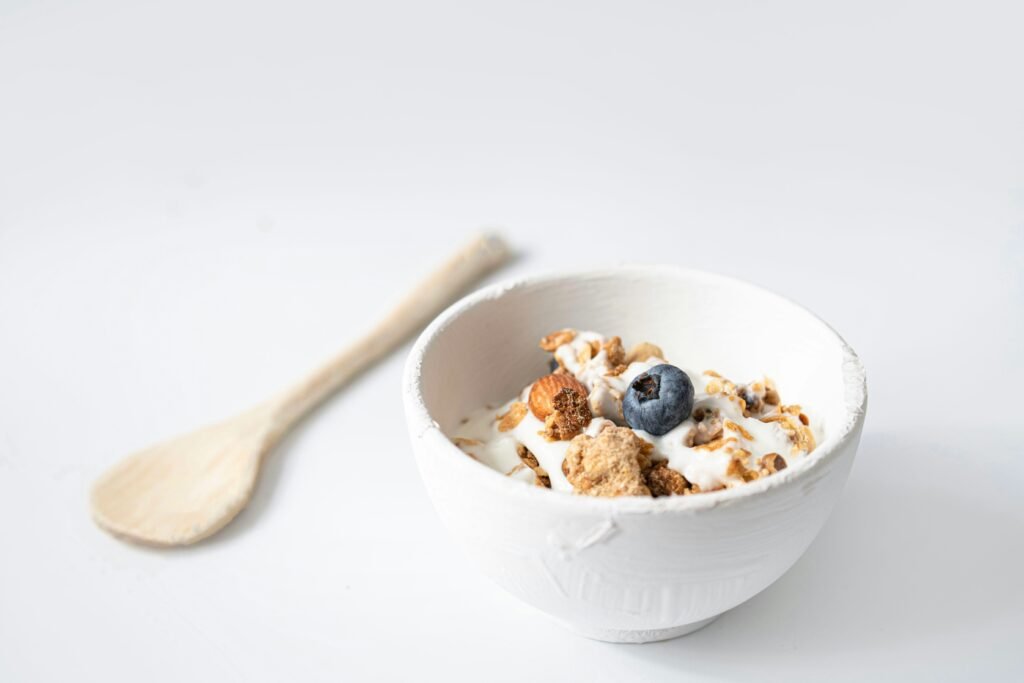
Breakfast is one of the easiest times to enjoy sheep milk yogurt. Add berries, walnuts, chia seeds, and oats to plain yogurt for more fiber and texture.
You can blend sheep yogurt into smoothies, use it in dips and salad dressings, or swap it for sour cream in savory recipes.
For a quick snack, mix sheep yogurt with fruit and a few nuts. Choosing plain yogurt with live cultures keeps sugar low and lets you enjoy its rich flavor.
Frequently Asked Questions
What are the main benefits of sheep milk yogurt?
The primary benefits of sheep milk yogurt include high-quality protein, calcium, phosphorus, vitamin B12, nutrient-dense fats, and potentially beneficial live cultures.
Is sheep milk yogurt healthier than cow milk yogurt?
Neither is universally healthier. Sheep yogurt tends to be more nutrient- and calorie-dense, while nutritional profiles vary by product.
Is sheep yogurt good for gut health?
Products containing adequate live cultures may support digestive health and the gut microbiome.
Can people with lactose intolerance eat sheep milk yogurt?
Some people may tolerate it, but sheep yogurt still contains lactose. Individual tolerance varies considerably.
Is sheep milk yogurt high in protein?
Yes. Sheep dairy generally has a higher protein concentration than cow or goat dairy.
Can children eat sheep milk yogurt?
Pasteurized sheep yogurt can generally be included in the diet of children over one year old unless they have a milk allergy or another medical restriction.
Final Thoughts
Sheep milk yogurt is a rich, fermented food that’s a good alternative to regular dairy yogurt. It provides high-quality protein, calcium, phosphorus, vitamin B12, fats, and possibly helpful live cultures that support a balanced diet.
Because sheep yogurt is rich in nutrients, it also has more calories and fat, so watch your portion size. It still contains lactose and milk proteins. When possible, pick plain, pasteurized yogurt with live cultures and pair it with fiber-rich foods. This way, sheep milk yogurt can be a healthy part of your family’s diet.
Recommended YouTube Resource
Here’s an informative video on sheep milk:
Look for their educational videos covering healthy eating, dairy, nutrition, and the gut microbiome.
References
- NIH Office of Dietary Supplements — Calcium:
https://ods.od.nih.gov/factsheets/Calcium-Consumer/ - NIH Office of Dietary Supplements — Vitamin B12:
https://ods.od.nih.gov/factsheets/VitaminB12-Consumer/ - International Scientific Association for Probiotics and Prebiotics (ISAPP):
https://isappscience.org/ - Harvard T.H. Chan School of Public Health — Dairy:
https://nutritionsource.hsph.harvard.edu/dairy/ - National Institute of Diabetes and Digestive and Kidney Diseases — Lactose Intolerance:
https://www.niddk.nih.gov/health-information/digestive-diseases/lactose-intolerance - USDA FoodData Central:
https://fdc.nal.usda.gov/ - PubMed — Sheep Milk Research:
https://pubmed.ncbi.nlm.nih.gov/?term=sheep+milk+nutrition